Nature
 PUBLISHED




What you’ll discover in this article
- A humpback whale mother mourning her calf at least had the apparent support of another whale that stayed with her.
- It was part of a widespread bout of calf deaths in the area last year.
- Dr Olaf Meynecke told IFLScience, “There has definitely been an assumption that they are not as attached to their calves, and don’t have as strong a bond as toothed whales,” but this confidence may be shaken.
A humpback whale mother showed signs of grief after giving birth to a stillborn calf off the coast of Queensland in 2025. She was not alone in her sorrow; not only did another whale stay with her, apparently in support, but at least seven other humpback calves were stillborn or died very young off one stretch of coast in the same fortnight.
The extent to which animals feel human-like emotions remains debated, but we have seen behavior consistent with inconsolable grief among many mammals, including dolphins and toothed whales such as orcas.
Two explanations have been offered for the absence of accounts of similar behavior among baleen whales: that the mother-calf bond is not as strong, and that various factors make it harder to observe such events.
There has definitely been an assumption that they are not as attached to their calves.
Dr Olaf Meynecke
The question of which is right has probably been answered, after Andrew Mulville, who captains a rescue boat for the Sea World Foundation, witnessed a humpback mother spending hours with a stillborn calf.
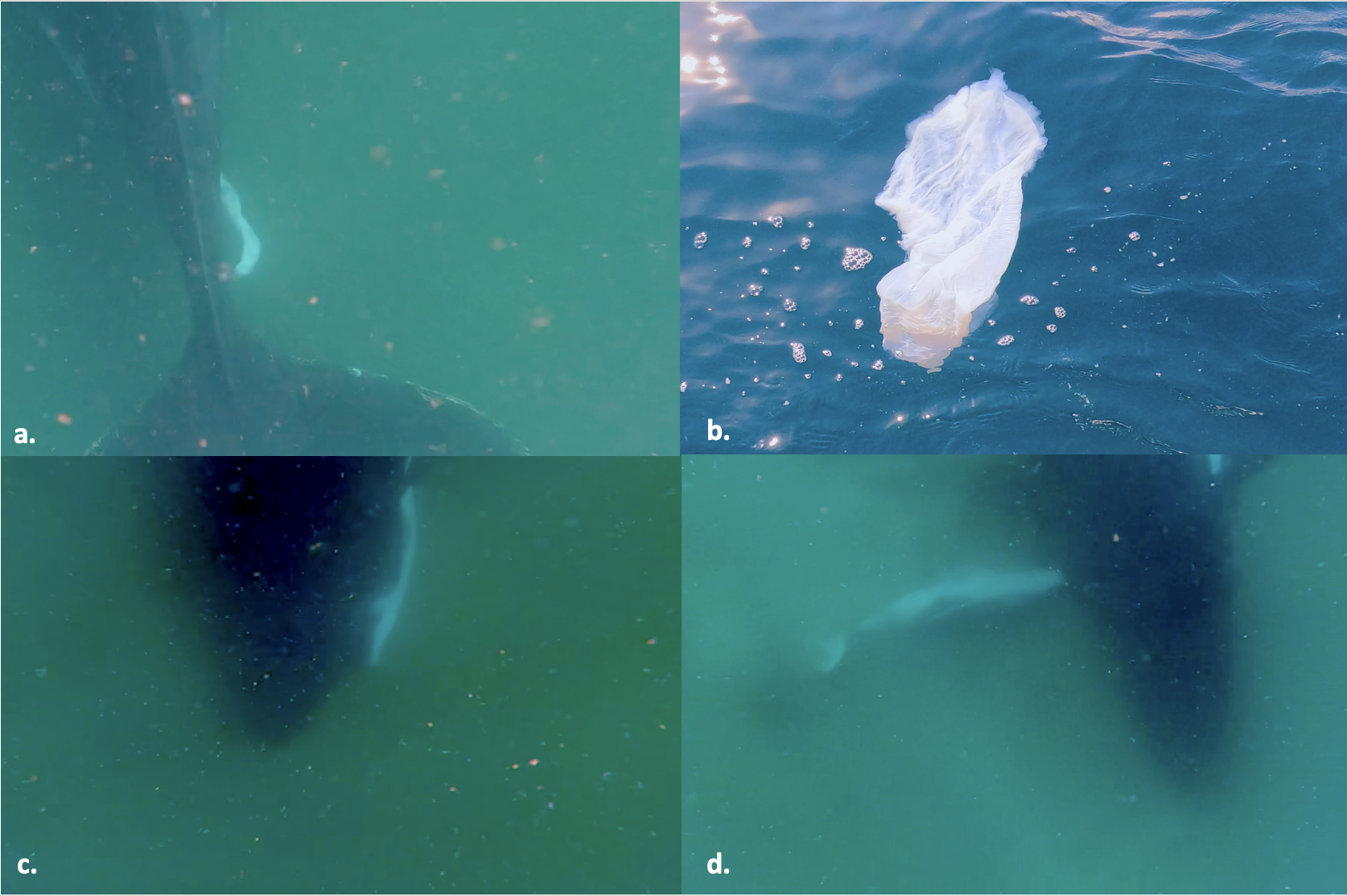
“At first sight, I thought it was just two whales resting on the surface, but their behaviour was unusual,” Mulville said in a statement.
Once Mulville realized he was witnessing a stillbirth, and the response of the mother and an accompanying whale, he tracked the behavior closely.
"Unlike reports of toothed whales where mothers have been observed lifting their dead calves to the surface, this humpback whale mother showed prolonged post-mortem behaviour and attention towards her deceased calf under the surface,” said Dr Olaf Meynecke of Griffith University, who co-authored a paper with Mulville about the observations.
“She remained close to the calf, maintaining eye contact and positioning herself next to her calf over several hours and maybe even days.”
“These observed behaviours were consistent with care-giving or nurturing actions and post-mortem attentive responses documented in socially complex mammals, and indicated an inherent, strong maternal attachment to the calf,” Meynecke added.
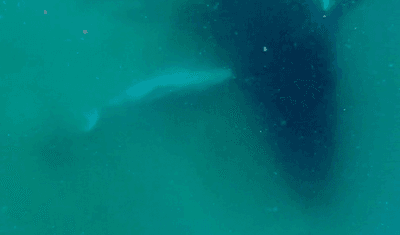
Meynecke explained to IFLScience that toothed whales are born with a lot of blubber. In addition to allowing the mothers to give birth in quite cold waters, this means the calves float from birth.
Baleen whales, however, have grown bigger – even from birth – to undertake their epic migrations. Consequently: “They can’t be born with sufficient blubber [to float], as they would just be too big,” Meynecke told IFLScience.
The mothers therefore need to support the calves to take their first breaths, and usually for quite a while afterwards. This, combined with their lower numbers, means that we have had a poorer view of baleen whales’ birthing process.
The whales get pregnant after a year with plenty of food, but their gestation lasts so long they can’t know what it will be like the next year.
Dr Olaf Meynecke
Meynecke told IFLScience, “Only about 20 births have been seen,” so it is plausible that the mothers always mourn a lost child like this, but we have not had a chance to witness it.
On the other hand, Meynecke added, “There has definitely been an assumption that they are not as attached to their calves, and don’t have as strong a bond as toothed whales, which spend their lives in family groups.”
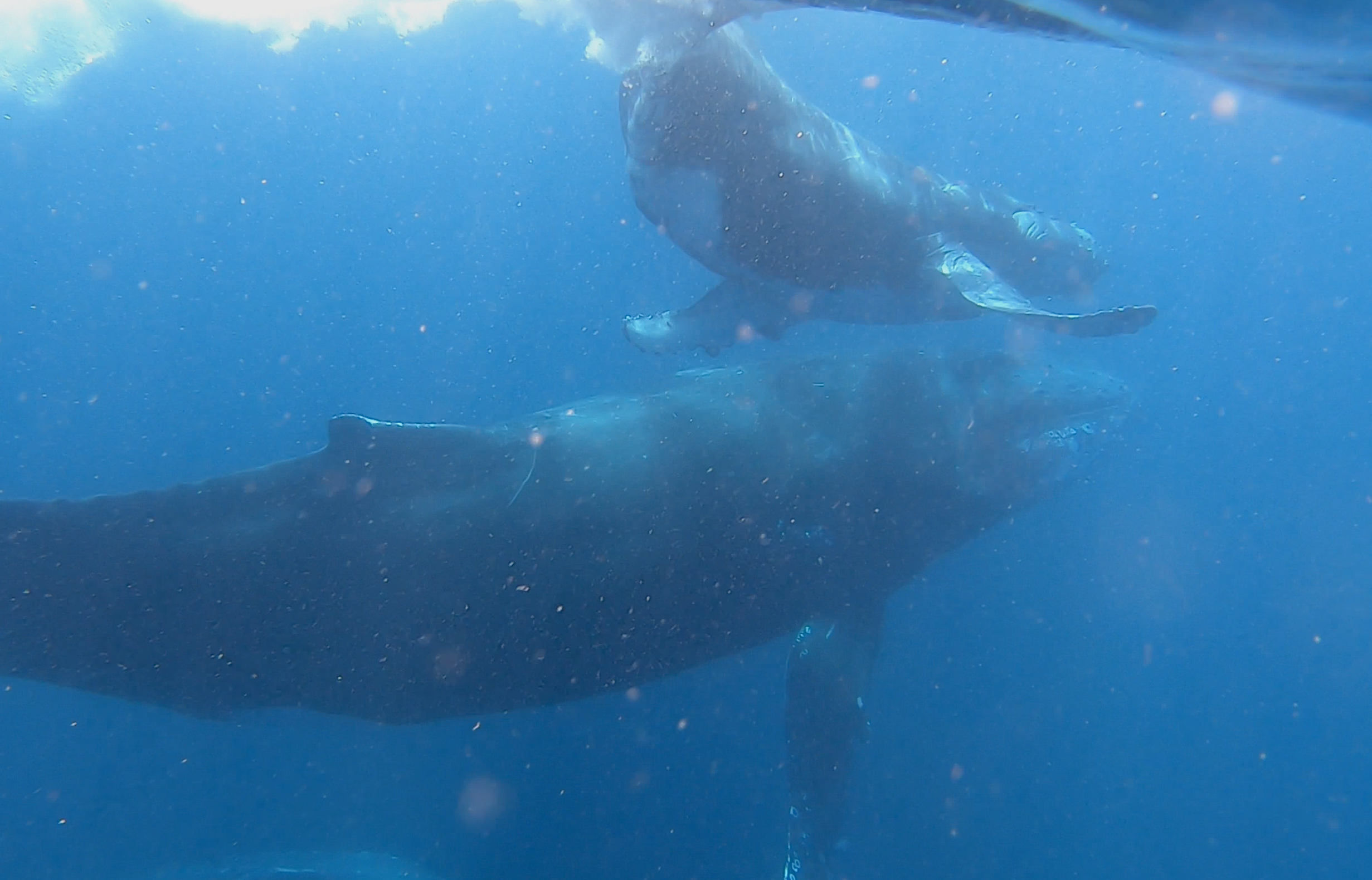
As far as we know, baleen whales don’t maintain lifelong family networks, but it may be unsafe to assume that this means they don’t care for each other. Just this year a case was reported of humpbacks appearing to offer comfort to a dying member of their species.
The fact that the mother Mulville saw had a companion throughout the process, who stayed with her in the area for days after the birth, adds to evidence that humpbacks are more social than has been recognized. Indeed, it appears to be the norm for another humpback to be present during a birth, whether as a guard against predators or as a doula providing emotional support, we don’t know.
The escort in this case has not been recognized, but based on size, Meynecke thinks that, like the mother, it was probably a young female.
The emotional support part of the role may have been much needed last year. Seven dead humpback calves washed up on the coast of Northern New South Wales or Queensland up to K’gari between August 7 and 20, 2025.
Although made possible by the remarkable recovery humpback numbers have undergone since whaling largely stopped, Meynecke thinks such a devastating toll also reflects variations in Antarctic feeding conditions.
“The whales get pregnant after a year with plenty of food, but their gestation lasts so long they can’t know what it will be like the next year,” he told IFLScience.
At the time when the mother most needs to eat for two, krill can be in short supply, as they were during the southern winter of 2025. That leaves many mothers unable to supply enough food for their calf to be born alive, or to provide sufficient milk until return to the feeding grounds.
“Understanding how non-human animals responded to death provides insight into their emotional lives, social bonds, and cognitive capacities.” Meynecke said in the statement.
The study is published in the journal Discover Animals.