nature-iconNaturenature-iconanimals
clock-iconPUBLISHED23 minutes ago

How Close Are We To Talking To Animals? | IFLScience The Big Questions

If we learned the language of another species, could we one day talk to aliens?

Eleanor Higgs headshot

Eleanor Higgs

Eleanor Higgs headshot

Eleanor Higgs

Digital Content Creator

Eleanor has an undergraduate degree in zoology from the University of Reading and a master’s in wildlife documentary production from the University of Salford.

Digital Content Creator

Eleanor has an undergraduate degree in zoology from the University of Reading and a master’s in wildlife documentary production from the University of Salford.View full profile

Eleanor has an undergraduate degree in zoology from the University of Reading and a master’s in wildlife documentary production from the University of Salford.

View full profile
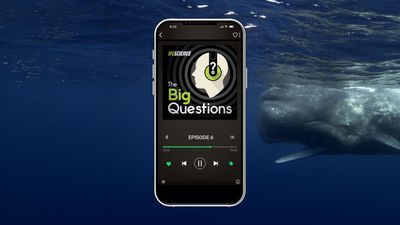
A sperm whale facing the IFLScience 'The Big Questions' podcast logo on a phone screen

Whale, hello there. 

Image credit: Martin Prochazkacz/Shutterstock.com, modified by IFLScience

Do you ever wish you could talk directly to your pet? Or have the Eliza Thornberry or Dr Dolittle experience for real? Unravelling the mysteries of animal speech might be closer than you think with Project CETI’s work on decoding sperm whale language. With remarkable similarities to human speech, just how far away are we from learning the language of another species?

Host Eleanor Higgs spoke to Dr David Gruber, founder & CEO of Project CETI (Cetacean Translation Initiative), about decoding whale language, what we'd ask first, and who should really be doing the talking.

You can listen to this episode and subscribe to the podcast on all your favorite podcast apps: Apple Podcasts, Spotify, Podbean, Amazon Music, and more.



Written by 

Add us as a Google preferred source to see more of our
trusted coverage in Search