Nature
 PUBLISHED


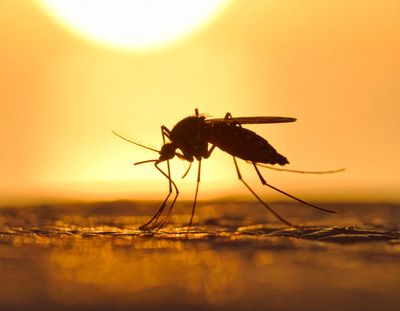


For years, heat and humidity have brought more and more mosquitos to Los Angeles. But this year’s heatwaves and ongoing super El Niño have made the situation even worse, bringing further cases of mosquito-borne diseases such as West Nile fever. It seems LA is no longer the City of Angels, but rather the City of Mosquitos.
Mosquitos aren't necessarily a new pest for California. After all, Culex quinquefasciatus (referred to as “quinx”), is a local endemic species that has been biting people for centuries. However, this type of mosquito has a preference for birds over humans. For over a decade now, the region has also seen a rise in members of the Aedes genus. These are an invasive species (locally known as “ankle biters”) that target humans more frequently.
As the Guardian recently reported, because these insects are new to the area, people have less exposure to them and their bites tend to cause larger welts. Aedes mosquitos thrive under humid conditions and reproduce in still bodies of water, such as gardening buckets, plant pot overspill or neglected pools.
Mosquitos may be small, but they are killers. In fact, mosquitos are the deadliest animal on the planet, when it comes to human deaths. Each year, over 1 million people die from diseases spread by these tiny creatures, according to the American Mosquito Control Association. Some even believe this figure is too conservative, suggesting that up to 2 to 3 million deaths occur each year due to their bites.
Different species are associated with different diseases. For instance, quinx mosquitos’ love for birds make them an ideal carrier of West Nile virus. This year, the Los Angeles County Department of Public Health documented 216 West Nile virus infections in people, 10 of which led to death.
“The number of persons infected in the 2026 season is greater than the 5-year average during the same period of time”, the Department stated.
In contrast, Aedes mosquitos can carry malaria – which kills around 600,000 people each year – as well as diseases like Dengue, Zika, Yellow Fever, and Chikungunya.
Last week, Southern California experienced another excessive heatwave, perpetuating the humid summer that has already produced wildfires and record temperatures. Although it looks like some relief is coming, temperatures likely won't drop far enough to stop mosquito activity. Moreover, the forecasted rains may even offer them more places to breed.
Eliminating any pools that form is one step towards stopping mosquitos from multiplying in people’s gardens. This is something members of the country vector control district try to do where they can, but their activities are sometimes viewed with suspicion by homeowners.
“Not everyone wants us on their property, so it creates quite a hurdle,” Angela Caranci, with the greater Los Angeles county vector control district told the Guardian. “Half the battle is convincing people we’re not trying to sell them some subscription-service pest control.”
In addition, they spray a chemical insecticide called adulticide, which targets adult misquotes. This spraying method is one of the reasons West Nile cases haven't grown beyond those of earlier years, even though this has been a mosquito-abundant year.
On an individual level, local residents can try to combat the insects with store-bought products, such as Deet, picaridin, IR3535, or other means.
In addition to this year’s severe El Niño helping support the rise in mosquitos in California, ongoing climate change is making them more common across the world. In fact, mosquitos were identified in Iceland last year, where they had never been seen before.
As global temperatures continue to rise, we will likely see more species of mosquito move into more areas they don’t normally inhabit, bring with them the diseases they carry.
[H/T The Guardian]