Humans
 PUBLISHED



This week, the world’s largest luminous vertebrate’s sparkly tummy makes it an even better hunter, a new trial is using AI to re-route planes over the Atlantic in a bid to curb contrails, and a personalized mRNA cancer vaccine has cleared phase 3 trials for the first time. Finally, we spoke to palaeontologists to ask how exactly you go about faking a fossil.
Create an IFLScience account to get all the biggest science news delivered straight to your inbox every Wednesday and Saturday.
Hominin Taxonomy Is A Hot Mess. One Anthropologist Proposes A Shake-Up Of Our Family Tree
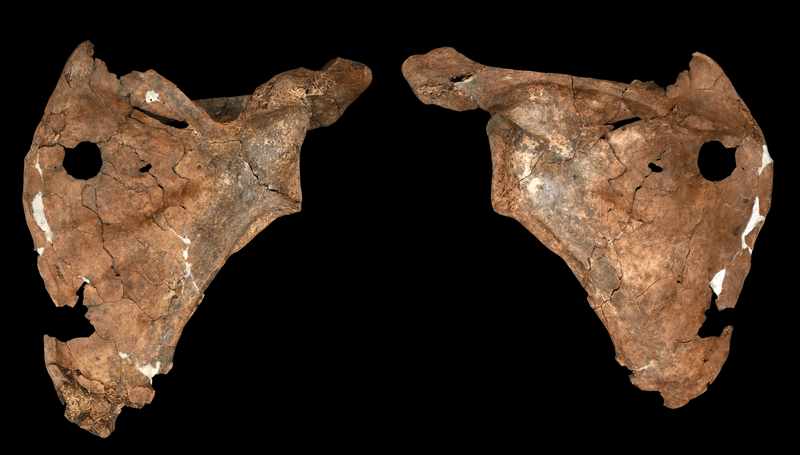
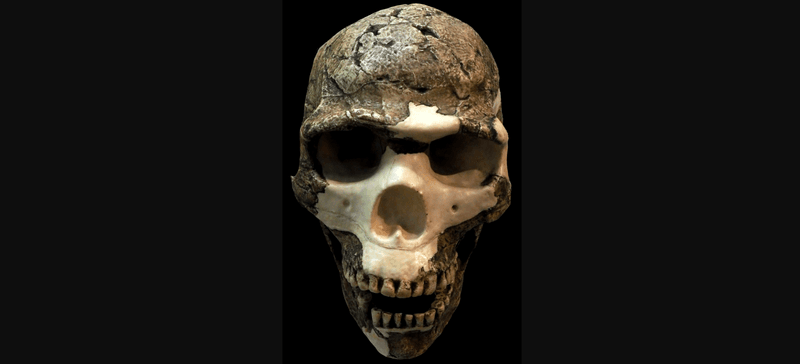
For decades, paleoanthropologists have been learning that human evolution is much more complex than they used to think. Now one scientist has proposed that the best way to reflect that taxonomically is to abolish the genera Australopithecus and Paranthropus, welcoming both into our own genus Homo. Read the full story here
You Can Now See The Before And After Of The SpaceX Collision On The Moon
Earlier this month, on August 5, the upper stage of a SpaceX rocket had an uncontrolled collision with the Moon, impacting the surface just at the edge of the visible face of our natural satellite. NASA’s Lunar Reconnaissance Orbiter (LRO) was set on the case to find the crater, image it, and work out its properties. And researchers got pretty close with their predictions. Read the full story here
World’s Largest Luminous Vertebrate Is A Shark With A Sparkly Tummy – All The Better To Hunt With
Down in the deep ocean, it's pretty dark. Yet some species have evolved their own ways of producing light. This can be used to lure in prey, attract a mate, or even just put on a little show. However, for the kitefin shark, the largest known luminous vertebrate, scientists have discovered that its sparkly belly makes it an even better predator, which is pretty unusual. Read the full story here
A World's First Trial Is Curbing Contrails By Re-Routing Planes Over The Atlantic Using AI
Those feathery white streaks that trail behind aircraft as they cruise through blue skies aren't as sweet and innocent as they look. Relax: they’re not sprinkling mind-altering chemicals onto the unsuspecting population, but they do have a seriously negative impact on the environment. A world-first trial is seeing if there is a way to avoid them. Read the full story here
For The First Time Ever, A Personalized mRNA Cancer Vaccine Has Cleared Phase 3 Trials – And With Flying Colors
It took a long time – and a deadly global pandemic – for mRNA vaccines to go from promising research curio to routine preventative medicine. Now, six years after proving its mettle to the tune of some 2.5 million lives saved, the same technology is taking on a more formidable foe: skin cancer. Read the full story here
TWIS is published weekly on our Linkedin page, join us there for even more content.
Feature of the week:
How To Fake A Fossil: We Asked Palaeontologists How They'd Do It, And Yes, They Told Us
At what point does helping a fossil along in its presentation cross the line into augmentation – or even forgery – intentional or not? We chatted with palaeontologists Professor Paul Barrett and Dr Valentina Rossi about how to go about distinguishing the genuine article from a fake, and if they were going to make one convincing, how they would do it. Read the full story here
More content:
Have you seen our e-magazine, CURIOUS? Issue 49, August 2026, is available now. This month, we asked, “How Do Animals Get Their Patterns?” – check it out for exclusive interviews, book excerpts, long reads, and more.
PLUS, the We Have Questions podcast – an audio version of our coveted CURIOUS e-magazine column – continues. In episode 23, we ask, “Why Do 8 Million Pickled Fish Sit In Louisiana's WWII Bunkers?”
The Big Questions podcast season 6 continues with episode 5, where we ask, “Can AI Be Conscious?” Host Dr Alfredo Carpineti sat down with Dr Alex Hanna, director of research at the Distributed AI Research Institute, to talk about the big claims surrounding these computational approaches.