Humans
 PUBLISHED





What you'll discover in this article
- A Neanderthal living 75,000 years ago received a fatal blow from a spear that would have penetrated vital organs and killed it almost immediately.
- We don’t know if the spearing was deliberate or accidental, but the individual was cared for enough to be carefully laid to rest in a spot where at least four more Neanderthals were interred in subsequent years.
- “Shanidar Cave shows that Neanderthals, our closest evolutionary cousins, had complex lifeways that seem to have involved care and compassion on the one hand and violence on the other,” Professor Graeme Barker told IFLScience
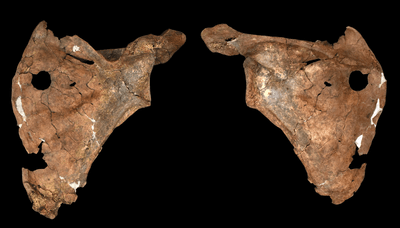
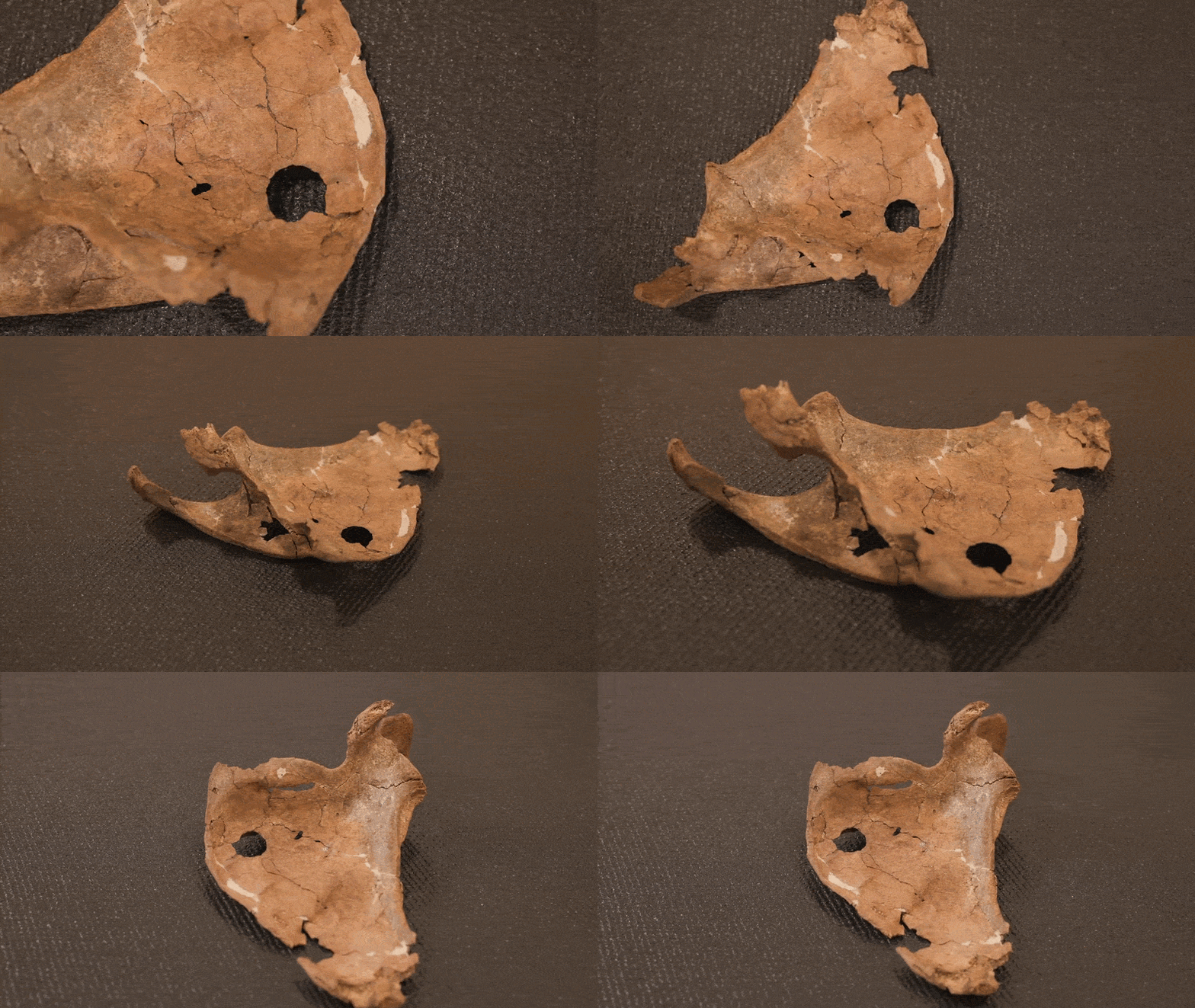
A Neanderthal with a hole in its shoulder blade is probably the oldest evidence of a human who died from a spear wound, and therefore among the oldest examples of death by violence from another human. There is no way to be certain, however, whether this was a deliberate act or a tragic accident, nor whether the thrower was another Neanderthal or a member of our own species.
Much of what we know about Neanderthals comes from Shanidar Cave in Kurdish Iraq, and it still has plenty to teach us – though in this case what we've learned seems to have come at the unfortunate cost of this individual's untimely death.
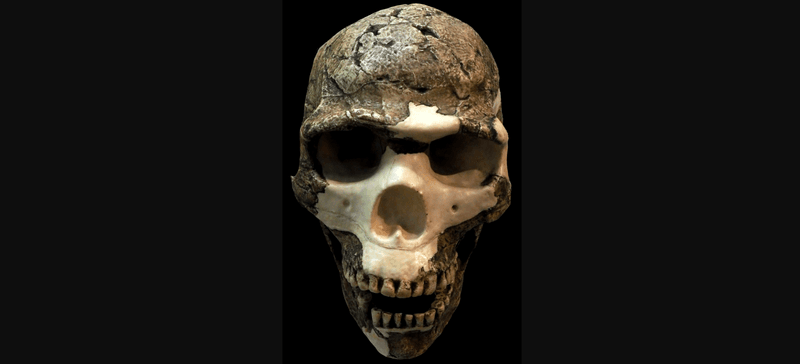
Shanidar is famous because it contains several Neanderthal skeletons, including one covered in pollen, controversially proposed as evidence our nearest extinct relatives brought flowers to funerals. Archaeologists first found partial Neanderthal skeletons there in the 1950s, including some that were largely complete, but war and the political climate of Iraq have forced long interruptions in their analysis.
Professor Graeme Barker of the University of Cambridge told IFLScience he has led expeditions to Shanidar since it became possible again in 2015.
A spear to the heart
“At Shanidar Cave we have demonstrated that there were two main phases of Neanderthals placing bodies there as well as living in it, one around 75,000 years ago and one around 50,000/45,000 years ago,” Barker told IFLScience.
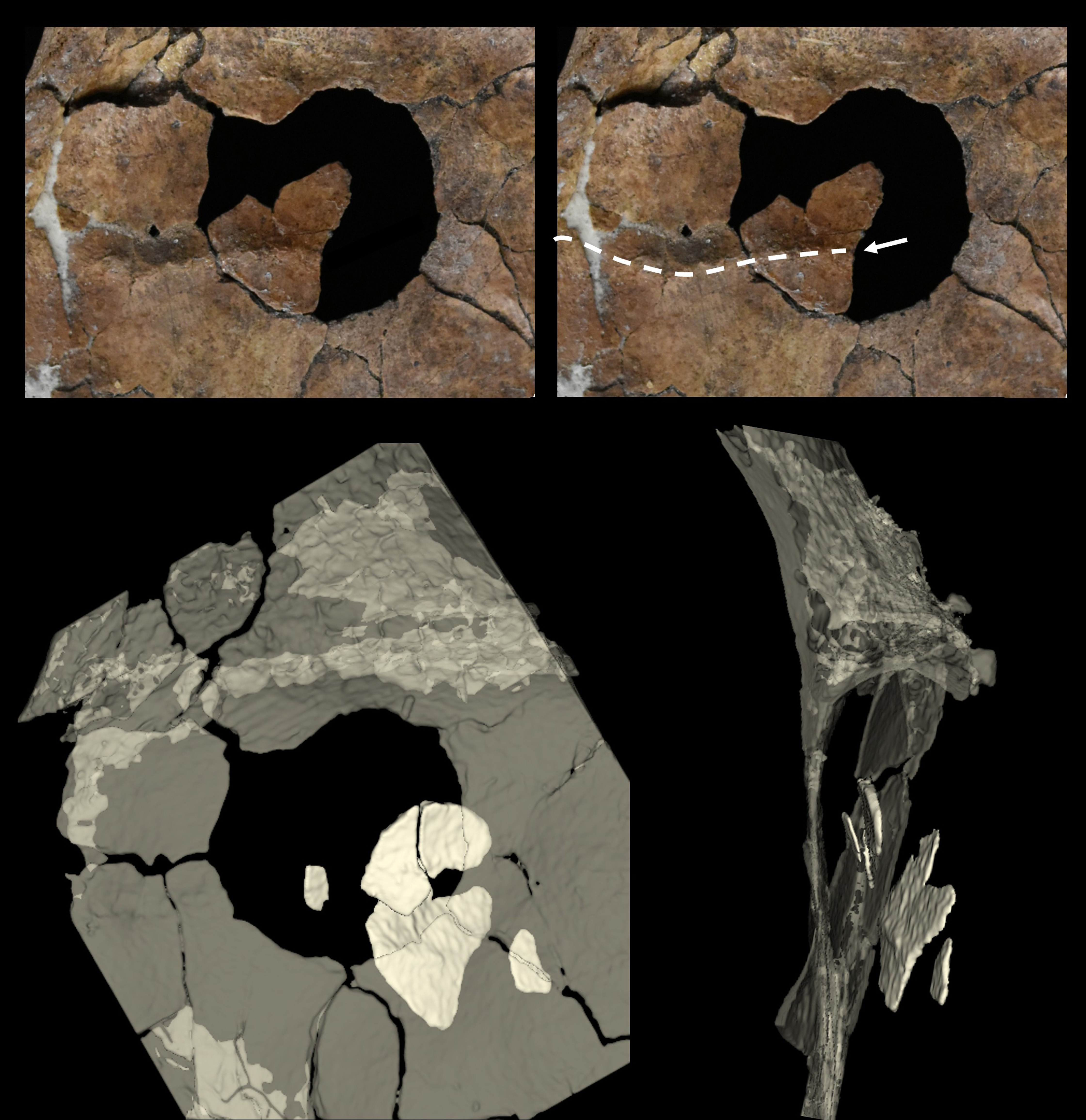
The specimen known as Shanidar A comes from the earlier period, and the unfortunate individual's remains include an almost circular hole in its scapula, consistent with being speared from above.
Despite the usually poor preservation of wooden tools, there is evidence that Neanderthals as early as 400,000 years ago used spears. Whether these weapons were used purely to hunt food, or to settle disputes with other hominins, has been uncertain, and this new finding sheds some light on our ignorance.
“It’s extraordinary to have a perfectly preserved scapula from 75,000 years ago. These bones are so thin that you often don’t get complete scapulae from modern burials,” Dr Emma Pomeroy, also at the University of Cambridge, said in a statement. “We were able to lift it out in one piece from under almost eight metres of rock and sediment.”
Neanderthals’ have gone up in our estimations somewhat compared with our early perception that they were violent brutes, but that isn't to say they were pacifists who would have been incapable of the kind of violence modern humans are known to perpetrate on each other.
The researchers also note that lethal accidents would be entirely probable, for example if you imagine a situation in which a group of Neanderthals was attempting to spear a mammoth up close and personal. That said, the hole’s location is consistent with a deliberate killing, as it's the kind of wound you would expect if the spear wielder was aiming for the heart.
“Holes left by recreations of spears from this time are an excellent fit for the one we found in the Neanderthal scapula,” Pomeroy said. “That early technology absolutely works for this wound.”
The find is the first evidence of Neanderthal spear use in the Middle East. It’s hardly surprising, however, given what we know of their technology elsewhere.
“What evidence we have suggests that Neanderthals and their ancestors developed woodworking and weapon-making skills many thousands of years before the death of Shanidar A,” Pomeroy said. “This package of capabilities could have spanned the full range of Neanderthal homelands, from Wales to Siberia.”
On the other hand, by 75,000 years ago, Neanderthals probably didn’t have the area to themselves, since Homo sapiens had at least passed by on the great journey out of Africa. We know sex sometimes happened between the two hominins, but there could also have been plenty of violence.
Both violence and care
“All we can ever know about the end of this Neanderthal’s life is that it was violent, and [it] came at the end of a wooden spear,” said Barker. Nevertheless, he argues that we shouldn’t let examples like this distort our view of our ancient relatives' lives.
“Evidence of systematic violence is extremely rare in deep prehistory. The vast majority comes from periods of settled farming communities thousands of years after hunter-gatherer societies like our Neanderthals.”
“The first main evidence in the archaeological record for systematic interpersonal violence comes from much later agricultural ('Neolithic') people living in sedentary villages, in far greater numbers than hunter-gatherers (who we usually think of living in groups under 30-50 individuals), in households with possessions, fields, heritable resources etc, totally unlike hunter-gatherers.”
Assuming that context holds true for the Neanderthals in Shanidar Cave, it would seem this particular individual was either very unlucky, or otherwise made itself particularly unpopular, since this wasn't the only devastating blow it experienced in its life. One of its seven surviving teeth had been split, and those around were rotated inward, indicative of major blunt-force trauma to the front of the face.
Yet that blow, whether landed by another hominin or a mammoth that objected to being eaten, happened at least a year before the fatal spearing, based on the tartar build-up on the split tooth. “Trauma among Middle and Upper Palaeolithic Neanderthals and modern humans, and subsequent survival, is common,” the authors write. “However, the facial injury was severe and unusual.”
“Surviving a blow that splits a tooth in this fashion, then continuing to live and eat for a period of at least a year and maybe more, would have required care and support from other Neanderthals,” Pomeroy said.
For example, the individual would have been restricted to a soft food diet, probably plant foods soaked before cooking. “There’s no doubt that Shanidar A would have had difficulty communicating and been in absolute agony for a long period of time,” Pomeroy said.
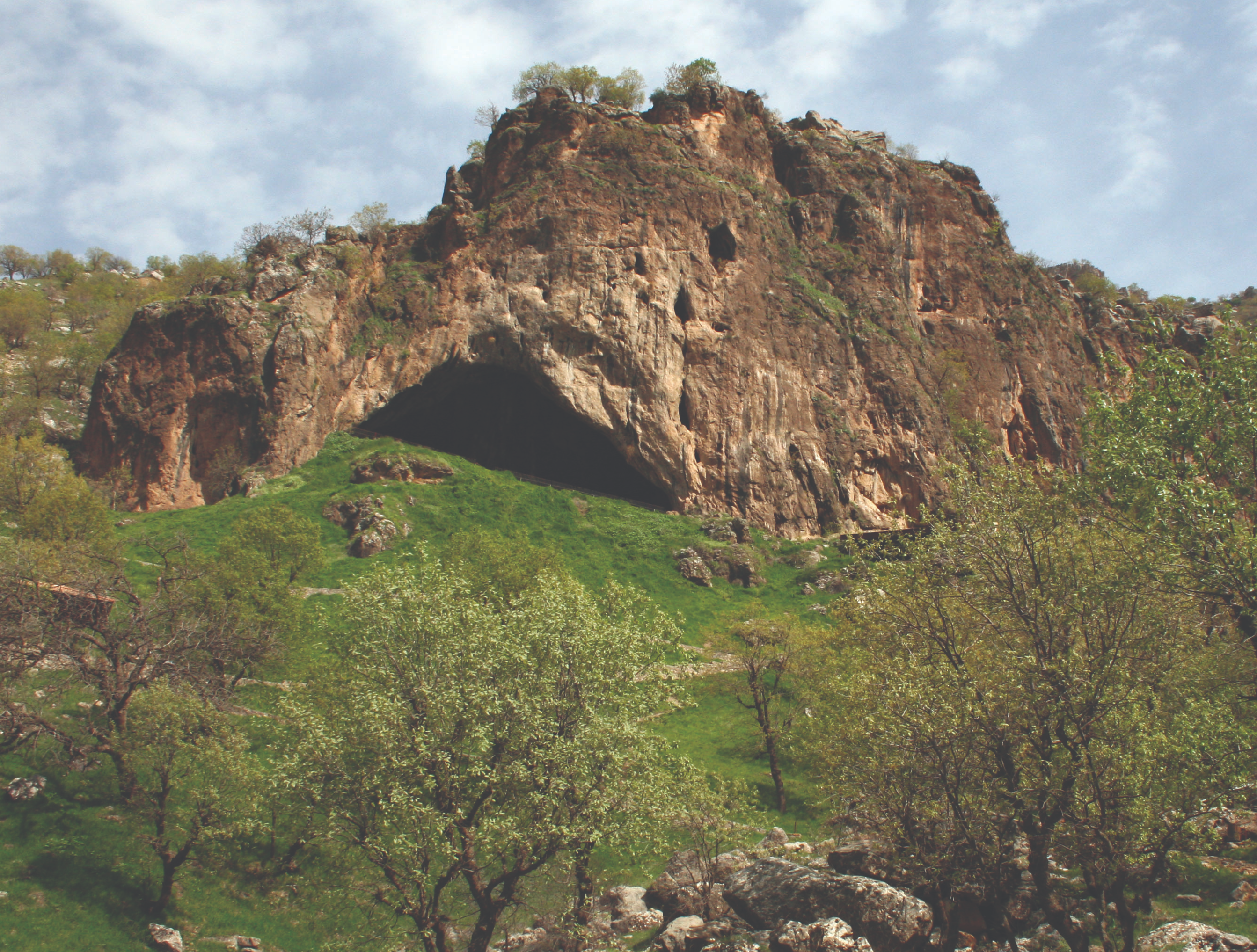
The finding is consistent with what is perhaps Shanidar’s most famous archaeological treasure. That being the remains of an individual with a paralyzed arm, arthritis, and most likely also deafness and partial blindness, who lived in the cave for a long time with injuries that would have been lethal without communal care some 25,000 years after Shanidar A.
“The remains of Shanidar A reflect the dual nature of so much of what we recognize as human. On the one hand, we have evidence of a terribly violent end. On the other, this was clearly an individual who was cared for during their lifetime,” Pomeroy said.
Besides the scapula and teeth, only a right hand, and two complete and one partial rib, survive from Shanidar A, so we don’t know what further injuries the rest of the body acquired in its estimated 45-year life.
The individual is one of five Neanderthals buried in a part of the cave the size of a single bed. Both Shanidar A and the individual above them had been placed on their backs with their heads facing east. “We think they were deliberately placed behind a tall rock pillar fallen from the cave roof that would have been a prominent marker in the centre of the cave's living space in Neanderthal times,” Barker told IFLScience. “This cluster is unique in Neanderthal archaeology.”
“The best explanation is intentional and symbolic funerary behaviour,” said Pomeroy. “These Neanderthals returned to the same place to lay their dead to rest. Some were deposited before the earlier body had fully decomposed, so this was happening within years or decades.”
“Shanidar Cave shows that Neanderthals, our closest evolutionary cousins, had complex lifeways that seem to have involved care and compassion on the one hand and violence on the other,” said Barker. “That doesn't mean they were 'almost like us' – they show us that there were other ways of being human and we Homo sapiens are not unique in our capacities both to help and to hurt each other.
The study is open access in Scientific Reports.