Nature
 PUBLISHED




“Supersized,” “uncharted waters”, and “danger zone.” These are some of the words used by the UN's World Meteorological Organization (WMO) in their latest warning about El Niño and the potential impact it will have on the world’s climate over the coming months.
“El Niño is being supersized before our eyes. The science leaves no room for doubt: the planet is in uncharted waters, and those waters are heating up. Sea surface temperatures are rising, temperatures keep climbing, and the world is in the danger zone of extreme weather,” António Guterres, UN Secretary-General, said in a statement.
The race now is between rising risks and our commitment to take climate action and protect people. We must win that race.”
What is El Niño?
El Niño is a climate phenomenon characterized by warmer ocean temperatures across the central and eastern tropical Pacific Ocean, triggering a domino effect that has a broad influence on the weather across the world.
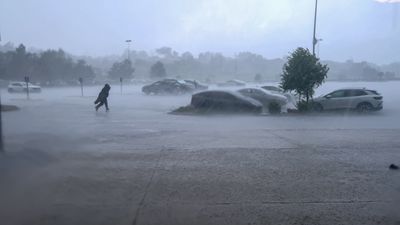
In some parts of the world, droughts and wildfires are more likely, while others experience stronger typhoons, heavier rainfall, and flooding.
2026's El Niño is already strong and strange
The latest El Niño event started in June 2026 and has continued to gain strength at a record pace over the past few months. By early August, temperatures in the eastern Pacific were 2.6°C (4.68°F) above normal, which is way ahead of the curve of previous record-breaking years.
Based on the latest data, the WMO forecasts that El Niño is only getting stronger and there’s now a 100 percent chance that it will persist through at least February 2027.
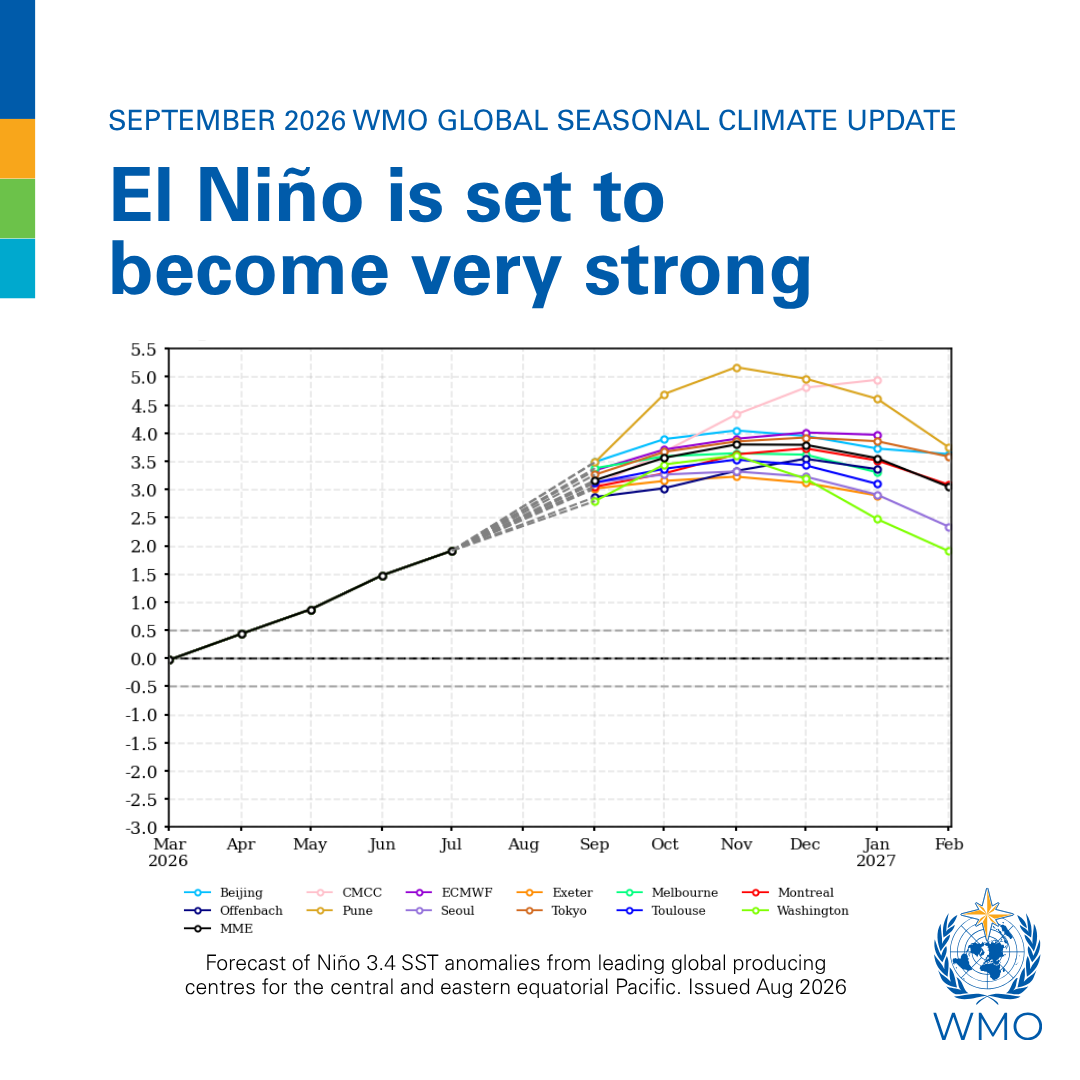
The sheer strength and pace of the event so far means its impacts could be even more severe than usual, from disrupted harvests and strained food supply networks to infrastructure damage and natural disasters.
“WMO is committed to working closely with partners across the United Nations and humanitarian system to provide the climate intelligence and insights needed to support disaster management and climate-sensitive sectors like agriculture, health, energy and water resources,” said WMO Secretary-General Celeste Saulo.
“We have no time to lose.”
What have previous super-El Niño events been like?
Some meteorologists have suggested that the 2026/2027 El Niño is so freakishly strong that it’s difficult to draw comparisons to previous events.
The strongest event in recent memory, the El Niño of 1997/98, cost the global economy up to $5.7 trillion and was linked to some 23,000 deaths according to some estimates. Will the current spell be even more disastrous? There’s not enough evidence to say either way, but it's something the world must consider.
Speaking to IFLScience in August 2026, Zeke Hausfather, a climate scientist at Berkeley Earth, said: “We’re hopefully not going to see the level of death” seen in 1997/98, largely because the world now has stronger infrastructure and better preparedness than in previous decades.
However, he added that he “certainly would not be surprised if overall damages from this El Niño event end up well into the hundreds of billions of dollars, if not trillions.”
Climate change adding fuel to the fire
Complicating matters further, this unusually powerful El Niño is unfolding on top of decades of human-driven climate change, making any comparison to past events even trickier.
One thing is certain: there are uncharted waters that the world needs to prep for.
“1998 was a record-shattering year at the time for temperatures. If it occurred today, it would be exceptionally cold. That puts in perspective how much human contribution has changed things in addition to things like El Niño. The last time we had a year as cold as 1998 was 2011. Every year since 2011 has been hotter than 1998,” added Hausfather last month.
“I don't want to be overly alarmist about it, but I think we should be preparing right now for something that we have never seen before. I hope countries, particularly in the tropics, are already starting to prepare for reduced harvests and the impacts that'll bring. I don't think we can be complacent, particularly because this event is so far outside of anything we've experienced before,” he explained.