Nature
 PUBLISHED
 1
1


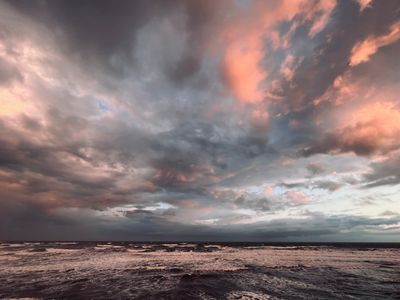


El Niño has arrived. Just as many meteorologists warned, the warm phase of the El Niño Southern Oscillation (ENSO) has kicked into gear, according to NOAA. Buckle up, things could get messy.
On June 11, NOAA officially announced that El Niño conditions had developed in the tropical Pacific. It comes just one day after the event was declared by the Japan Meteorological Agency.
El Niño is declared when temperatures in the tropical Pacific are 0.5°C (0.9°F) higher than the average for several consecutive months. It sounds simple enough, but the consequences are anything but straightforward.
What is El Niño? And why should you care?
The ENSO is a recurring climate cycle originating in the equatorial Pacific that ripples outward to influence weather across the entire globe, influencing everything from rainfall and droughts to tropical cyclones and heatwaves.
It goes through three distinct phases: El Niño (the warm phase), La Niña (the cool phase), and ENSO-Neutral. It swings between the two main phases on an irregular basis, typically every two to seven years.
After lingering in the ENSO-Neutral phase for the past months, the rise in temperatures in the equatorial Pacific signals that we’re now in the El Niño phase.
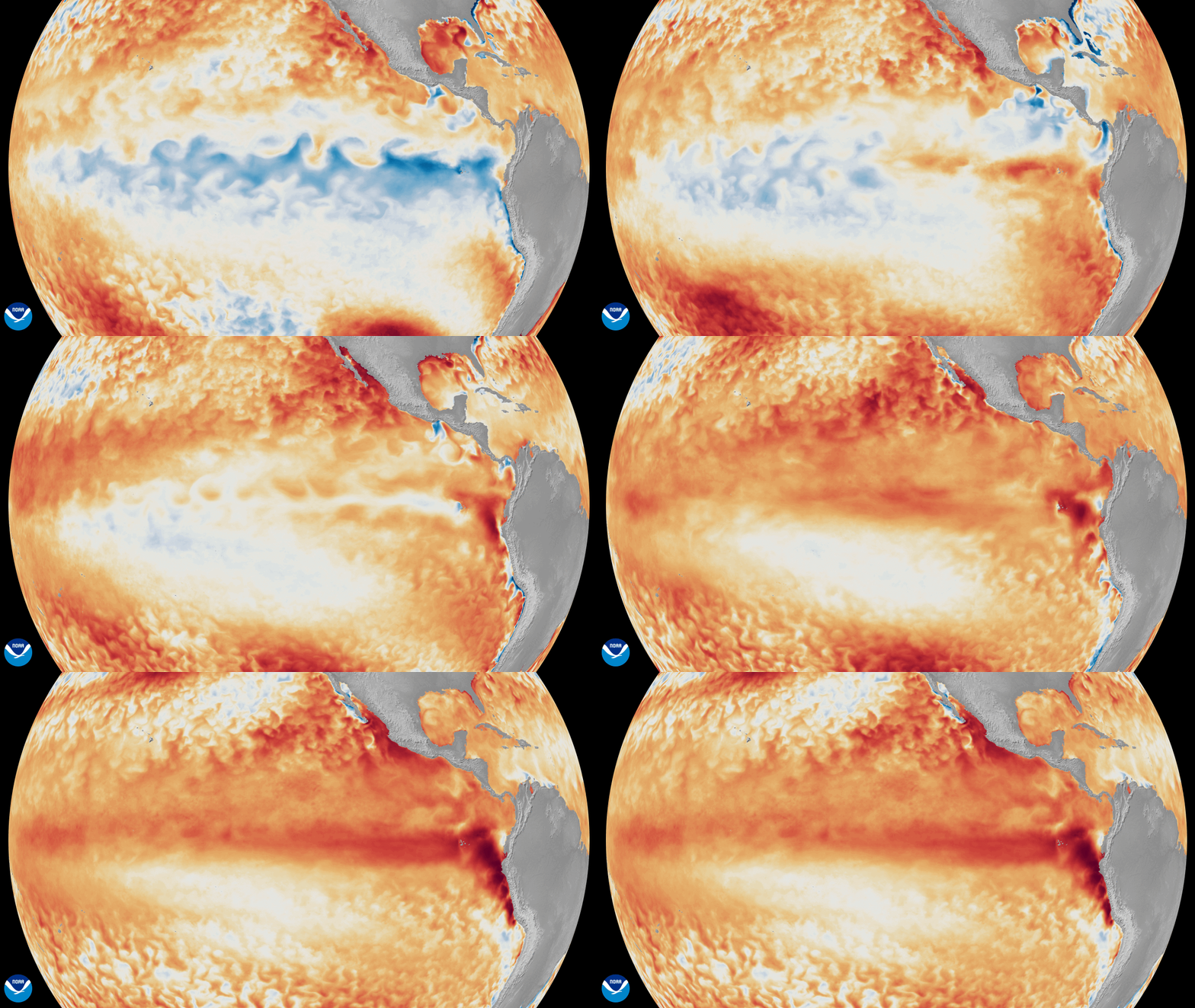
This will have an impact on weather patterns across the globe. Chief among its impacts, El Niño typically pushes global average temperatures higher, raising the odds of a record-breaking year. Some scientists are already hedging their bets that 2026 will rank among the warmest years ever recorded – if not the warmest – thanks to El Niño.
How will El Niño affect weather in the US and beyond?
Locally, the effect will be different depending on where you are on the planet. In a classic El Niño winter, the North Pacific jet stream shifts south, redirecting storm systems toward the southern US. This shift also drives drier conditions across the Northern Rockies and the Ohio and Tennessee valleys.
Meanwhile, the Southern US is more likely to see stormier weather, with increased chances of both rain and snow. In parts of the US, especially the West Coast, there’s a much higher risk of high tide flooding. Temperature-wise, much of the northern U.S. tends to experience a milder winter than average.
Over in Australia, El Niño typically brings hotter temperatures and reduced rainfall, creating the ideal conditions for droughts and bushfires.
“Every El Niño is not the same; each one is unique with its own imprint on our weather,” Ken Graham, director, NOAA’s National Weather Service (NWS), said in a statement.
"Advanced monitoring and an improved understanding of El Niño patterns allow the NWS to better predict and better prepare the public and our core partners for what is to come,” he said.
Will 2026's El Niño be a strong one?
Many forecasts have suggested this year’s El Niño could be exceptionally strong. The latest NOAA forecast predicts a 63 percent chance of sea surface temperatures in the Pacific exceeding 2.0°C (3.6°F). If this threshold is surpassed, NOAA considers the event a “very strong” El Niño. In other words, more likely than not, 2026’s El Niño will pack a punch.
If you’re wondering what a big one looks like, just look at the strongest El Niño on record. Between May 1997 and June 1998, a powerful El Niño triggered relentless floods that devastated Asian agriculture, while surging waterborne diseases swept through Africa and South America.
The extreme weather contributed to the deaths of 23,000 people and drained $5.7 trillion from the global economy.
There’s no telling yet whether this year’s event will be anywhere near that harsh, but the UN’s World Meteorological Organisation said earlier this month we must prepare for the worst.