Nature
 PUBLISHED




The looming return of El Niño in the months ahead is set to send 2026's weather extremes into overdrive, from heatwaves and record-breaking temperatures to drought and wildfires, according to an update from World Weather Attribution (WWA).
Just five months in, and the year has already delivered an extraordinary number of extreme weather events. Here are just a few examples:
- Sea surface temperatures worldwide are creeping toward all-time highs – on some days even eclipsing the record levels set in 2024.
- Northern Hemisphere sea ice shrank to its lowest extent ever recorded for this time of year, with Arctic sea ice hitting a record low for the second consecutive year.
- Several US states set records for their warmest winters.
- Greenland experienced its warmest January on record.
- Spain endured its wettest start of the year in nearly five decades, just a few years after seeing the driest conditions the country had seen in over 1,200 years.
- Temperatures well above 40°C (104°F) scorched Australia, triggering catastrophic fire danger and the worst conditions since the Black Summer bushfires in 2019–2020.
- India reached temperatures of 46°C (114.8°F)
- France broke monthly temperature records in February, while some Brazilian states were swamped by their wettest month on record, triggering deadly floods and landslides.
- Extensive wildfires have swept across parts of Asia, Africa, and South America.
Many of these events are linked to rising temperatures and the disruption of weather systems driven by human-caused climate change.
But this might just be the start of things. Several climate-monitoring organizations have said it’s very likely that El Niño will reemerge this year, with some forecasting it could be a particularly strong one.
El Niño is defined by an increase in ocean temperatures and atmospheric pressure across the eastern tropical Pacific Ocean. These conditions here have a knock-on effect that's felt across the globe, influencing everything from rainfall to droughts, tropical cyclones, heatwaves, and more.
Chief among its impacts, El Niño typically pushes global average temperatures higher, raising the odds of a record-breaking year. Some scientists are already hedging their bets that 2026 will rank among the warmest years ever recorded – if not the warmest.
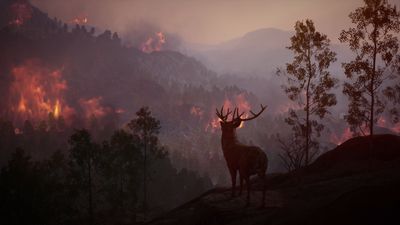
When it comes to wildfires, the outlook is particularly grim. Higher temperatures, droughts, and generally drier conditions are converging into what WWA is warning could be an "unprecedented year of global fire."
"Whilst in many parts of the world the global fire season has yet to heat up, this rapid start, in combination with the forecast El Niño, means that we're looking at a particularly severe year materialising," Theodore Keeping, a wildfire expert at Imperial College London and part of the WWA group, told reporters this week, according to Reuters.
"The likelihood of harmful extreme fires potentially could be the highest we've seen in recent history if a strong El Niño does develop," he said.



 1
1