Nature
 PUBLISHED


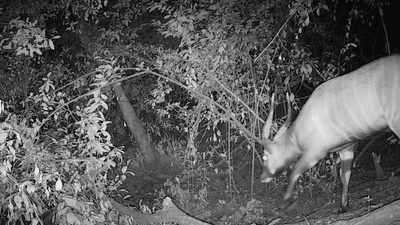


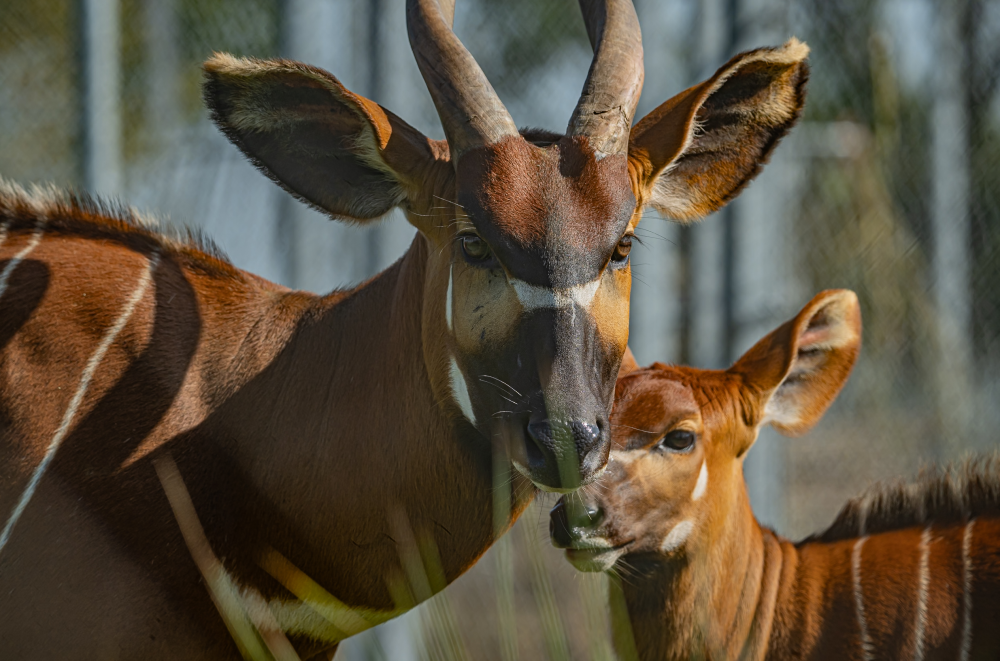
In Africa there is an antelope of near-mythical status. Known as the “Ghost of the Forest,” the bongo is camouflaged to slip unnoticed amongst dense vegetation – the kind found in the remote and inaccessible forests of Maasai Mau in Kenya. Bongos were thought to have disappeared from the region having not been documented in half a decade. Now, that’s all changed.
Bongos were once widespread in Kenya’s highland forests, but a combination of habitat loss and poaching has pushed their numbers to the brink and they are now considered critically endangered. For over half a decade it was feared that their wild population had shrunk to a tiny range in the Aberdare mountains in Kenya.
To monitor the situation, scientists and conservationists laid camera traps across the region, including in forests 200 kilometers (124.3 miles) away from the Aberdares in Maasai Mau. Suffice to say, the resulting photos might have been what everyone was hoping for, but they were not what they expected.
“The excitement in camp was unbelievable when we first looked through the photos,” said Director of Operations at the Mountain Bongo Project (MBP) Oscar Dyer in a release emailed to IFLScience. “This image is the result of years of hard work by our rangers on the ground in one of Kenya’s most inaccessible forests. Seeing a bongo here again is incredibly exciting – and it reinforces our determination to continue searching, protecting this forest, and finding evidence of more bongos in the area.”
The bongos caught on camera were exploring a remnant forest fragment in Maasai Mau. It’s thought the male was sighted back in 2018 by Tommaso Sandri, a Chester Zoo conservationist and MBP Advisory Council member. But it wasn’t until a hi-tech survey to install remote cameras was carried out in 2025 by Chester Zoo – with the support of MBP, the Mount Kenya Wildlife Conservancy, and Kenya Wildlife Service – that anyone was able to document their presence on camera.
“This is huge news,” said Sandri. “Unlike Aberdares, Maasai Mau is not a national park, and the reappearance of bongo may focus organisations on increasing broader protections. It’s a testament to the persistence of the MBP rangers who work in incredibly difficult and isolated conditions to monitor and protect this antelope.”
That the photographed bongos were roaming here for so many years without detection is a hopeful reminder that unseen doesn’t mean gone. Despite being the largest, heaviest, and most colorful African forest antelope, bongos' rarity and shyness means tracking the “Ghost of the Forest” is very difficult.
Their triumphant return to Maasai Mau brings fresh hope for the species, as recent counts at the Aberdares put their numbers to be at fewer than 40 individuals.
An action plan is already underway to safeguard the bongos living outside of their previously known range. It forms part of fresh conservation action plans to restore the antelopes’ wild population following the release of zoo-bred bongos into the wild. It’s a species on the brink, but one everyone agrees is worth saving.
“I believe the world would be poorer for their loss,” said Sandri. “Their presence makes the forest more magical. This is a problem caused by people, and we need people to fix it. Without everyone sharing their expertise and resources, the bongo could be lost.”