Humans
 PUBLISHED



This week, new research provides answers as to why and how COVID-19 damages the eye, an underwater volcano off the coast of Mayotte may have spewed magma from 4.5 billion years ago, and a skull from the site of the world’s earliest human burials shows signs of severe facial wounds. Finally, the Socorro dove has been extinct in the wild since 1972, but it might be about to make a return.
Create an IFLScience account to get all the biggest science news delivered straight to your inbox every Wednesday and Saturday.
Does This 400-Year-Old Renaissance Painting Show An Animal Behavior Only "Discovered" In 2025?
In 1611, the Flemish painter Jan Brueghel the Elder finished his epic allegorical painting Air. In it, he depicted the Muse of Astronomy, Urania, reclining on a cloud as a menagerie of feathered birds surrounds her. But while studying the animals in the picture, one researcher spotted something far more intriguing: in the top right corner, there appeared to be a bat carrying a bird in its mouth. Read the full story here
Even Mild COVID-19 Infections Can Cause Long-Term Eye Problems. But Diagnosis May Finally Be Possible
Eye problems such as extreme sensitivity to light and difficulty reading are among the many symptoms of long COVID. But they have proven particularly difficult to diagnose. New research, however, not only offers partial answers as to how the virus damages the eyes, but it also provides a better path to establishing infection as the cause. Read the full story here
A 10-Kilometer Comet Discovered In 1873 Is About To Make Its Best Return In Decades
If you have clear skies and access to binoculars or a small telescope, now is your chance to see a 10-kilometer (6.2-mile) comet, first spotted 153 years ago, as it makes a close approach to the Earth. Read the full story here
An Underwater Volcano Erupted And May Have Spewed Magma From 4.5 Billion Years In Earth's Past
An underwater volcano off the coast of Mayotte, an island lying between Madagascar and Mozambique, erupted in 2018. According to new research, it may have spewed out magma dating back to Earth's earliest geological eon, during which we think the Moon was formed in a collision between Earth and a planet called Theia. Read the full story here
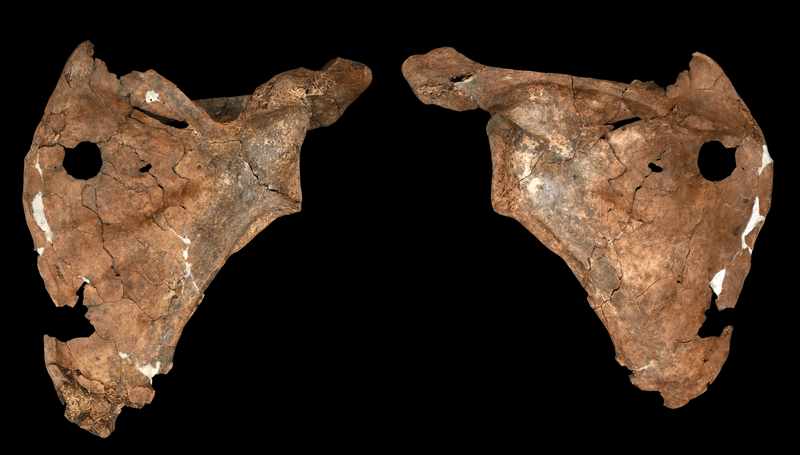
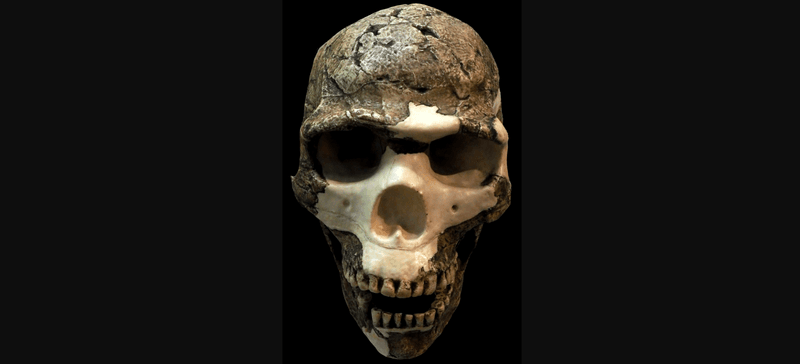
145,000-Year-Old Skull From The Site Of The World’s Earliest Human Burials Shows Signs Of Being Stabbed In The Face
The very first humans to develop funerary practices may have experienced some pretty horrific violence during their lifetimes. One member of the group even appears to have been attacked with a sharp object, leaving a deep wound that damaged part of the jawbone and one tooth. Read the full story here
TWIS is published weekly on our Linkedin page, join us there for even more content.
Feature of the week:
The Socorro Dove Has Been Extinct In The Wild Since 1972. Could The Birds Return To The Island Before The End Of The Decade?
On a tiny island off the coast of Mexico lived a population of birds found nowhere else in the world. In fact, the species hasn’t even been recorded on the island since the early 1970s, but thanks to the tireless work of zoos and conservationists the population has not gone fully extinct. Read the full story here
More content:
Have you seen our e-magazine, CURIOUS? Issue 48, July 2026, is available now. This month, we asked, “What Is Archaeoastronomy?” – check it out for exclusive interviews, book excerpts, long reads, and more.
PLUS, the We Have Questions podcast – an audio version of our coveted CURIOUS e-magazine column – continues. In episode 22, we ask, “Where Is The Human Heart Located?”
The Big Questions podcast is back for season 6! In episode 2, we ask “Could AI Find A Cure For Cancer?” Host Laura Simmons speaks to Professor Florian Markowetz, Professor of Computational Oncology at the University of Cambridge and Senior Group Leader at the Cancer Research UK Cambridge Institute, to ask what may be one of the biggest questions of all.
Our Break It Down podcast now has a new monthly format, coming at you in both audio and visual. So tune in each month to hear about some of the wildest science stories and adventures we’ve been on. Kick off this month with “Artemis II Records, Neanderthal Not-Hybrids, And Introducing ‘Moon Joy’”