Nature
 PUBLISHED


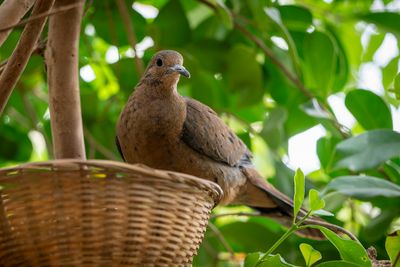


On a tiny island off the coast of Mexico lived a population of birds found nowhere else in the world. In fact, the species hasn’t even been recorded on the island since the early 1970s, but thanks to the tireless work of zoos and conservationists the population has not gone fully extinct.
These birds are known as Socorro doves (Zenaida graysoni), and now only about 200 individuals exist in zoos across the world.
How Socorro Island lost its doves
The species was declared extinct-in-the-wild in 1972. Since then, it has been kept alive by a carefully coordinated conservation effort across multiple zoos in numerous countries. If successful, the plan is to rewild the doves back onto the island by 2030.
The island is extremely small. Socorro is one of the four Revillagigedo Islands, 600 kilometers (373 miles) off the coast of Mexico. These days, Socorro Island is most popular with divers for the array of marine life that lives in the surrounding waters, especially sharks and rays.
However, around 150 years ago, human settlers brought sheep to the island, setting off a chain of events that devastated the native flora and fauna. The sheep caused immense habitat degradation, including destroying the nesting sites of these doves, which prefer to nest on the ground.
Then things went from bad to worse, when a naval base was constructed on the island in 1957. The workers at the base introduced cats, the nail in the coffin of the Socorro dove.
"It would have been lost forever"
While the sheep and the cats wiped out the remaining population on the island, an expedition by the California Academy of Science had collected 17 birds in 1925 and brought them to a captive breeding programme. These 17 birds quickly became the only ones left in the world.
As a consequence all the current Socorro doves are descended from these individuals, making them genetically vulnerable. Hybridization with mourning doves has also been an issue and such individuals are excluded from the breeding program.
“Zoos and partner organizations are the sole reason why the Socorro Dove has not become extinct. They cooperate and coordinate to manage the global population that is under their care. Institutions like the Chester Zoo, London Zoo, Smithsonian's National Zoo and the San Diego Zoo Wildlife Alliance manage breeding pairs and individuals, and address the challenges posed by housing this very peculiar species of doves,” San Diego Zoo Wildlife Alliance told IFLScience.
Zoos across the world have their own populations of Socorro doves and are trying to breed these birds back from the brink of extinction. In April 2025, three chicks were hatched at ZSL London Zoo, while both Chester Zoo in the UK and the San Diego Zoo have also successfully raised young.
Sadly, the Socorro dove was overlooked by conservationists for many years.
Andrew Owen
Given that there are so few of these birds left, every healthy chick is a major milestone for the species
“Sadly, the Socorro dove was overlooked by conservationists for many years and if it wasn’t for the efforts of a group of German aviculturists, who created a breeding programme for the species, it would have been lost forever. In 1995, the Socorro dove conservation breeding programme was formally established when the European Association of Zoos and Aquaria (EAZA) approved it as a European Endangered Species Programme (EEP)," said Andrew Owen, Head of Birds at Chester Zoo, in a statement sent to IFLScience.
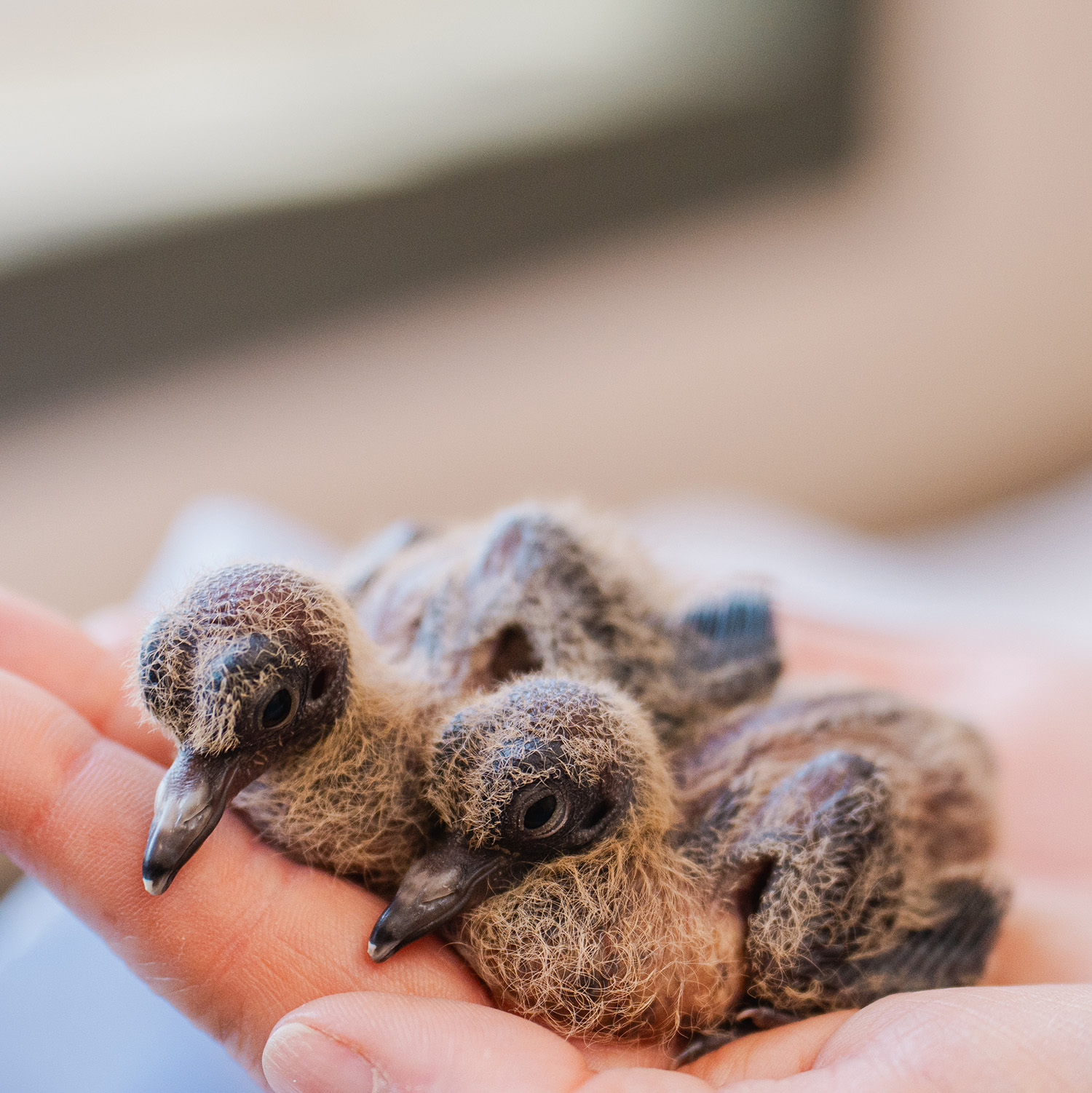
“The hatching of three Socorro dove chicks at London Zoo is a big step forward in our role to bring this species back from the brink of extinction. After importing some doves from Portugal’s Lagos Zoo at the end of last year, as part of the coordinated breeding programme, it’s fantastic to now see them successfully pairing with doves bred here at London Zoo. It’s a hopeful sign that a healthy Socorro dove population will return to their native island home one day,” Gary Ward, London Zoo’s Curator of Birds, said in a statement in 2025.
Hope for the future
It seems almost unbelievable that one day the doves could return to Socorro Island after the level of habitat degradation that occurred. Teams have been working to restore the plants and trees of the island, as well as to rid the land of sheep to help support the regrowth of the vegetation.
It’s hoped that eventually the doves themselves could return to their lost role in seed dispersal on the island, by consuming the fruits from these replanted trees and scattering the seeds in their droppings like they used to.
Significant steps have been taken to make the island more suitable, but it is not fully ready.
San Diego Zoo Wildlife Alliance
This restoration, it is thought, will benefit not only the future returning doves but other species, such as the Socorro mockingbird and the Socorro blue lizard.
“Feral cats and the introduction of domesticated sheep posed the greatest negative impact on the species. Since 2010 sheep have been eradicated from the island, but the feral cat population has not been removed and remain a risk to the Socorro doves if they were to be reintroduced. Significant steps have been taken to make the island more suitable, but it is not fully ready,” said San Diego Zoo Wildlife Alliance.
We’ll be watching this space to see if the doves can make it back to Socorro.