Nature
 PUBLISHED
 1
1


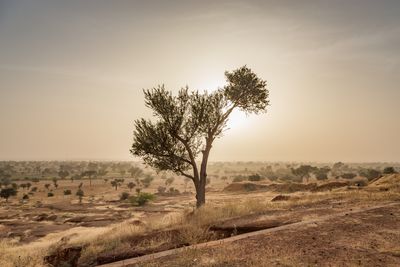


A Great Green Wall is striving to grow across the shoulders of Africa, stretching nearly 8,000 kilometers (4,970 miles) from Senegal on the west coast to Djibouti in the east. It stands as one of the largest landscape restoration efforts ever attempted on the planet, but some experts fear it will remain a mirage.
The project's full title is the Great Green Wall Initiative for the Sahara and the Sahel. Launched by the African Union in 2007, it stems from an idea planted by Thomas Sankara, Burkina Faso’s late revolutionary leader known as “Africa's Che Guevara”, who was assassinated in 1987.
What is Africa's Great Green Wall aiming to achieve?
Its central aim is to restore degraded landscapes across the Sahel, the vast semi-arid transitional belt separating the Sahara Desert to the north from the humid savannas to the south. Eleven countries across the region have signed up to the initiative: Senegal, Mauritania, Mali, Burkina Faso, Niger, Nigeria, Chad, Sudan, Eritrea, Ethiopia, and Djibouti.
"A wall of trees across the continent" doesn't quite capture the scale and depth of what the initiative was hoping to achieve. The real aim is to foster water harvesting techniques, protect existing greenery, and adapt Indigenous land-use practices to create a patchwork of wild and agricultural landscapes across the region, rather than a single unbroken line of forest.
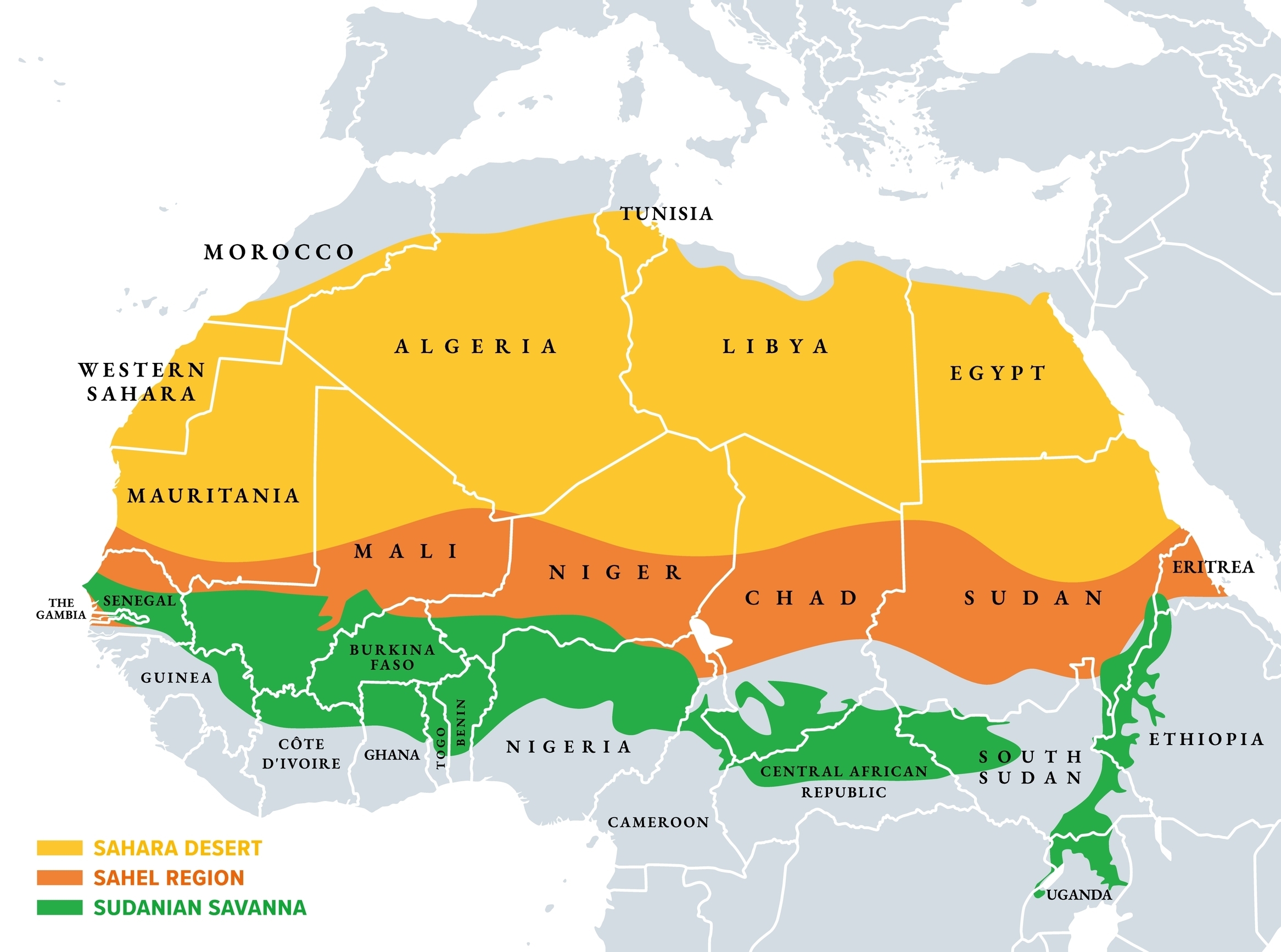
By 2030, the initiative aims to restore 100 million hectares (247 million acres) of currently degraded land, sequestering 250 million tons of carbon from the atmosphere. In theory, this will boost biodiversity and local wildlife, while enriching people's lives by creating "green jobs", providing water security, and fertile farmland.
These are lofty goals, but it's not going perfectly to plan. Many scientists and environmental policy experts have pointed out that progress on the wall has stalled in recent years, throwing serious doubt on whether it will be completed on time just four years from now.
In a 2025 study, a team of researchers analyzed satellite images of Senegal’s section of the wall and found that only one out of 36 planted areas was greener than it would have been naturally. Another update from 2020, over halfway towards its 2030 completion date, found that just 4 percent of its target area had reportedly been restored.
Money troubles
There are also major concerns about the funding of the project. Some $14 billion was raised and pledged to support the Great Green Wall of Africa, but just $2.5 billion had been delivered as of March 2023.
Many argue that the money that does reach Africa doesn’t end up funneling into where it really matters. The New Humanitarian called the project "yet another cautionary tale for the limitations of top-down international aid in Africa," after speaking to workers at several of the project's offices across the continent, many of whom cited funding as their chief concern.
The 2025 study put it like this: “We find that both tree planting activities on the ground and financial pledges at the global level remain in the realm of the ‘spectacular’ – that is, they are intended more for their symbolic than practical value.”
“In contrast to spectacular financial pledges often left unmet and spectacular planting campaigns often yielding low survival, it is the mundane everyday elements of project implementation – employment, gardens, medical care – that have real impact in the eyes of residents. Until the spectacle of ‘spectacular’ finance is transcended, we conclude, Africa’s [Great Green Wall] will remain a mirage,” they conclude.
Like much of global climate finance, the system is riddled with structural problems that choke off funding long before it even reaches people on the ground.