


 Humans
 PUBLISHED



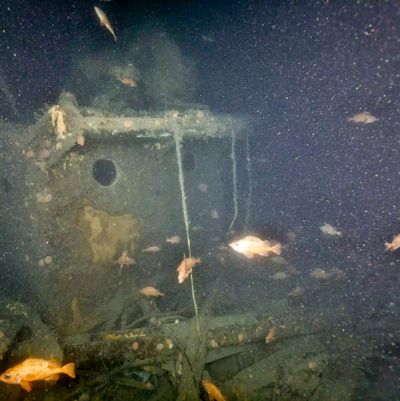


More than a century after Sir Ernest Shackleton's death, researchers have returned to the wreck of his ship, Quest, armed with high-definition cameras and the latest tech. They've captured some of the clearest images yet of the wreck as it sits on the murky seabed, and are now voyaging north to catch sight of another relic from the Heroic Age of Antarctic exploration.
The Quest shipwreck was discovered in 2024 by a team from the Royal Canadian Geographical Society (RCGS) and the Woods Hole Oceanographic Institution at a depth of 390 meters (1,280 feet) in the Labrador Sea along the coast of Newfoundland and Labrador. Sonar images of the wreck were obtained, but little else.
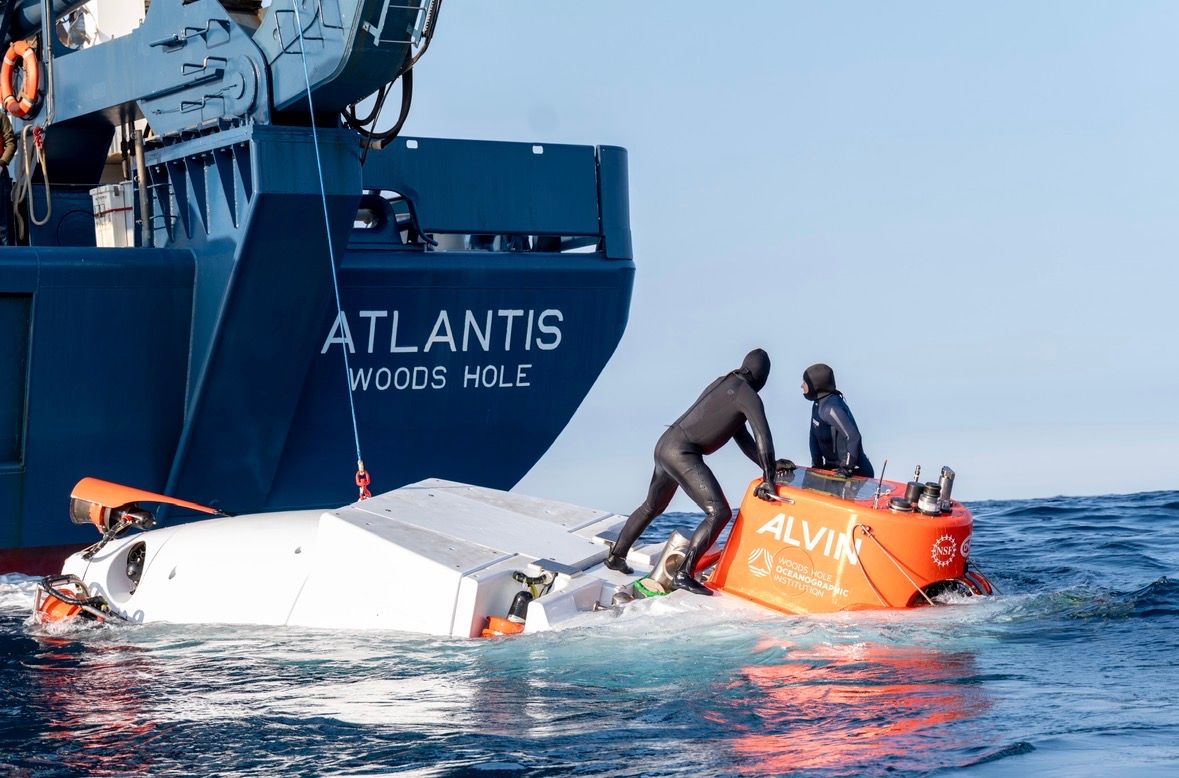
This summer, they’ve returned to these frigid Arctic seas with two subs: a remotely operated submarine and a human-occupied submersible called Alvin, which was the first submersible to ever survey the Titanic.
Deployed from the research vessel Atlantis, the two vehicles surveyed the site using 5.2K video cameras and photogrammetric technology.
"To see Shackleton's ship, and to think that Shackleton was standing on that deck a century ago. At first, there was a lot of darkness, but suddenly the bow emerges as you are going toward it. It's incredible," John Geiger, Expedition Leader and CEO of the RCGS, said in a statement.
Shackleton was aboard the ship when he died of a heart attack in January 1922 at the age of 47. At the time, the ship was anchored at South Georgia, an island in the South Atlantic Ocean, during a journey toward Antarctica.
But following his death, the ship was old and continued its work for several decades. It eventually sank in 1962 in the Arctic off the coast of Canada after being damaged by ice. All the crew were saved and survived.
But it wouldn't be until 60 years later that researchers finally found the wreck. They've now returned once more to capture better images of the legendary ship.
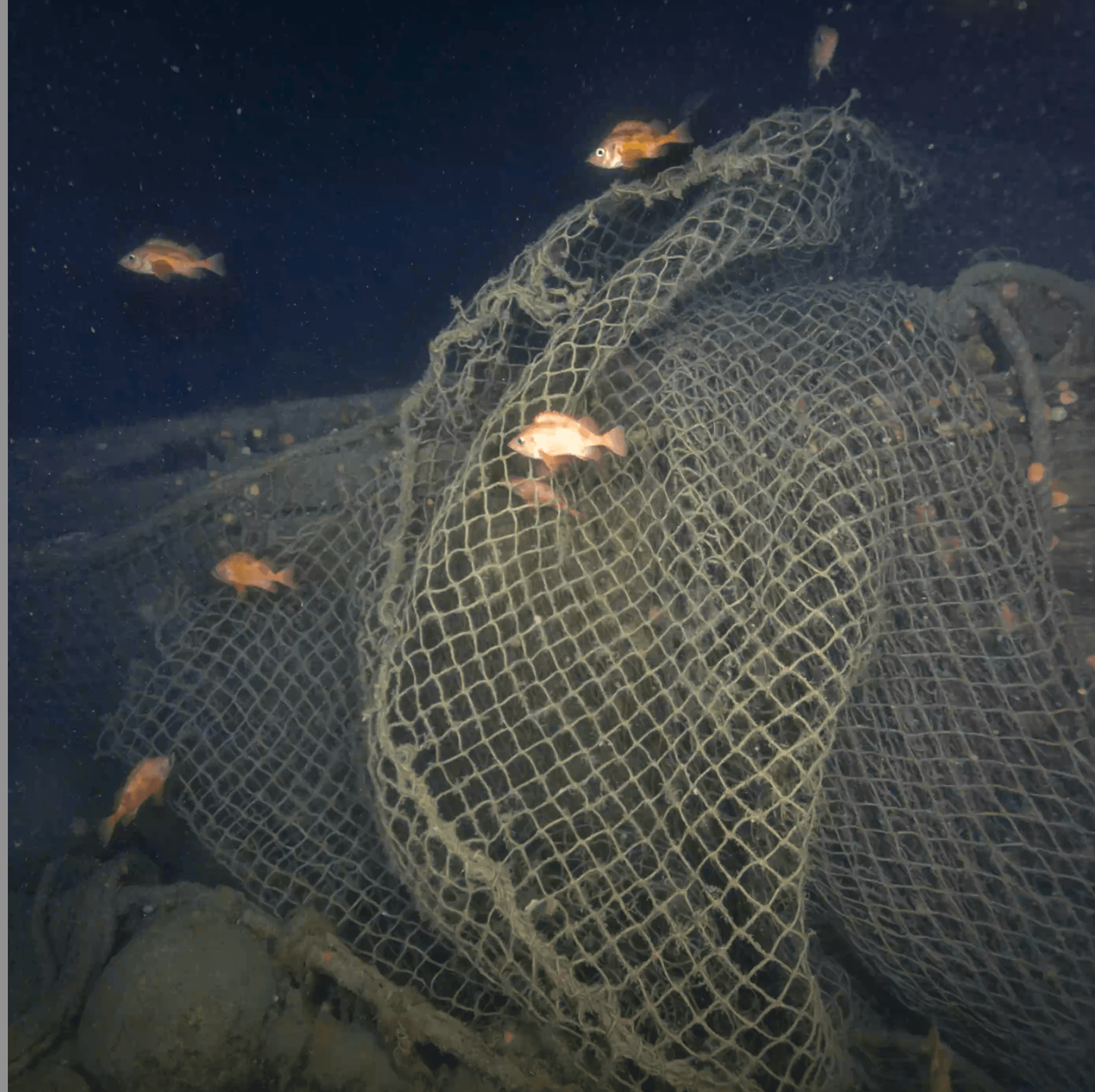
The survey noted the whole site was thriving with pink corals and several species of fish, including cod, redfish, and wolffish. Much of the shipwreck is still intact, except for its main mast, which has been toppled. However, it was clearly showing the strain of being submerged in the sea for 64 years.
"There is a lot of damage to the ship," added Geiger. "The nets are a sad story, limiting our ability to look at the wreck. I think we have to take responsibility for what we are doing to our oceans; that's a huge issue."
Following on from the Quest, the team is now sailing northeast towards Greenland to survey another famous ship wreck from this era: Terra Nova, the last ship of Shackleton’s rival, Robert Falcon Scott.
Scott and his crew sailed the Terra Nova on their quest to be the first team to reach the geographic South Pole. They arrived at their destination in 1912, but they were beaten by a Norwegian party led by Roald Amundsen, who had arrived just five weeks earlier.
As if they hadn’t suffered enough bad luck, Scott’s party of five perished on the return journey. Three of their frozen bodies were discovered eight months later, in November 1912, along with their journals. The surviving members of the crew who had stayed at Cape Adare returned on the Terra Nova.
The ship was later used as a sealing vessel, but eventually sank in 1942 after crashing into ice near Greenland.
Together, the Quest and the Terra Nova represent two of the most storied vessels from the Heroic Age of Antarctic exploration, an era marked by triumph and tragedy. Countless words have been written about both expeditions, but this expedition could fill in some of the blank pages that remain.


 2
2