Nature
 PUBLISHED


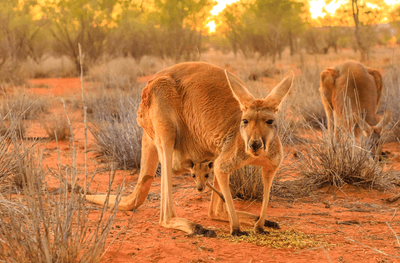


Aussie scientists have uncovered three new species of giant extinct kangaroo that once skipped around the outback of Australia as well as the forested mountains of Tasmania and New Guinea.
The three new species are members of the extinct genus Protemnodon, which lived from around 5 million to 40,000 years ago.
The biggest of the bunch – Protemnodon viator — weighed up to 170 kilograms (374 pounds), twice as much as the largest male red kangaroos of today. The prehistoric giant also lived in similar habitats to the modern species. Its species name “viator” is Latin for “traveler,” owing to the species' long limbs that allowed it to hop efficiently across vast distances.
The researchers also described Protemnodon mamkurra, a thick-boned kangaroo that was so hefty it was bound to four legs most of the time and only briefly hopped like a quokka.
“A large but thick-boned and robust kangaroo, it was probably fairly slow-moving and inefficient. It may have hopped only rarely, perhaps just when startled," Dr Isaac Kerr, study author and kangaroo palaeontologist at Flinders University, said in a statement.
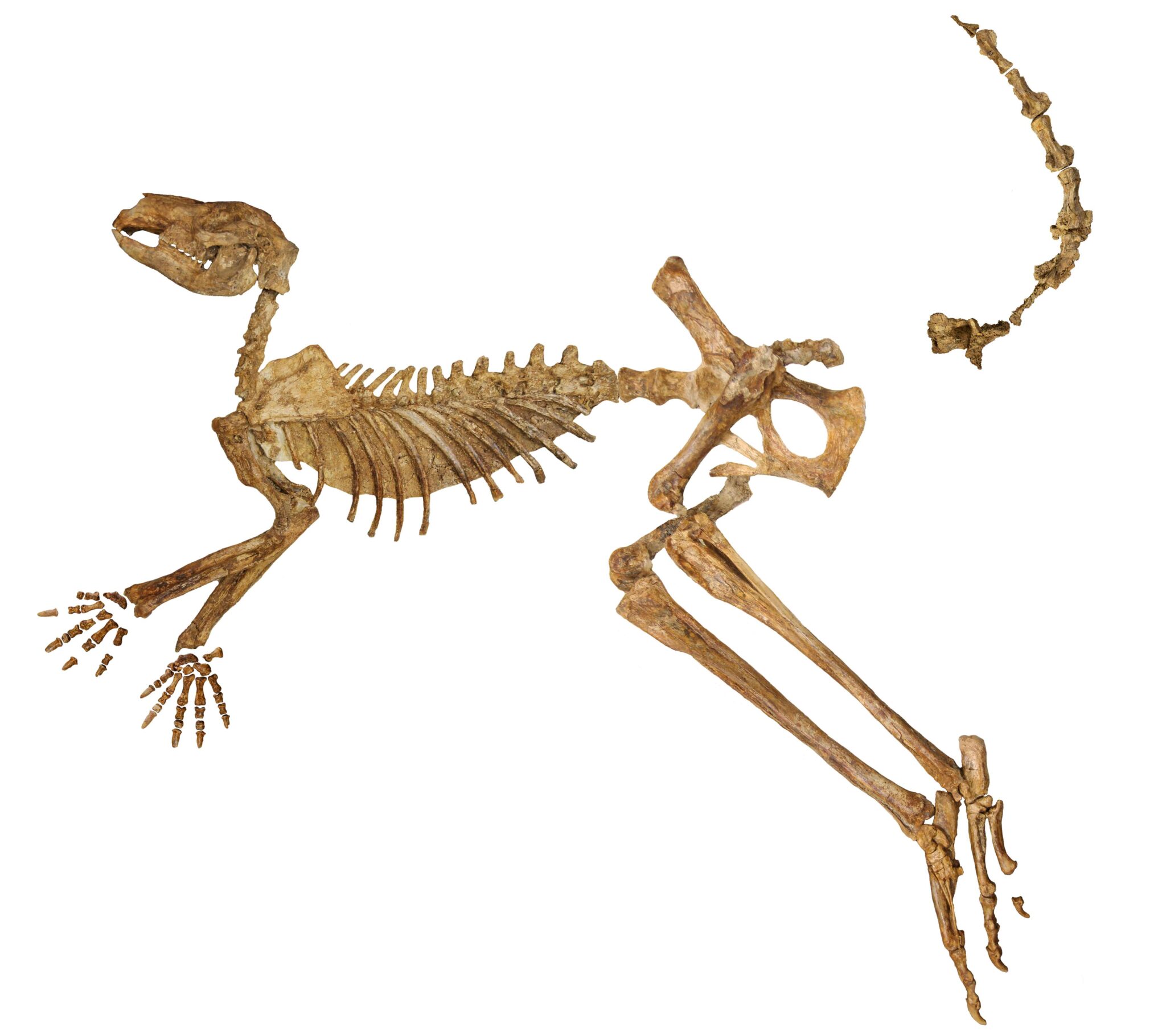
Last but not least, there was Protemnodon dawsonae, another species that the researchers imagine to be a medium-paced dweller of eastern Australia’s forests and woodlands.
They might look like upright deer or overgrown rodents, but kangaroos are part of a separate branch of pouch-bearing mammals known as marsupials, meaning they are more closely related to koalas, opossums, Tasmanian devils, and wombats. More specifically, kangaroos are part of a family of marsupials called Macropodidae, which includes the extinct branch Protemnodon.
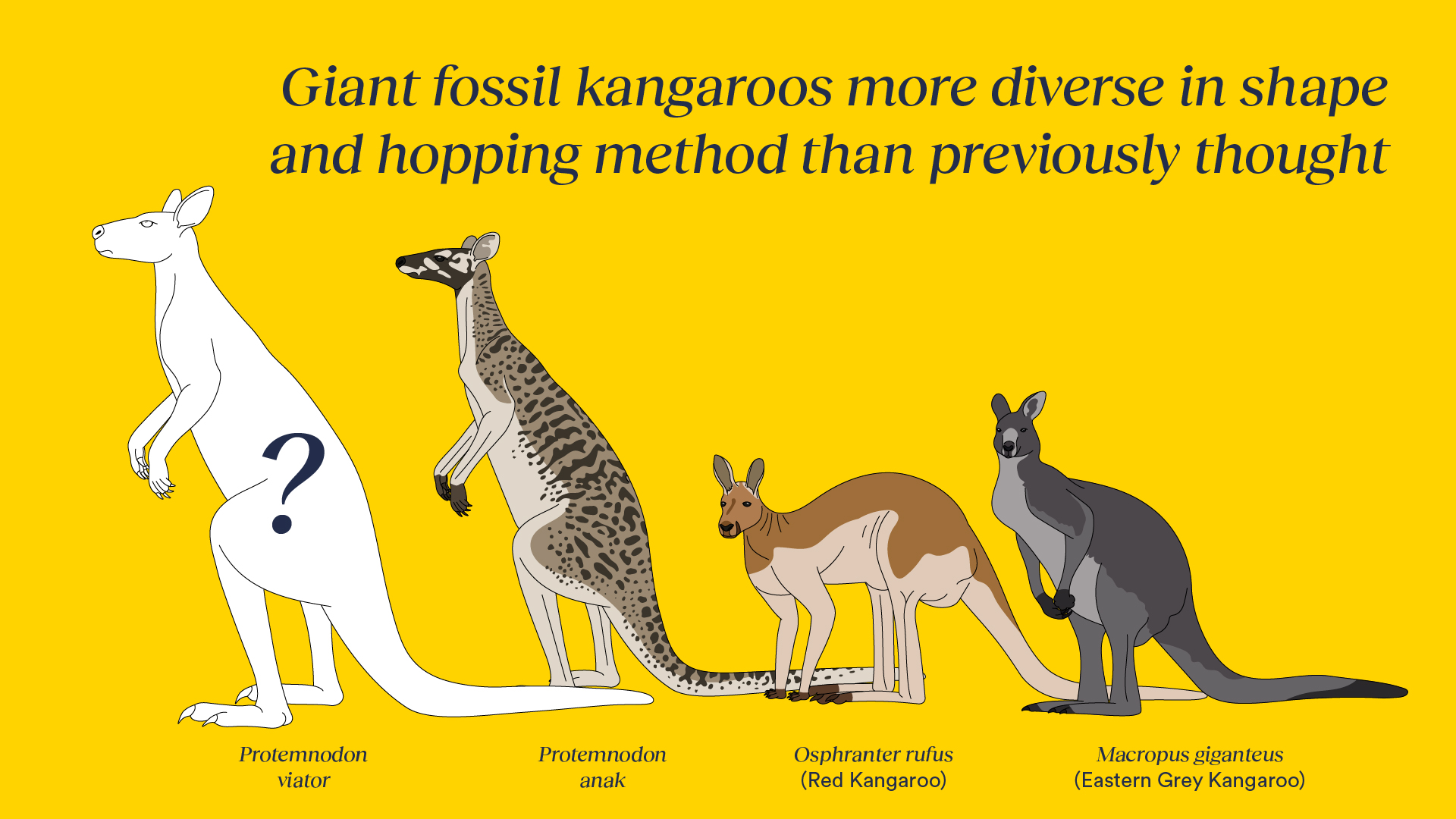
Protemnodon was described in 1874 by Sir Richard Owen, a British palaeontologist who’s most famous for coining the word “dinosaur”. Basing his conclusions on fossilized teeth, Owen split the genus down into six species.
Over the past 150 years, his work has been reworked and built upon. For instance, it’s become evident that some of the animals he thought were distinct were actually the same species. Likewise, there were a handful of species that he failed to recognize.
The latest research reviewed the whole Protemnodon genus using extensive fossil evidence and concluded there are seven known species, each of which was adapted to live in differing environments of prehistoric Australia and New Guinea.
“It’s great to have some clarity on the identities of the species of Protemnodon,” explained Professor Gavin Prideaux, a co-author of the study and professor at Flinders University.
“The fossils of this genus are widespread and they’re found regularly, but more often than not you have no way of being certain which species you’re looking at. This study may help researchers feel more confident when working with Protemnodon.”
The new study is published in the journal Megataxa.