Health and Medicine
 PUBLISHED




It’s a challenging time to be a human. Maybe not the most challenging we’ve ever faced, but we’ll leave that for the historians of the future to debate.
In the here and now, there are myriad issues threatening human health and wellbeing, all of which vie for attention amid the onslaught of 24-hour news and endless scroll of content we subject ourselves to.
Luckily for us, there are experts tasked with cutting through the noise and making sense of it. In a new report from a 37-strong global commission, 17 “catastrophic” health threats are analyzed in detail: what the problems are, just how serious they could get, and how we might tackle them for the remainder of this century.
Two routes to the apocalypse
After sifting through hundreds of potential threats, the commission identified the 17 that pose a “catastrophic” risk.
“Crucially, all 17 threats are interconnected, which is why they must be addressed together, not in isolation,” said co-chair Professor Christopher J. L. Murray, Director of the Institute for Health Metrics and Evaluation at the University of Washington, in a statement.
Two of the 17 rose above the rest: the threat of nuclear conflict, and the risks posed by malicious use of AI. While neither was considered a likely scenario by the experts, they acknowledge that either could potentially lead to the extinction of the human race.
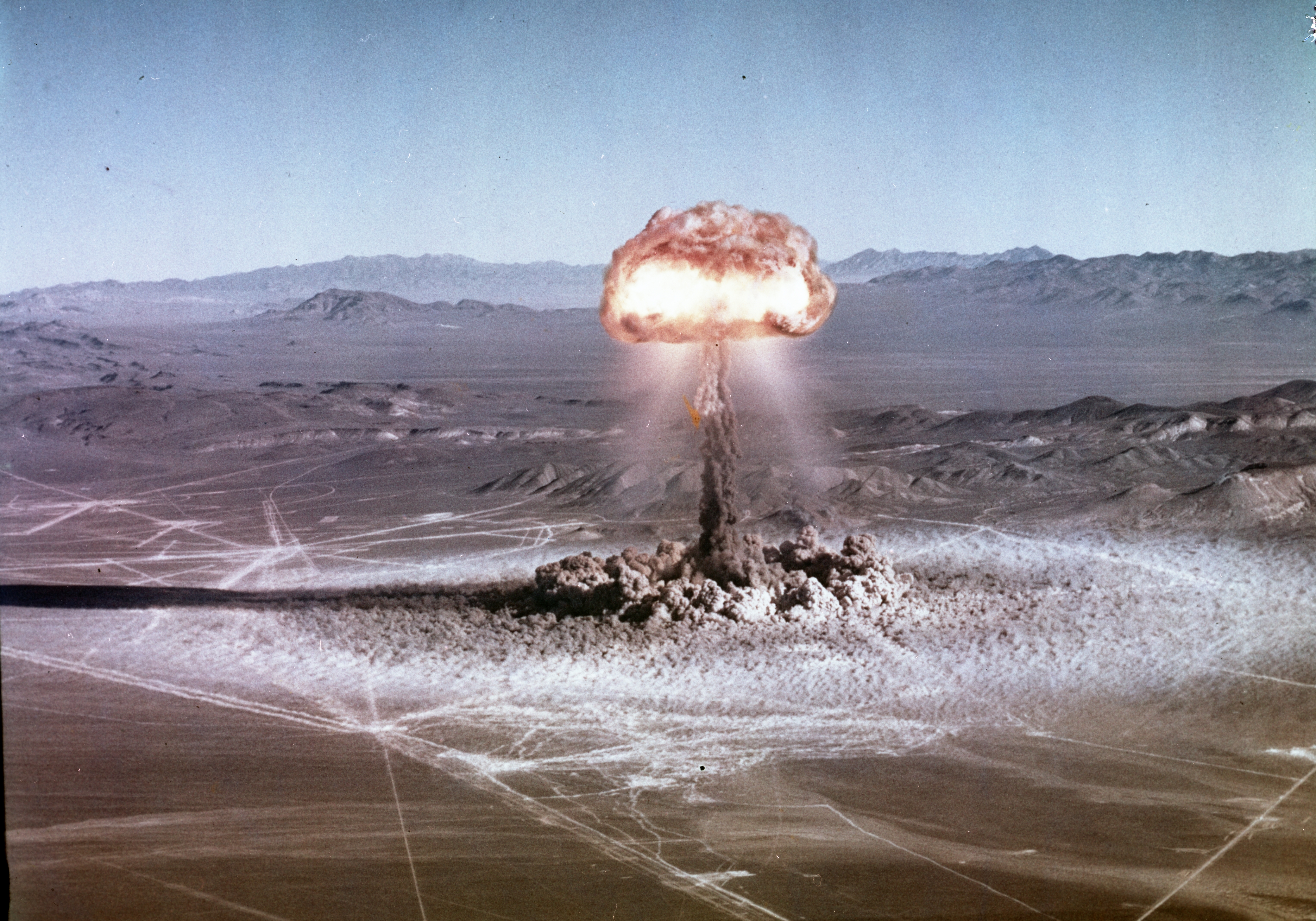
Experts in nuclear weapons have previously warned that the general public is no longer “frightened enough” of the threat they pose – something that would have been unthinkable to many just a few generations ago, when they were living under the constant shadow of the Cold War.
AI, on the other hand, feels like a singularly modern problem.
Those closest to it have gone back and forth over whether it truly poses an existential threat to humanity, and there are some sobering thought experiments on the topic. The impact the broader adoption of the technology will have on the human mind and society as a whole remains an open, hotly debated question.
The top 17 threats the commission identified are summarized below:
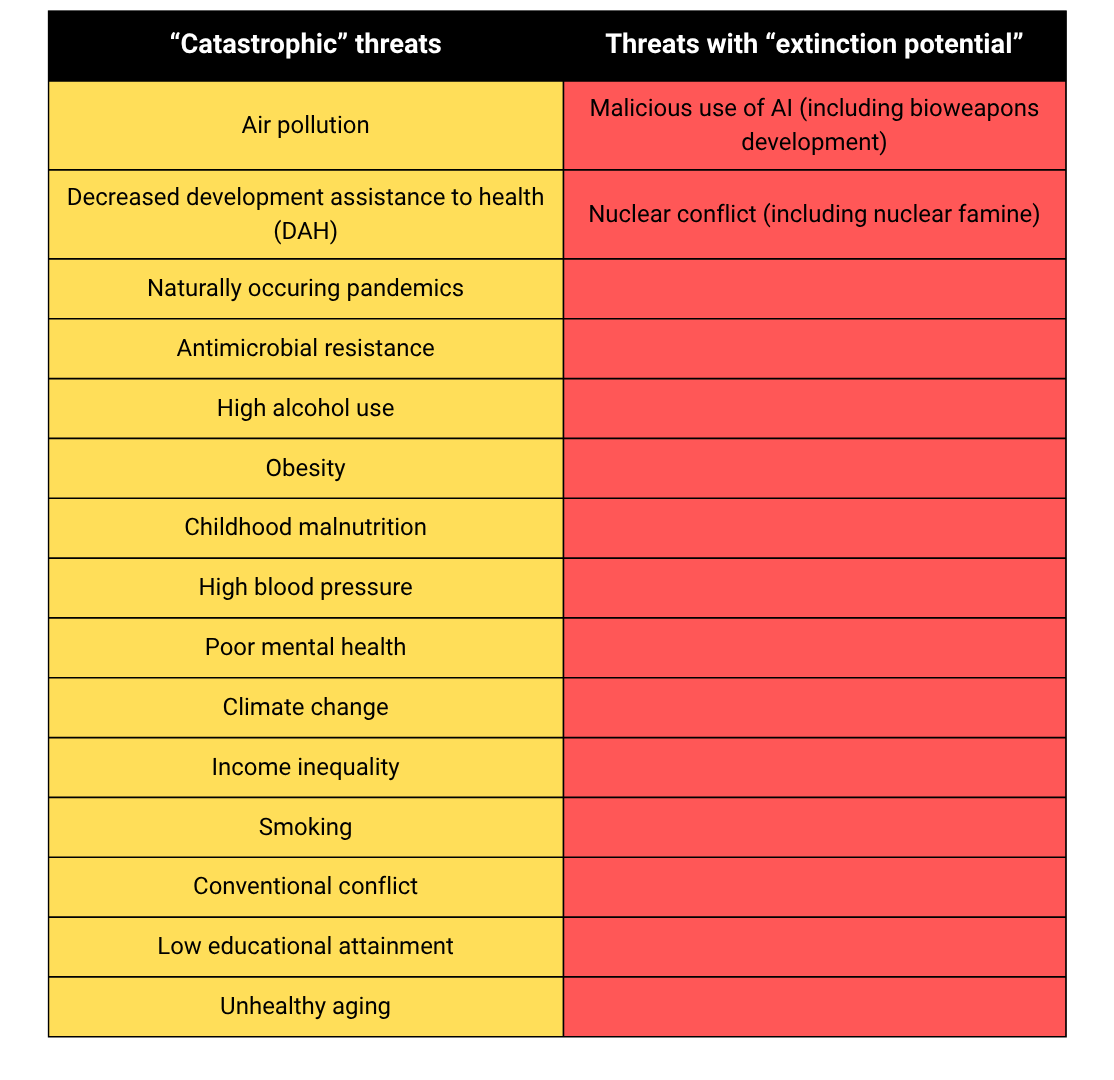
“[The commission] invites us to expand the array of dangers facing humanity, moving from single issues to a broader and more complex landscape of threats, which demands a much more extensive framework for coordinated action,” said Dr Richard Horton, Editor-in-Chief of The Lancet medical journal.
“The jeopardies that face us are multiple. Our solutions need to match that reality.”
As just one example, we’re already seeing the impact of climate instability on human physical and mental health, and not just in direct ways like deaths from extreme heat. Major weather events have interrupted blood supplies; floodwaters after a storm can carry hidden, deadly bacteria; and disease-carrying insects are spreading to new habitats as temperatures become milder.
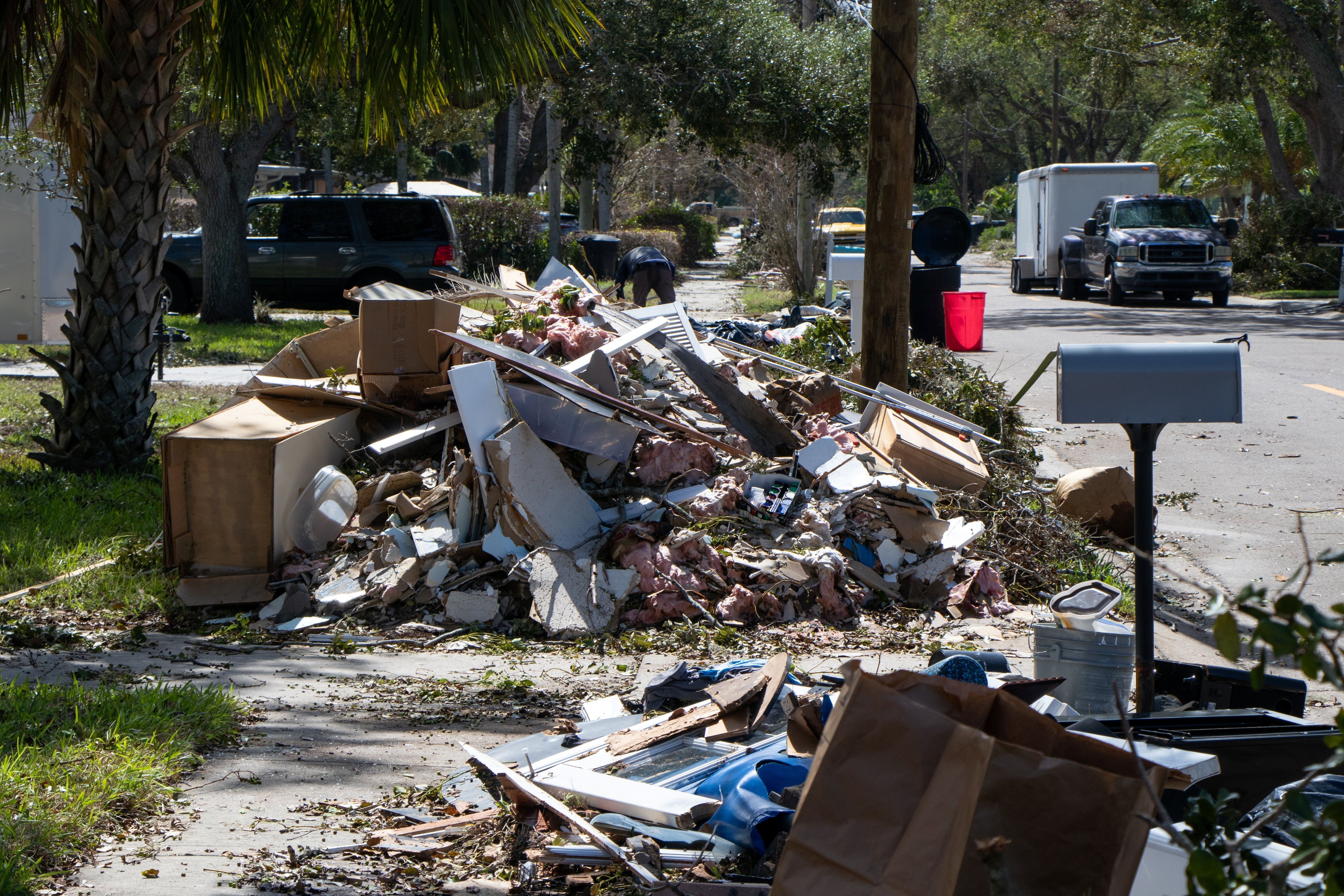
The current “super El Niño” that’s breaking weather records could itself lead to an estimated 451,000 deaths by early 2027, according to one forecast.
As Dr Murray pointed out, these threats do not exist in a vacuum. Inextricably linked with climate change is the problem of air pollution, already known to be responsible for tens of thousands of excess deaths each year. This reality makes the recent decision by the Trump Administration to scrap limits on emissions from coal and gas power plants all the more baffling.
Human activity that increases climate instability, such as deforestation, can also have the knock-on effect of bringing our populations into closer contact with wild animals. That is a recipe for spillover events, where animal diseases make the leap into humans, potentially sparking another pandemic.
And where there’s infectious disease, there’s the growing threat of antimicrobial resistance. In just the next quarter century, it’s been forecast, millions of lives could be threatened by antibiotic-resistant bacteria and drug-resistant fungi if we can’t get a handle on the development of new treatments.
Once you start to pull at one thread, you can see how all of these factors feed into one another.
The authors organized the threats into a pyramid, with the two extinction-level challenges at the top, followed by the remaining 15 major threats. Under those are a further 314 “major risks” and factors classified as the “wider threat landscape”.
The top 17 are forecast to collectively contribute to 1 billion disability-adjusted life years (DALYs) by 2100. This is a widely used measure in public health – one DALY is the equivalent of one lost year of life in full health.
But this fairly grim forecast is only if we do nothing.
A three-part action plan
The commission sets out a three-part agenda for tackling these threats head-on.
The first point is around building readiness: they say global leaders must come together and work on preparedness, with funding support to assist even the most low-resource and marginalized communities.
Secondly, we need to back breakthroughs: investing in scientific innovations that can tackle these threats and taking steps to make them available equitably across the globe. This includes things like new vaccines, drugs, and climate technologies.
And thirdly, the commission highlights the importance of tracking threats: we can’t respond if we don’t know the scale of the problem, so monitoring all these risks is vital.
An accompanying editorial makes the point that this list of 17 is not “a fixed ranking” – things will change, new data will come to light, and breakthroughs will be made. The year 2100 is still a long way off, after all.
But the authors double down on their call for global leaders to get ready. Using climate change as an example, they say that while it’s not currently categorized as an apocalyptic threat, it “could escalate into an extinction threat in subsequent centuries if emissions are not curtailed”
“Recent global events show us just how quickly stability can give way to crisis, and how costly it is to respond only after disaster strikes,” said co-chair Dr Natalia Kanem. “And the global threats to health risk amplifying existing inequalities, with the greatest burden falling on the most vulnerable communities. Yet the future is not inevitable.”
“The Commission makes a compelling case for reshaping the future by embedding foresight into decision-making. Governments and communities must act decisively starting today, to protect health and build a fairer, more peaceful and more secure future for the coming generations.”
The study and editorial are published in The Lancet.