Health and Medicine
 PUBLISHED


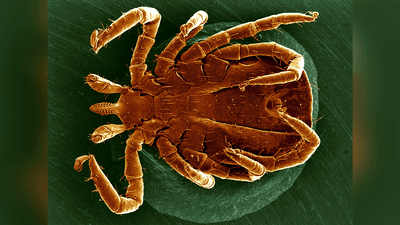


Lyme disease is the most notorious tickborne illness, and you may have also heard of alpha-gal syndrome, in which a tick bite can trigger a lifelong allergy to red meat. But physicians are now raising the alarm about another tickborne illness that's on the rise in parts of North America and calling for greater awareness before it gets too late.
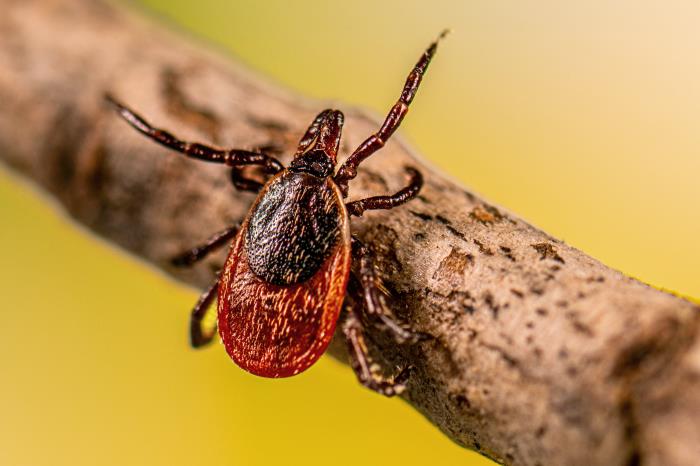
Its name is anaplasmosis. It's primarily spread by the blacklegged tick and the western blacklegged tick, both of which commonly feed on deer and are the main vector for other tickborne nasties like Lyme disease and Powassan virus.
What is anaplasmosis?
Caused by the bacterium Anaplasma phagocytophilum, the infection presents with a vague assembly of flu-like symptoms: fever, chills, weakness, headaches, and gastrointestinal upset. These symptoms emerge without a rush, typically within one to two weeks of being bitten.
Because the bite itself is often painless and the initial symptoms are non-specific, the disease can be easy to miss. However, left untreated, it can progress to far more serious complications, including inflammation of the heart (myocarditis), inflammation of the brain (encephalitis), acute respiratory distress syndrome, and acute kidney failure.
A growing concern in North America
A new case report warns that anaplasmosis is becoming an increasing problem in parts of Canada, as ticks creep into new territory across several provinces, most notably Ontario, along with Quebec and Manitoba. The disease also poses a risk south of the border, particularly in the northeastern and upper midwestern US, and is becoming an increasingly common presence across the eastern half of the country.
Ticks are venturing out of their comfort zones thanks to milder winters and longer summers, which allow them to survive in areas that were once too harsh for them. Additionally, their main hosts – deer and rodents – are expanding their range into populated areas, and ticks are hitching a ride along with them.
In a new case report, doctors in Canada are sounding the alarm following a patient in eastern Ontario who recovered from a serious case of anaplasmosis.
The 79-year-old man, who lived in a rural area of eastern Ontario, visited a local community hospital after falling ill. He had an underlying autoimmune condition and was on immunosuppressive treatment, which is a known risk factor for more severe disease. And the infection did eventually get the better of him, with later tests showing he was suffering from myocarditis
He had no memory of ever being bitten by a tick, though he worked regularly in the woods, where he presumably came into contact with one.
Fortunately, doctors were able to identify the culprit through a combination of tests screening for various infections, including a blood smear and a polymerase chain reaction (PCR) test.
Once diagnosed, he was given a treatment of broad-spectrum antibiotics. He was discharged after eight days, and by the four-month follow-up, all seemed well with no recurring symptoms and normal heart function.
The need for greater awareness
Even with this positive outcome, the doctors say the case underscores the need for greater awareness of anaplasmosis among clinicians.
"As the incidence of tick-borne diseases rises rapidly across Canada [...] considering anaplasmosis as a possible pathogen is increasingly important for front-line clinicians," the case report reads.
"This case highlights the importance of considering tick-borne diseases as part of the infectious workup for patients in endemic regions,” it concludes.
As ever, prevention is the best solution. You should be especially wary of tick bites if you're walking your dog, camping, gardening, or hunting in wooded, brushy environments, or in fields with tall grass. That said, it's entirely possible to pick up ticks in your own backyard or local neighborhood.
Stick to well-trodden paths where you can, and otherwise prepare by wearing long trousers and tucking your socks in (fashion can take a back seat for a while). There are also recommended insect repellents you can use, including DEET, picaridin, IR3535, oil of lemon eucalyptus (OLE), para-menthane-diol (PMD), and 2-undecanone.
Stay safe out there – and stay covered.
The study is published in the Canadian Medical Association Journal.