


 Health and Medicine
 PUBLISHED


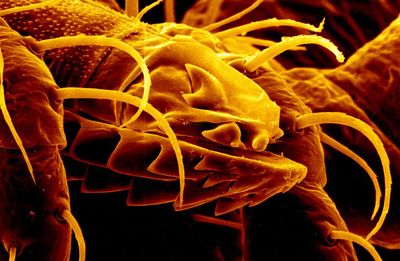


Tick season is well underway across the US, and as always health authorities are urging people to know the signs of potential Lyme disease. But there’s a new kid on the block – a rarer form of the disease caused by a different bacterial species than usual, and it seems to be making inroads to new US states.
The Centers for Disease Control and Prevention (CDC) have published a report on a 2025 case of Lyme disease caused by Borrelia mayonii bacteria in Herkimer County, New York. This marks the first documentation of this particular infection in the state.
Most cases of Lyme disease are caused by Borrelia burgdoferi, a closely related bacterium. It spreads to humans via tick bites, most often the deer or blacklegged tick (Ixodes scapularis). The same is true for B. mayonii, but it had previously only been reported in Minnesota and Wisconsin.
Luckily for us, as well as being spread in the same way, the two bacteria respond to the same antibiotics (at least, for now).
The patient in this case was actually co-infected with another tickborne bacterium at the same time, Anaplasma phagocytophilum, but made a full recovery after treatment with doxycycline. As they had no recent travel history, investigators looked close to home to find the source of the infection and discovered an infected tick nymph in the patient’s backyard.
Infected ticks were also found in the surrounding forest, though a screening of ticks from other New York counties came back negative.
Because there were infected adult ticks in the vicinity, the CDC suggests there is likely an established reservoir for these bacteria in the area, rather than this being a fluke. They explain:
“The higher prevalence of B. mayonii observed in adult ticks (3.9 percent) compared with nymphs (0.7 percent) collected from the same location (the patient’s property) and year suggests the presence of a competent local vertebrate reservoir, such as mice or squirrels, and an established focus of enzootic transmission as opposed to incidental introductions of bird-dispersed infected immature ticks originating from the Midwest.”
What are the signs of Lyme disease?
The symptoms of the two different types of Lyme disease seem quite similar, as the Minnesota Department of Health notes, though there have been so few cases of B. mayonii infection that they’re still being worked out.
Things to look out for are:
- Fever/chills
- Muscle/joint pain
- Headache
- Rash
Lyme disease is often associated with a highly characteristic bullseye-shaped rash, called erythema migrans. Not every person infected will have this sign, but it is common and something to watch for. Remember, too, that rashes and skin lesions look different on lighter versus deeper skin tones.
If you have any of these signs and you know you’ve been bitten by a tick recently, or have been in a location where you could have been, the advice is to seek medical attention. Early treatment is important when dealing with Lyme disease.
There’s currently no vaccine for Lyme disease in humans – there was once, but it was ultimately pulled by the manufacturer amid a messy legal situation and a hefty dollop of antivax misinformation.
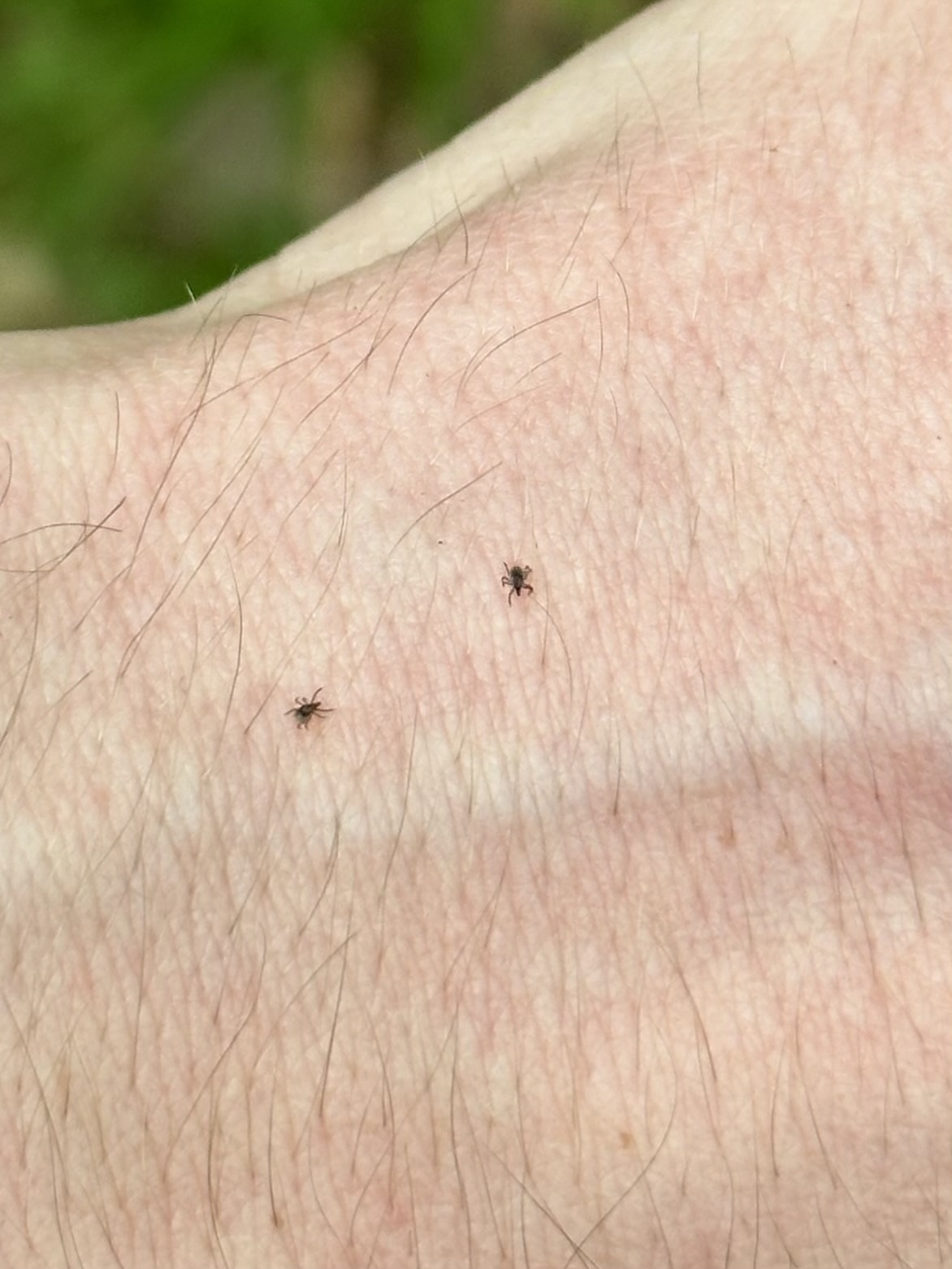
Blacklegged ticks are tiny, about the size of a poppy seed, so you can easily miss them. If you’ve spent time outdoors in wooded areas, especially between March and October (this varies a little by state) when they’re at their peak of activity, you should examine your skin daily to check for ticks. Consider using a tick repellent and wearing clothing that covers more of your skin, and speak to your veterinarian about protection for your pets.
Climate change is altering the behavior of ticks and moving them to new locations, so we can probably expect more of these unusual cases in years to come.
The study is published in the CDC's Morbidity and Mortality Weekly Report.
The content of this article is not intended to be a substitute for professional medical advice, diagnosis, or treatment. Always seek the advice of qualified health providers with questions you may have regarding medical conditions.
[H/T: Gizmodo]


 9
9