Nature
 PUBLISHED
 1
1


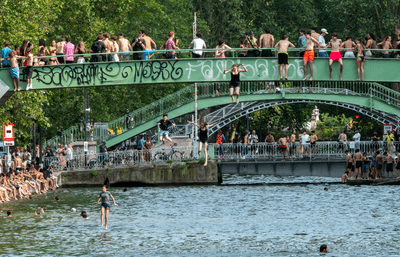


Europe is in the grip of its worst June heatwave on record – and climate scientists say it wouldn't have hit nearly this hard decades ago. The force behind that extra punch, they say, is climate change.
Europe has, of course, had heatwaves before, like the one that scorched the British Isles during the summer of 1976. However, the current situation is a very different beast because the wider trend of rising temperatures has added an extra sting.
Without the influence of climate change, scientists believe a similar heatwave in June would have been 3.5°C (6.3°F) cooler.
“This event would not have been possible in June without climate change,” Dr Theodore Keeping, Extreme Weather and Wildfire Researcher at Imperial College London, told reporters at a media briefing on 25 June.
“The three-day nighttime temperatures would not have been possible at any time of year without climate change,” Keeping added.
The findings come from a new analysis by the World Weather Attribution (WWA), which has examined the three hottest days between June 22 and 29 across different parts of western and central Europe.
Statistics of the June heatwave in Europe
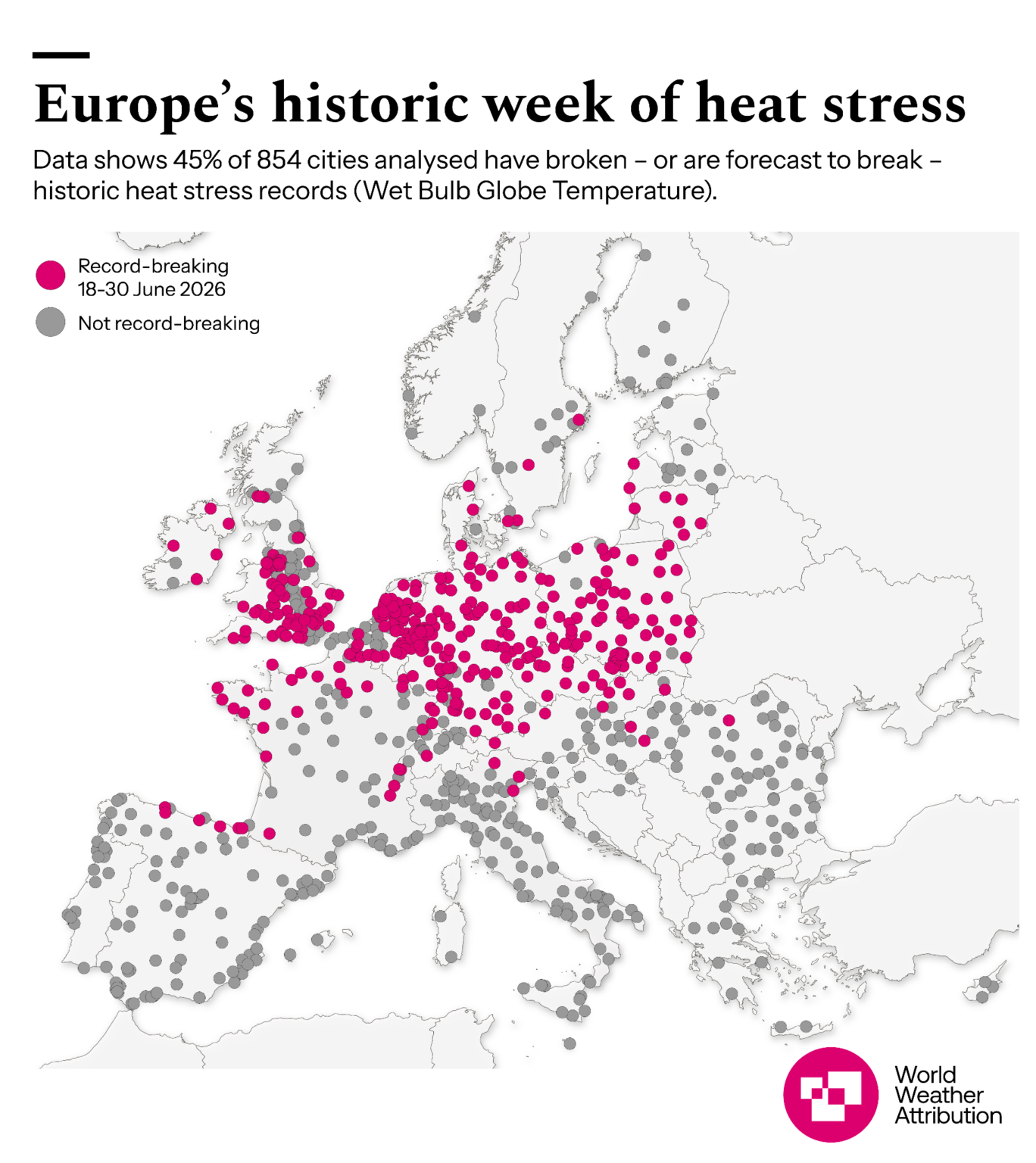
The analysis found that 45 percent of the 854 cities studied had broken, or were forecast to break, historic heat-stress records.
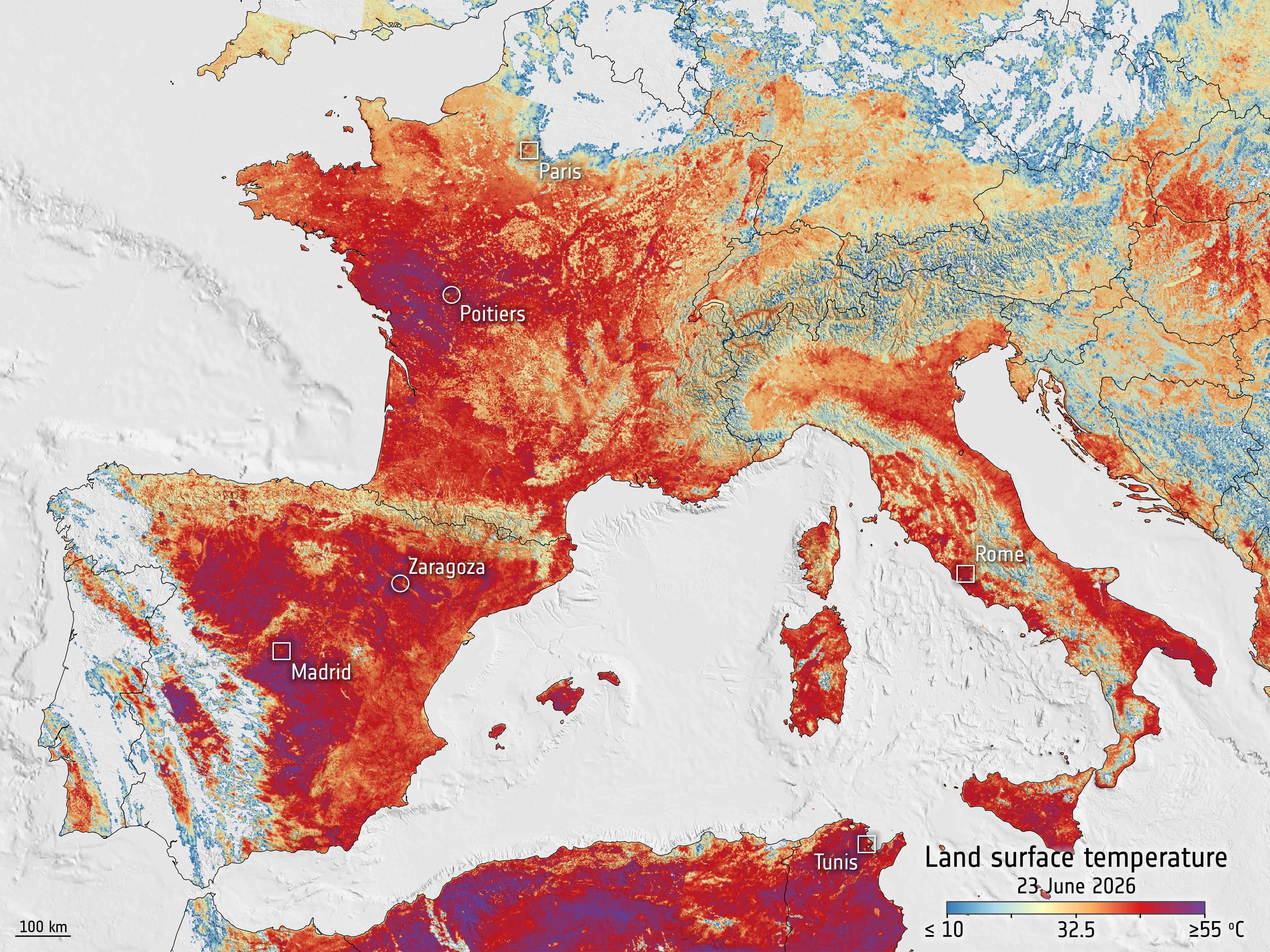
Temperatures across France, Germany, Italy, Spain, and southern England reached 5 to 12°C (9 to 21.6°F) above seasonal averages, while record-breaking temperatures for June were seen elsewhere in the UK, Ireland, Denmark, Sweden, Poland, Czechia, and more.
The scorching temperatures are especially unusual given that June is not the hottest month in Western Europe.
All of this is likely to take a huge toll on human life. During the summer of 2022, more than 60,000 people across Europe died as a result of extreme heat. While this year's figures are yet to come in, we can expect the death toll to climb into the thousands once again.
What's driving the heatwave?
The current heatwave is being driven by a "heat dome", a persistent patch of high pressure surrounded by low-pressure systems that traps heat. Much of this heat originated in North Africa before moving north to settle over the European continent.
Humidity is adding fuel to the fire, worsening heat stress and limiting the body's ability to cool itself through sweat evaporation.
In sum, Europe is like a hot, sweaty greenhouse right now.
The analysis found that the recently emerged El Niño, which influences weather patterns across the globe, played no role in driving the heat.
The only way to fully explain this ongoing heatwave, the researchers say, is the influence of greenhouse gas emissions on the planet’s climate. Since human action is ultimately to blame, it does suggest we have the agency to address the problem. Whether we will, however, remains to be seen.
“Scientists like me are beginning to sound like a broken record. We put out similar quotes year after year reacting to heat extremes that climb ever higher. Yes this is climate change, yes it’s us, no it’s not El Niño, yes we have the solutions, no we’re not implementing them fast enough,” Professor Friederike Otto, Professor of Climate Science at Imperial College London, said in a statement seen by IFLScience.
“It’s really now a question of what kind of future we want for ourselves, and whether we’re willing to do what it takes to secure it.”