Humans
 PUBLISHED





This week an invaluable rare metal has been found in China, geologists may have found the ancient remains of an unknown mega-plate, and NASA's asteroid unboxing reveals Bennu contains carbon and water. Finally, we weigh in on the age-old debate, is it octopi, octopodes, or octopuses?
Subscribe to the IFLScience newsletter for all the biggest science news delivered straight to your inbox every Wednesday and Saturday.
Asteroid 33 Polyhymnia May Contain Elements Outside The Periodic Table
Some asteroids are dense. So dense in fact, that they may contain heavy elements outside of the periodic table, according to a new study on mass density. Looking at elements still within the periodic table, a team of physicists could not find elements with high enough mass densities to explain what has been observed of asteroid 33 Polyhymnia. Read the full story here
A New Ore Containing Invaluable Rare Metal Has Been Found In China
Geologists in China have unearthed a new type of ore that’s rich in niobium, a much-prized metal with superconductive properties used in everything from steel production to jet engines and particle accelerators. Dubbed niobobaotite, the ore was recently discovered in Inner Mongolia, according to an announcement in which they explained that the ore is rich in barium, titanium, iron, chlorine, and – most excitingly – niobium. Read the full story here
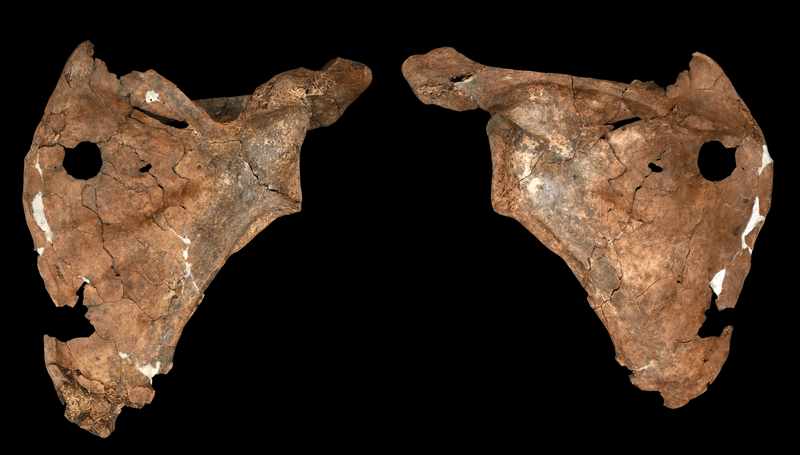
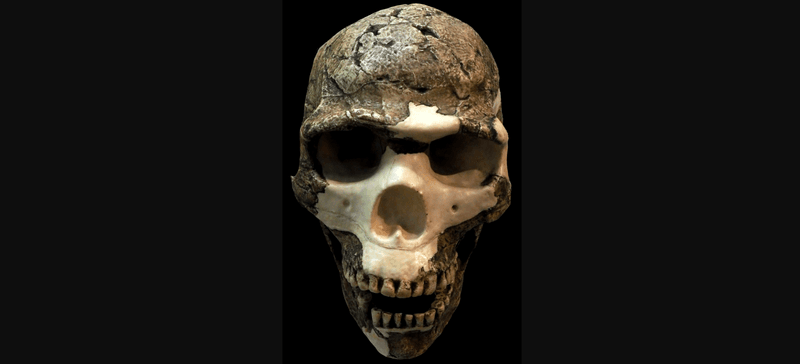
First Clear Evidence Of Neanderthals Hunting Lions Shows They Were Not Boneheads
A fancy fur pelt and some unusual bone markings have provided the first direct evidence of Neanderthals hunting dangerous cave lions. Not only that, but the artifacts also signify the earliest direct instance of a large predator kill in human history. Read the full story here
Geologists Surprised To Find Remains Of An Ancient Unknown Mega-Plate
Geologists have reconstructed an ancient and previously unknown tectonic plate, thought to once have been a quarter of the size of the Pacific Ocean. Reconstructing plate movements between Japan and New Zealand using geological data, they found that the ancient plate that was once there would have been gigantic before it disappeared. Read the full story here
Asteroid Unboxing Reveals Bennu Is Rich In Carbon And Contains Water
Less than a day after opening the OSIRIS-Rex sample collected from asteroid Bennu, NASA released the first results, reporting the sample is high in carbon, as well as containing significant water. More detailed analyses will investigate the molecules in which these two vital components for life are combined. Read the full story here
TWIS is published weekly on our Linkedin page, join us there for even more content.
Feature of the week:
Octopi, Octopodes Or Octopuses? What's The Correct Plural For Octopus?
With a name that comes from the Latinized form of the Greek word októpus, meaning “eight foot”, the acceptable plural for everyone’s favorite cephalopod is still hotly debated. Just when you thought these eight-limbed weirdos couldn’t get more confusing. Read the full story here
More content:
Check out season 3 of IFLScience's The Big Questions Podcast, so far we've asked:
• How Is Climate Change Affecting Polar Bear Populations?
• Why Is Space Junk Such A Big Deal?
• Can We Save A Species On The Very Brink Of Extinction?
• How Does A Quantum Computer Work And How Will They Change The World?
• What Is Space Weather And How Does It Affect Us?
• What Is Ancient Ice Telling Us About The Future?
• Are E-Fuels The Future Of Aviation?
• How Are Glaciers Changing In A Warming World?
• Are We Ready For The Next Massive Solar Flare?
PLUS, have you seen our free e-magazine, CURIOUS? Issue 15 October 2023 is out now. Check it out for exclusive interviews, book excerpts, long reads, and more
PLUS, join us for our first-ever free virtual festival of science, CURIOUS Live. Streaming online on October 21, 2023, we have a line-up of fascinating experts discussing all things Life, Death, and Creation (y'know, the small stuff) across three festival "stages". Sign up now to find out more and secure your spot.