Nature
 PUBLISHED


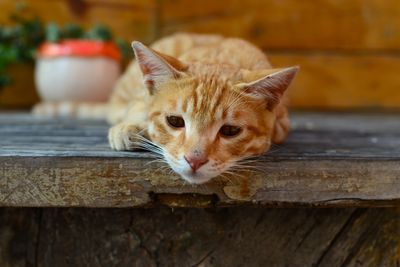


As any pet owner will tell you, the loss of a furry friend can be totally devastating but what about the other way round? Well, new research has looked deeper into the emotional responses of our feline companions when other pets in the household pass away and asks the question: do cats grieve?
Researchers conducted a survey on hundreds of cat owners about the response from their pets when another animal (either a cat or a dog) in the household died. Over 400 people took part in the survey, which revealed striking similarities between cat behavior and what most people would consider mourning.
The survey showed that for more positive relationships between the companion animal and the pet that died, there was a decrease in playing, sleeping, and eating in the companion after the death. The results also revealed that the more time the companion animal had lived with the deceased, the more the owners felt that the surviving pet sought out attention from them after the other pet passed away.
In another sad turn, the caregivers who themselves experienced a high level of grief were more likely to report increases in sleep, time spent alone, and hiding behavior in the surviving pet after the death.
The team suggests caution when attributing human emotions onto animals, for instance they could be playing less because they no longer have another pet to play with.
In the wider animal world, elephants, dolphins, and chimpanzees have all been found to be affected by the death of an animal within their group, with some suggestion that elephants may even hold funerals.
Overall, the team conclude that cats may experience the loss of another pet in the household in a similar manner to dogs, seeking out human contact more often. The authors suggest that this could lead to changes in the idea that cats are aloof and antisocial.
"For me, the most compelling finding is that when cats were reported to change their behavior in ways that would be consistent with what we would expect for grief,” Jennifer Vonk, an Oakland University psychology professor who co-authored the paper, told NPR, “it’s predicted by things like the length of time that the animals lived together or the amount of time that they had spent together engaged in various activities or the quality of their relationships.”
"Maybe it’s more likely than I thought before that cats do have those feelings."
The paper is published in Applied Animal Behaviour Science.


 1
1