Nature
 PUBLISHED


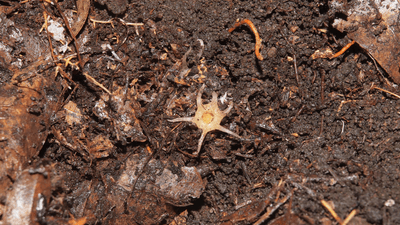


Looking at a fairy lantern, you might not realise it’s a plant. These ghostly white botanical specimens haunt the forest floor putting on spooky bioluminescent displays, and now we’ve got a whole new genus to add to the list.
A genus is a taxonomic category that groups together species. It represents a whole group, rather than an individual, so finding a new genus of anything is pretty big news. In fact, nobody’s found a new genus of plants in Japan in almost 100 years, which makes the discovery of a new group of fairy lanterns very exciting indeed.
Part of the reason fairy lanterns look so alien is because, unlike a lot of plants, they don’t photosynthesize. That means they lack that classic, jolly chlorophyll green, instead looking like a blob of pickled asparagus.
They can get away with being so ghostly pale because they get their energy from feeding on fungal mycelia in the soil. This is why they’re most commonly found lurking under fallen leaves, spending most of their time hardly visible at all as their flowers only briefly poke up surface-side.
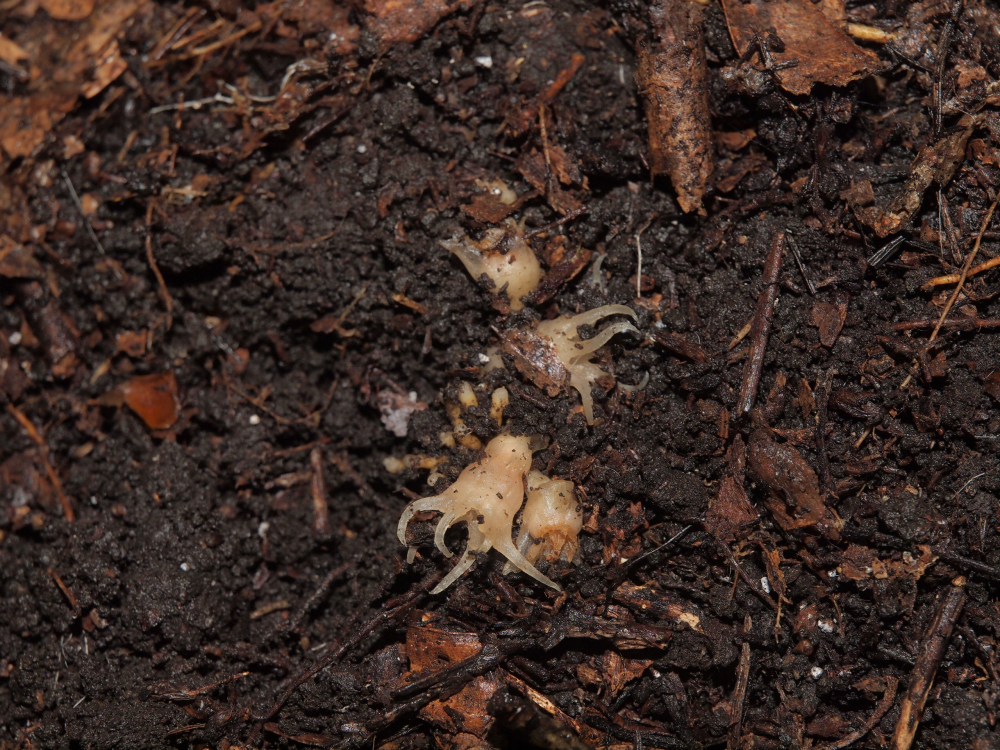
Fairy lanterns are known as Thismiaceae, but the Japanese name for one of the major groups in the family is “Tanuki-no-shokudai,” roughly translating to “raccoon dog’s candleholder”. Despite their name, raccoon dogs (Nyctereutes procyonoides) are most closely related to foxes, and as for their candle habits? Never you mind.
These plants’ elusive lifestyle means finding them is very rare as they’re so difficult to spot, but now we have a whole new genus to add to the list of known fairy lanterns. Its discovery came about thanks to a hobby botanist who found a fairy lantern that a local expert suspected might be a new genus of Tanuki-no-shokudai.
“At present, approximately 100 species within the family have been identified, nearly half of which are known only from their first discovery, sometimes from a single specimen,” explained Kobe University botanist Suetsugu Kenji, an internationally renowned expert on non-photosynthetic plants, in a statement. “The dedication of Japanese amateur researchers to revealing the hidden flora of these regions has been crucial in identifying species unknown to science.”
After receiving the specimen in the post, it was evident it had unique features that set it apart from the other genera, so the researchers went in search of a living specimen. They travelled to Kimotsuki in Kagoshima Prefecture, where the discovery had been made, but the first year had no luck. A second trip proved to be more successful, as they discovered four more plants in the same narrow strip as the original discovery.
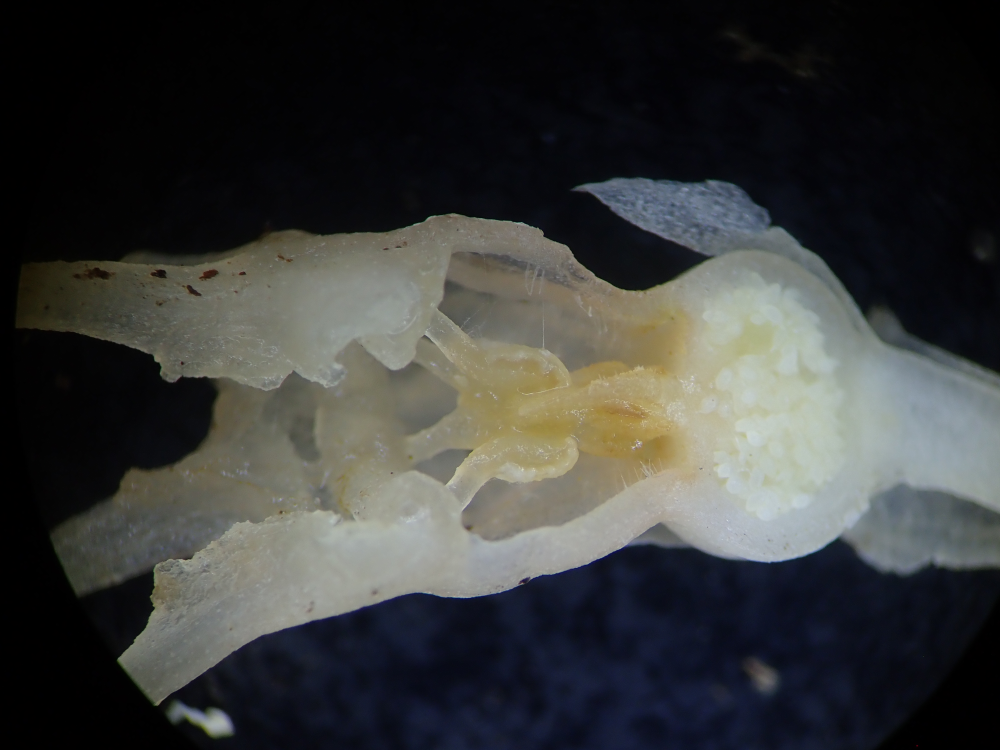
The new genus is believed to have diverged at an earlier stage in the evolution of Thismiaceae and has been named “Mujina-no-shokudai,” or “badger’s candleholder”. Its Latin name is Relictithismia kimotsukiensis, which can be translated as “Thismia relict of Kimotsuki.”
“Japan is one of the regions in the world where botanical surveys are most advanced, making the discovery of new plant species extremely rare, and the discovery of a new genus even more so,” added Suetsugu. “This research might suggest that many other new species may be hiding in regions previously thought to be well-studied and underscores the critical need for ongoing exploration and investigation of the planet’s flora both abroad and at home.”
The study is published in the Journal Of Plant Research.