Nature
 PUBLISHED
 1
1


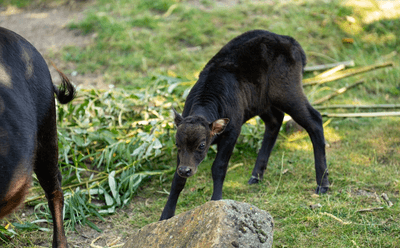


Picture a buffalo, and you probably imagine a hulking beast with proud horns and a beefy body. But then there's the anoa, the world's smallest buffalo species. A newborn of this micro-sized species has just been born at Chester Zoo in the UK, weighing just 7 kilograms and standing around 50 centimeters (less than 20 inches) tall.
The tiny calf is a female named "Mentari," which means "the sun" in Malay. She was born in July 2026 to her mother, Darcy, both of whom are doing well after the 10-month pregnancy,
“Mum Darcy and her new baby are doing brilliantly. After spending her first couple of weeks bonding with mum in the safety of their cosy den, the little one has grown in strength and confidence and is now beginning to explore the outside world,” Emma Evison, Team Manager at the zoo, said in a statement sent to IFLScience.
“She’s already showing plenty of personality and seeing her take those first steps outside is a real privilege – it’s something very few people will ever get the chance to witness."
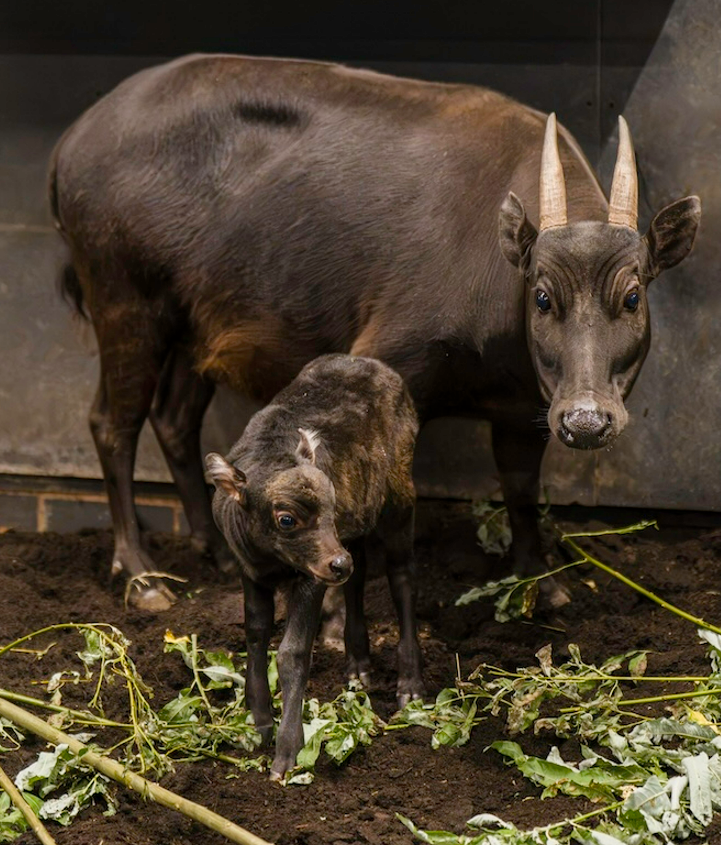
WTF are anoa?
Also known as dwarf buffalo, anoa are native to Sulawesi, an island in Indonesia that’s coincidentally home to a collection of incredibly old rock art.
They're divided into two kinds – mountain anoa (Bubalus quarlesi) and lowland anoa (Bubalus depressicornis) – though experts disagree on whether these are truly separate species or simply different populations or subspecies.
Adult mountain anoa stand at a diminutive (for a buffalo) 70 centimeters (28 inches) at the shoulder, while lowland anoa are slightly larger at 90 cm (35 inches). Both can weigh between 150 and 300 kilograms (330-660 pounds).
Mentari belongs to the latter, typically found in the island's undisturbed lowland forests, munching on plants and resting in the shade.
Unfortunately, this habitat is under massive strain, and the animals are poached by local people for their hides, horns, and meat. As a result of this pressure, both species/subspecies of anoa are endangered under the IUCN Red List, with fewer than 2,500 believed to remain in the wild.
Promising news, uncertain future
Mentari isn't the first of her kind to be born at Chester Zoo. Back in 2024, the zoo welcomed another newborn named Kasimbar.
All of this is great news for the conservation of this threatened micro-buffalo, but they certainly aren’t out of the woods yet.
“Every anoa birth is hugely important for the future of this endangered species," said Evison.
"Across the European conservation breeding programme, our scientists here at Chester Zoo monitor the fertility and pregnancies of anoas, helping to build a healthy, genetically diverse population and giving this remarkable species the best possible chance of survival.