Nature
 PUBLISHED


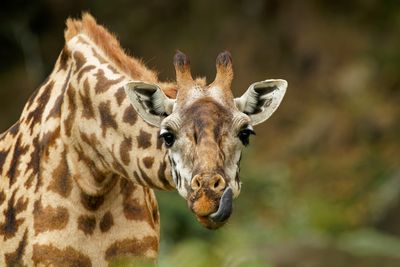


Brightly colored body parts are fairly commonplace in the animal world – beautiful feathers, amazing feet and even stand-out eye colors. But what about the tongue? We take a closer look inside a giraffe’s mouth to work out what is going on with their purple tongues.
There are four internationally recognized species of giraffes that all call the continent of Africa home. They are the Masai, northern, reticulated, and southern. Giraffes spend much of their time eating leaves, shoots, and flowers from tall trees. Acacia, mimosa, and wild apricot trees are their favorites. In fact, these animals can spend up to 12 hours a day feeding.
To help them they have extremely long, dexterous tongues measuring 45-50 centimeters (17.7-19.6 inches) that can pick the leaves off branches and avoid the thorns. These tongues are a dark purple color, often appearing black and covered in thickened papillae to protect from thorns.
It's commonly thought that the dark color helps protect the tongue from sunburn while eating and is due to the high density of the pigment melanin, or more specifically eumelanin, in the skin. A lack of this pigment results in albino or leucistic individuals that often appear either totally white or with white patches on their skin or fur.
However, this theory is the subject of much debate. The giraffe’s cousin the okapi has a similar lifestyle but lives in the thick vegetation and rainforest cover of the Democratic Republic of the Congo; their tongues are also dark purple, suggesting that there might be more to this trait than first thought. Although, okapis actually often feed in light gaps in the forest, leading some to believe that they share a tongue color with giraffes for exactly the same reason – to protect the skin from harmful UV rays.
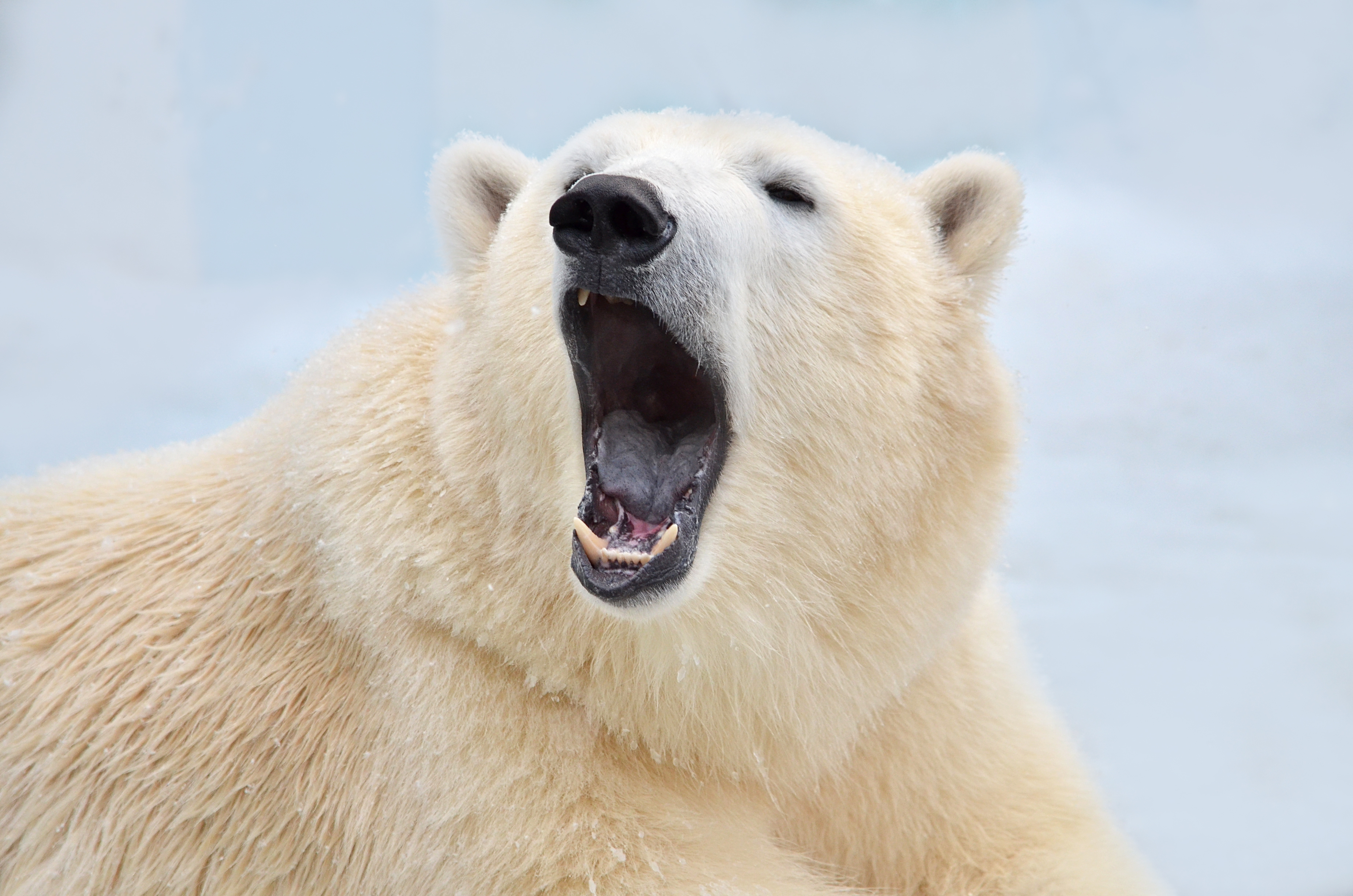
In polar bears, the cubs are born with pink tongues that slowly turn dark blue/purple as the bear ages. The skin of a polar bear is black underneath all that white-looking fur, helping to absorb heat from the Sun while also being protected from the harmful UV radiation like the giraffes.
Other species with funky-colored tongues include the blue-tongued skink from the genus Tiliqua, which they display when they feel threatened. Scientists aren’t sure whether the blue tongue is an anti-predator defence in itself or whether it acts as a signal for other nearby skinks over long distances.