Nature
 PUBLISHED





What you'll discover in this article
- On July 22, a wildfire in West Kalimantan, Indonesia, closed in on the YIARI's Orangutan Rehabilitation Centre.
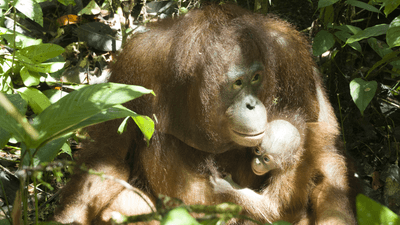
- Forests in the region are home to over 5000 Critically Endangered wild Bornean orangutans, approximately 10 percent of the remaining population.
- As International Animal Rescue CEO Gavin Bruce told IFLScience, "Years of successful conservation work can be undone incredibly quickly by a major fire".
The orangutans living in the forests of West Kalimantan, Indonesia, are fighting for their lives.
Home to the YIARI Orangutan Rehabilitation Centre, these forests provide the vital habitat in which rescued animals learn and practice the skills they need to survive in the wild. A fight for survival that is now threatened by wildfires sweeping through the region.
What was once a safe haven for 5,000 Critically Endangered wild Bornean orangutans (representing around 10 percent of the remaining population) has been transformed by El Niño-induced fires.
As 2026 enters what is predicted to be a “super El Niño”, International Animal Rescue (IAR) has launched an urgent appeal to protect the decades of work to rewild these orangutans that could soon be wiped out.
In previous El Niño years, we have seen thousands of hectares of forest lost to wildfires and many orangutans, and other animals, displaced.
Gavin Bruce
“The increasingly hot and dry conditions have created an extremely worrying situation for our partners YIARI and Dr Karmelle [Llano Sanchez’s] team at YIARI’s Orangutan Rehabilitation Centre in Ketapang, West Kalimantan,” said IAR CEO Gavin Bruce to IFLScience.
“A recent forest fire came within just one kilometre of the centre and threatened the surrounding forest.”
“While that fire was brought under control and all the orangutans remained safe, it was a stark warning of how vulnerable the area is.”
The fire, first detected on July 22, was fought with water bombing aircraft and ground crews that brought it under control before it could reach the rehabilitation center. That relief, however, is short-lived as scientists have already warned that a super El Niño could bring hotter and drier weather later this year.
The perfect conditions for more wildfires.
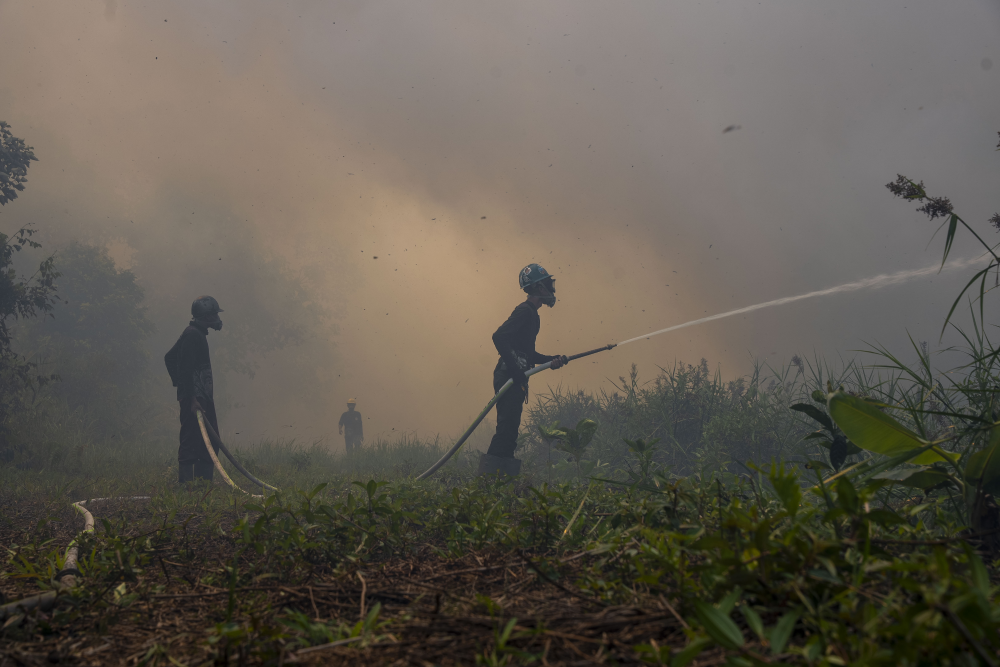
“Years of successful conservation work can be undone incredibly quickly by a major fire,” said Bruce.
“In previous El Niño years, we have seen thousands of hectares of forest lost to wildfires and many orangutans, and other animals, displaced. These ecosystems are already disturbed and vulnerable, it is essential that we do what we can to protect them and build resilience.”
Protecting orangutans isn't only about responding when a fire reaches their doorstep; it's about making sure there is still a forest for them to call home in the future.
Gavin Bruce
The effects of the fire reach beyond the initial destruction. The subsequent smoke and air pollution can have serious consequences for both the health of wildlife and humans, especially children, the elderly, pregnant people, and individuals with respiratory conditions.
For all these reasons and more, says Bruce, preventing and containing fires before they spread is of critical importance. But we are not powerless in this fight.
“The technology has advanced, such as the use of thermal imaging on drones to detect hotspots early,” said Bruce. “The team on the front line is dedicated and fearless - determined to do all they can to be ready.”
“What we can all do is make sure that they have the training and equipment that they need to do what they can to protect the rescue centre and the surrounding orangutan habitat.”
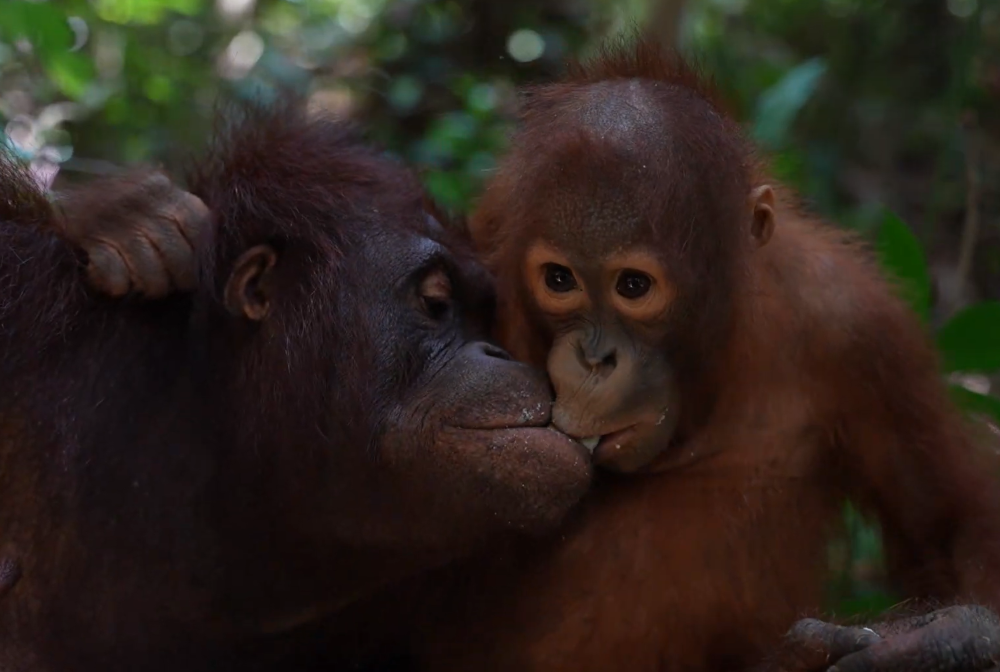
IAR and YIARI have established an urgent fire crisis fund, but stress that support is needed beyond the immediate emergency. Once the fires have extinguished, a new challenge begins in restoring the forests these orangutans depend on.
August 19 marks World Orangutan Day, an opportunity for all of us to raise awareness.
“Sharing our work, talking about the threats facing orangutans and donating if you are able all make a difference,” said Bruce. “Protecting orangutans isn't only about responding when a fire reaches their doorstep; it's about making sure there is still a forest for them to call home in the future.”