Humans
 PUBLISHED



This week, a new study suggests that despite living on separate continents, human populations have followed similar patterns of evolution since the onset of the Neolithic period, most Bronze Age artifacts appear to be made of metal that had only recently come to Earth, and a new approach to cryopreservation has proven it is possible to revive function in brain tissue that’s been preserved in a glass-like state. Finally, we explore why people thought the Large Hadron Collider could destroy the world.
Create an IFLScience account to get all the biggest science news delivered straight to your inbox every Wednesday and Saturday.
Tiny Dinosaur Weighing Less Than 1 Kilogram Is One Of The Smallest Ever Found
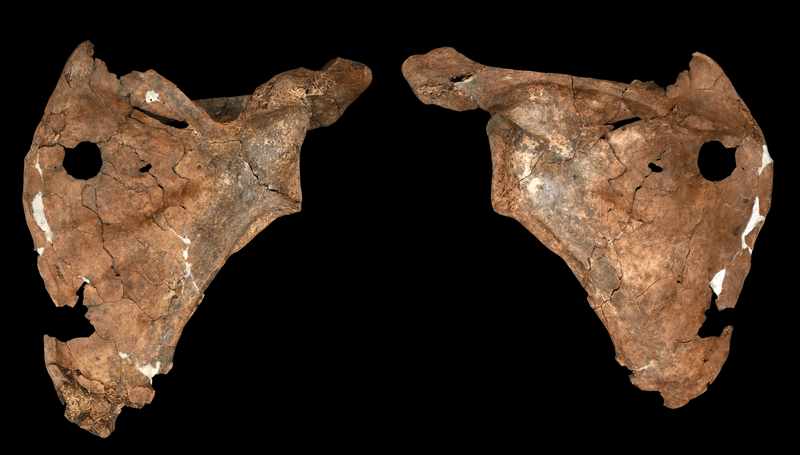
When you imagine a dinosaur, chances are your brain goes to those giants of the era: T. rex, Brontosaurus, Triceratops, or the mighty Patagotitan, that kind of thing. Perhaps less immediately called to mind, however, is Alnashetri: a tiny, bizarre little dino that ate bugs, weighed less than a hedgehog, and was all thumbs – literally. Now, an incredibly rare near-complete fossil is revealing all its secrets. Read the full story here
From Booze, To Lactase, To Body Shapes, How 10,000 Years Of Evolution Has Shaped Humanity
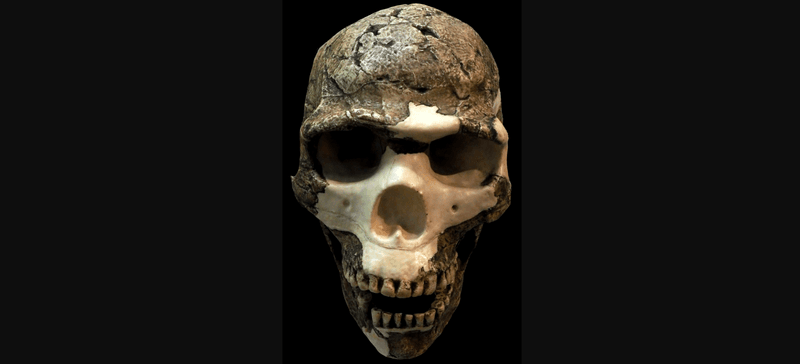
Distinct human populations living on separate continents have followed largely similar patterns of evolution since the onset of the Neolithic period, according to a new study. This suggests that, despite occupying different climatic zones, we’ve all been influenced by the same selection pressures – many of which appear linked to the adoption of agriculture. Read the full story here
Most Iron Artifacts From The Bronze Age Appear To Have Their Origins In Outer Space
The majority of Bronze Age artifacts made of iron were forged from material with its origins in outer space. In fact, one study that looked into the matter found that all artifacts they tested were made of metal that only recently came to Earth, geologically speaking, at least. Read the full story here
Can Cryopreserved Brains Be Brought Back? New Study Sees Activity In Mouse Brain Tissues Preserved At -196°C
In the quest to live forever, scientists have explored all kinds of unusual avenues. Cryopreservation is a popular talking point, but we humans and our delicate cells don’t deal well with freezing. Being preserved only to turn into gloop isn’t much of a vision for the future, but a new approach has proven it is possible to revive function in brain tissue that’s been preserved in a glass-like state. Read the full story here
Is A Godzilla El Niño Stirring In The Pacific? Early Forecasts Suggest Something Big Is Brewing
The winds of change are blowing in the eastern Pacific. Could it be the stirrings of a Godzilla El Niño? With La Niña finally fading, climate scientists are watching the Pacific very closely. New models from the European Center for Medium-Range Weather Forecasts (ECMWF) indicate sea surface temperatures in the tropical Pacific Ocean are expected to rise sharply over the next six months. Read the full story here
TWIS is published weekly on our Linkedin page, join us there for even more content.
Feature of the week:
Black Holes, Weird Particles, And False Vacuum Decay: Why People Thought The Large Hadron Collider Could Destroy The World
The Large Hadron Collider at CERN is synonymous with cutting-edge research in particle physics. In 2012, two of its four experiments discovered the Higgs Boson, the particle that gives all particles a mass. There was a time, though, when a small group of loud people got it into their heads – and then into the newspapers – that the LHC was going to end the world. Come with us as we take you inside the world's most powerful particle accelerator. Read the full story here
More content:
Have you seen our e-magazine, CURIOUS? Issue 44, March 2026, is available now. This month, we asked, “Are We Really More Microbe Than Human?” – check it out for exclusive interviews, book excerpts, long reads, and more.
PLUS, the We Have Questions podcast – an audio version of our coveted CURIOUS e-magazine column – continues. In episode 18, we ask, “What Do Other Worlds Smell Like?”
Our Break It Down podcast now has a new monthly format, coming at you in both audio and visual. So tune in each month to hear about some of the wildest science stories and adventures we’ve been on. Kick off this month with “AI Assassins, Inside A De-Extinction Lab, And Life On Mars?”
The Big Questions podcast season 5 has now concluded, but here’s one more bonus episode to help see you into 2026: Can Magic Be Used As A Tool In Science? You can catch up on the whole of season 5 here.