Humans
 PUBLISHED



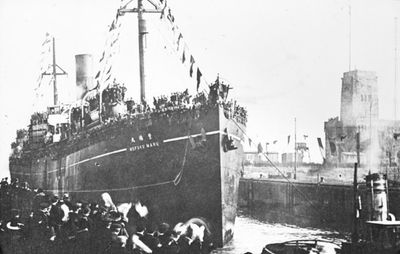


It took just three minutes for the Hōfuku Maru to sink, taking at least 1,000 Allied prisoners of war down with it. Eighty years on, the wreck of this notorious World War II "hell ship" has finally been found off the coast of the Philippines.
During the Second World War, Hōfuku Maru was a Japanese cargo ship used to transport prisoners of war across the rapidly expanding Empire of Japan for forced labor.
What were hell ships?
Hōfuku Maru was one of many so-called hell ships. These were floating concentration camps infamous for extreme heat, severe overcrowding, violence, and rampant disease. Tens of thousands of Asian and Allied prisoners died aboard these vessels after succumbing to malnutrition, dehydration, heatstroke, illness, beatings, and executions.
Those who survived the horrific voyage found little relief on arrival, as they were condemned to brutal forced labor in mines, shipyards, and munitions factories fueling the Japanese war machine.
What happened to Hōfuku Maru?
On September 21, 1944, an Allied torpedo struck Hōfuku Maru as it sailed out of Japanese-occupied Manila bound for Japan. The ship went down in just three minutes, dragging as many as 1,000 British and Dutch prisoners to their deaths.
For over 80 years, the shipwreck has sat at the bottom of the sea, lost in the fog of war and largely forgotten. That was until recently, when a trail of new clues was dusted off from the archives.
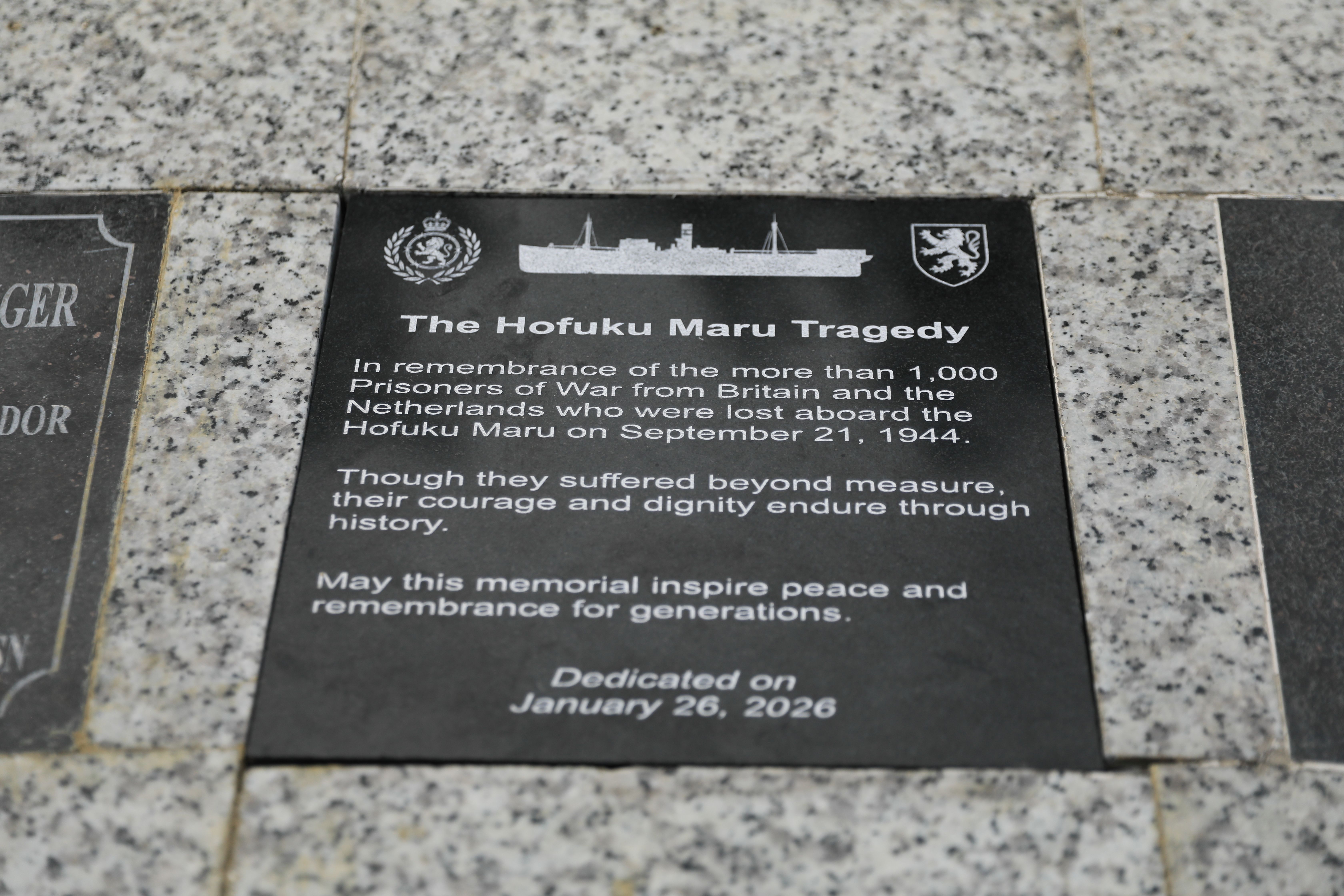
Discovering the wreck of a hell ship
Armed with the fresh information, a recent expedition has discovered the wreck at a depth of meters (160 feet) off the coast of Zambales province in Luzon, Philippines.
“The story of the Hellships is a chapter in the history of WWII that demands to be brought to light,” Josh Gates, an explorer involved in the project, said in a statement.
“The research and dives that led to this groundbreaking discovery can hopefully offer closure to the families of more than a thousand servicemen who made the ultimate sacrifice. It’s a privilege to work alongside the Hellships Memorial Foundation to honor their memories; they are lost no more.”
It was identified by the Hellships Memorial Foundation with the help of Gates, as well as underwater imaging specialist Evan Kovacs, and maritime archaeologist Dr Calvin Mires of Marine Imaging Technologies.
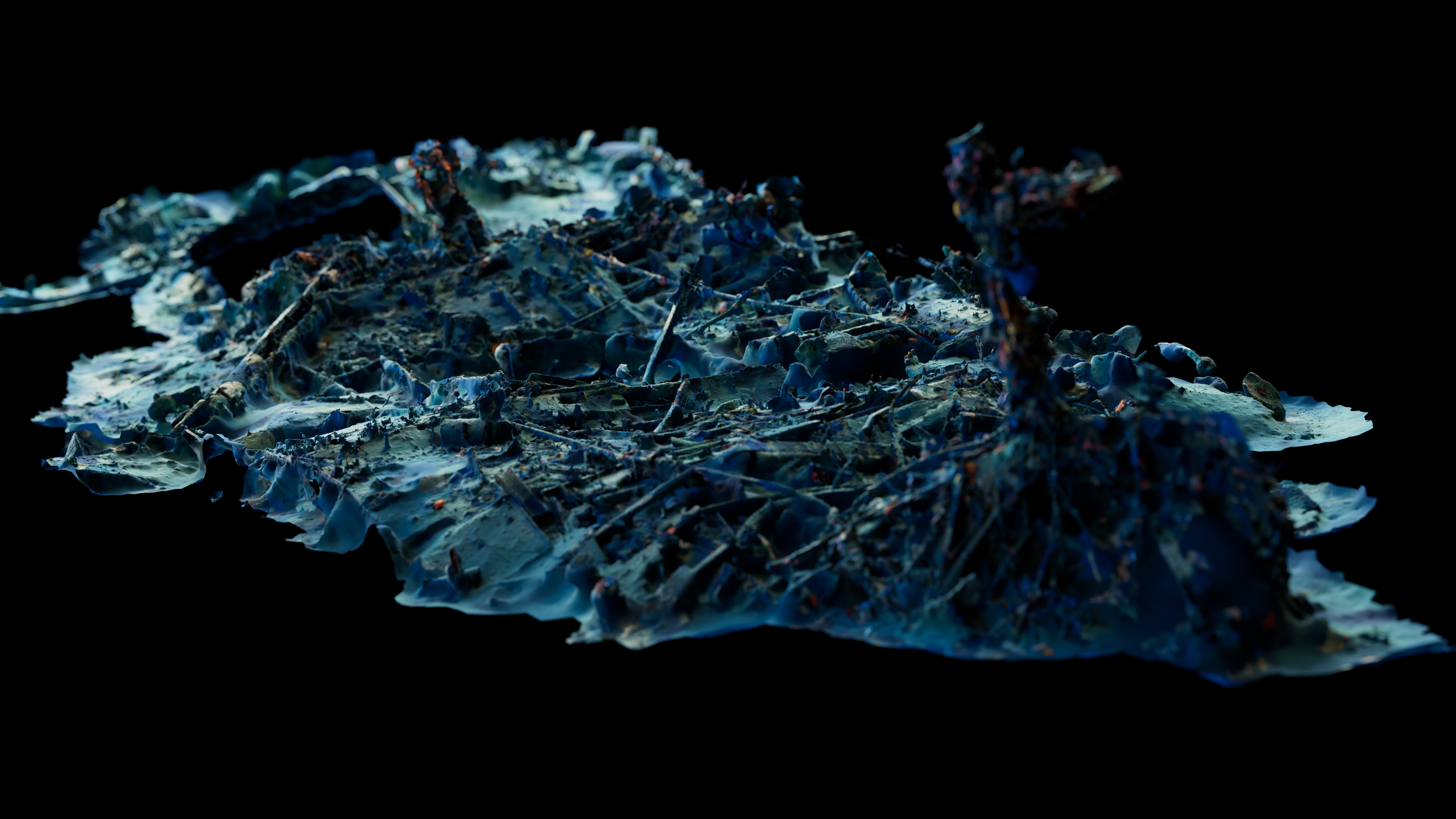
The shipwreck had long been assumed to lie in this part of the West Philippine Sea, but the team uncovered documents in American and Japanese military archives suggesting it was actually some 48 kilometers (30 miles) from where it was previously assumed to have gone down.
“We were absolutely stunned that Japanese sources had information on where the convoy was attacked and what ships were hit – this was a smoking gun,” explained Randy Anderson, the retired U.S. Naval Officer who founded the Hellships Memorial Foundation.
Building on the newly discovered archival information, the team then used sonar to confirm an uncharted wreck within their search zone. Intrigued by the sunken structure, they launched a series of deepwater dives that revealed a sunken ship, scattered with maritime debris and human remains.
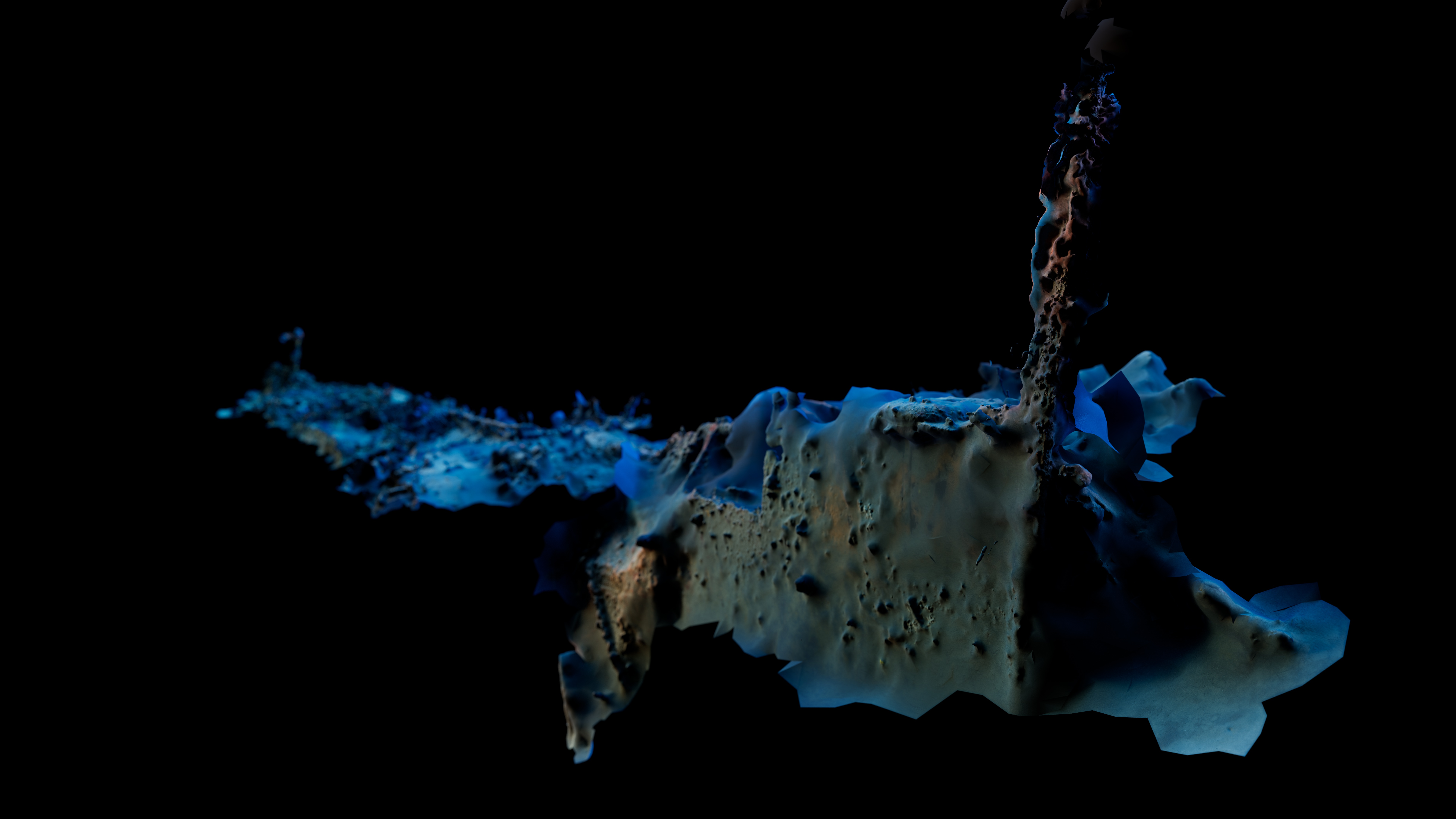
Photogrammetry was then used to compare the wreck against blueprints of the Hōfuku Maru and the damage it was known to have sustained. It all checked out perfectly.
“The pieces all fit,” said Tim Beckensall, a historian closely associated with the Hellships Memorial Foundation. “The vessel is the right size, in the right place and from the correct period. I am convinced this is the Hōfuku Maru.”
The discovery of the Hōfuku Maru’s wreck will be shown in a two-part season premiere of Expedition Unknown, airing June 24 on the Discovery Channel.


 1
1