Nature
 PUBLISHED




Burning Man festival in Nevada’s Black Rock Desert has once again been putting its visitors to the test, as the first week has seen an onslaught of tricky weather. First came the dust storms whipped up by 80-kilometer-per-hour (50-mile-per-hour) winds, taking with them the famous “Orgy Dome”. Then came the rain, turning the ground so soggy that the main gates were closed to new arrivals, and do you know what comes next? Oh yeah, it’s three-eyed dinosaur shrimp party time, baby.
Yes, 2023 was a memorable year for anyone who’s a fan of following what’s regarded as one of the world’s most hardcore festivals. Each year, around 80,000 people make the pilgrimage to the desert to immerse themselves in art and an alternative way of life, but the 2023 revelers probably didn’t have a big swamp party in mind when they left the house that fateful year.
Epic rains flooded the festival site, leaving some to flee on foot while others kicked back to make the most of the self-sufficiency Burning Man is famous for. They weren’t alone, though. Oh no.
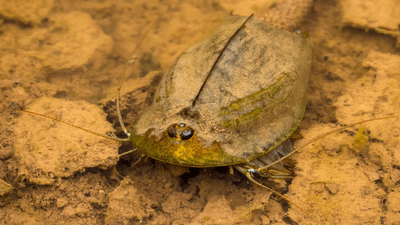
As the water seeped into the arid ground, it reawakened extremophiles that can lie dormant in dried-out lake and riverbeds for decades. Triops and fairy shrimp can endure in the sediment as eggs, and when the water levels get just right, they hatch and wriggle out of the sediment.
Relatives of the oldest living creature, Triops cancriformis, are among the fold, which is why Triops have the nickname “dinosaur shrimp”. These “three-eyed” miniature beasties have two main eyes and a pit organ, a “third eye” that’s common among insects, and comes in handy for prey animals as it enables them to detect changes in light – be that a bird coming in to hunt, or desperate pedaling of billionaires’ bicycle wheels as they try to catch a night at the Orgy Dome before it flies away.
They are joined by fairy shrimp, characters you might be more familiar with under the name sea monkeys. Fairy shrimp (Branchiopoda) are translucent crustaceans found in vernal pools and hypersaline lakes across the world. The diddy little shrimp are sometimes called brine shrimp, as – being extremophiles – they’re exceptionally good at tolerating salty environments.
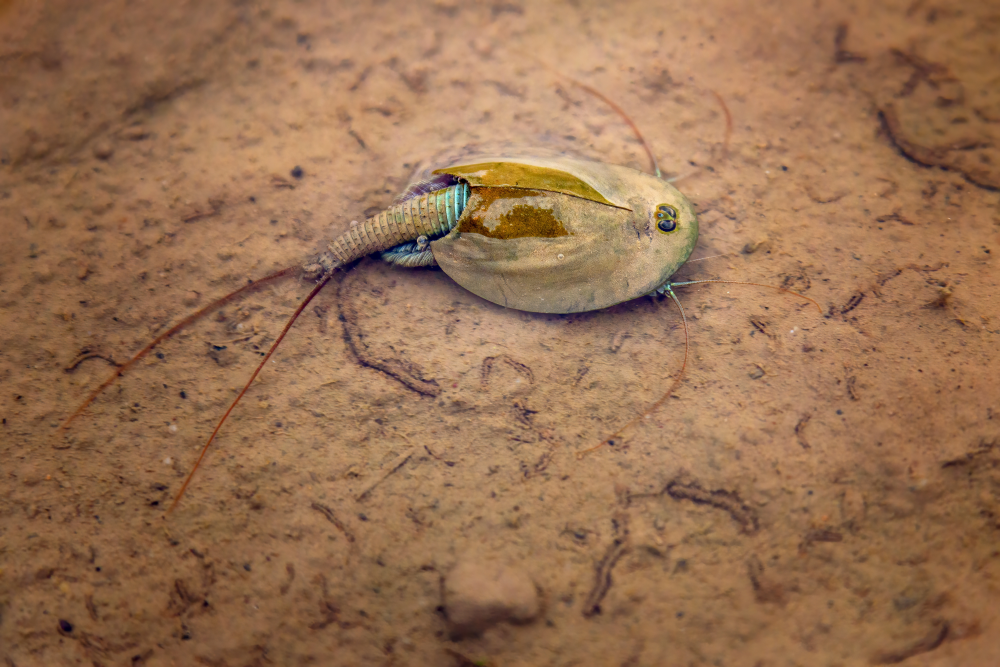
The arrival of these desiccated crustaceans on the Black Rock playa isn’t abnormal, and won’t be a surprise to return visitors to Burning Man. As the Bureau of Land Management (BLM) explained on Flickr, Friends of Nevada Wilderness (FNW), a partner organization that supports the BLM’s Winnemucca District, attends the festival to spread the good word of dinosaur and fairy shrimp.
“FNW members also volunteered at the famous Burning Man arts festival, where they assisted BLM staff teaching visitors about the playa’s cultural, historic, and natural features, including the threatened fairy shrimp that hatch during spring floods,” reads the image caption.
Spring typically stretches from March to June in the Nevada Desert, but these ancient crustaceans aren’t fussy. As Wupatki National Monument staff observed following a monsoon in Arizona, Triops and fairy shrimp eggs will happily remain dormant until the right conditions in which to hatch arise. And what are those? A buttload of rain.
So keep your eyes peeled, people of Burning Man. The real party is just getting started.


 2
2