Nature
 PUBLISHED


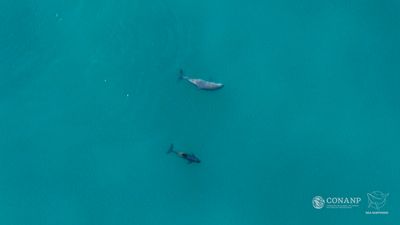


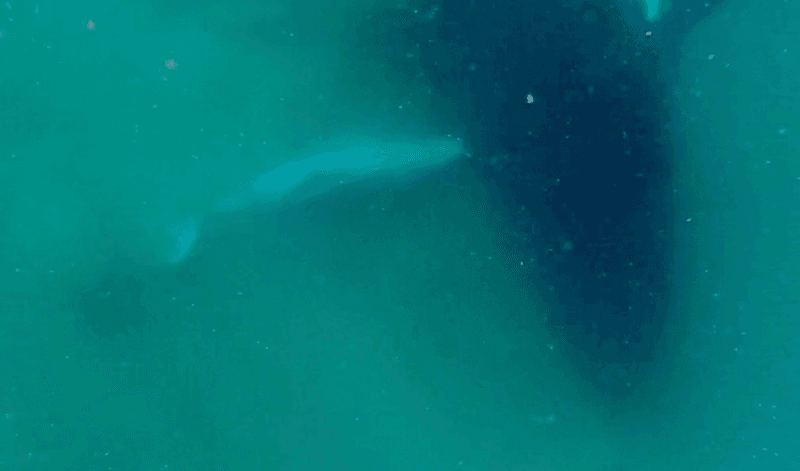
It’s good news for the smallest and most endangered cetacean of them all, as a recent survey confirmed sightings of between 7 and 10 vaquitas – and the birth of new calves.
It was only two years ago that the vaquita became the subject of the International Whaling Commission’s first-ever extinction alert, after years of widespread gillnet use and accidental bycatch in the northern region of the Gulf of California in Mexico – where vaquitas live exclusively – led to a decline in the population from 560 in 1997 to just 10 in 2018.
While efforts such as a ban on the use of gillnets and zero-tolerance areas for illegal fishing have been put into place, conservationists have also been keeping a close eye on the remaining members of the population with yearly surveys. That’s easier said than done; vaquitas are small, inconspicuous, and notoriously shy, known to avoid boats with active engines.
The new survey combatted that by combining acoustic monitoring with underwater detectors, and visual monitoring aboard vessels equipped with “Big Eyes” Binoculars, capable of spotting vaquitas from far in the distance so as to avoid the boats disturbing them.
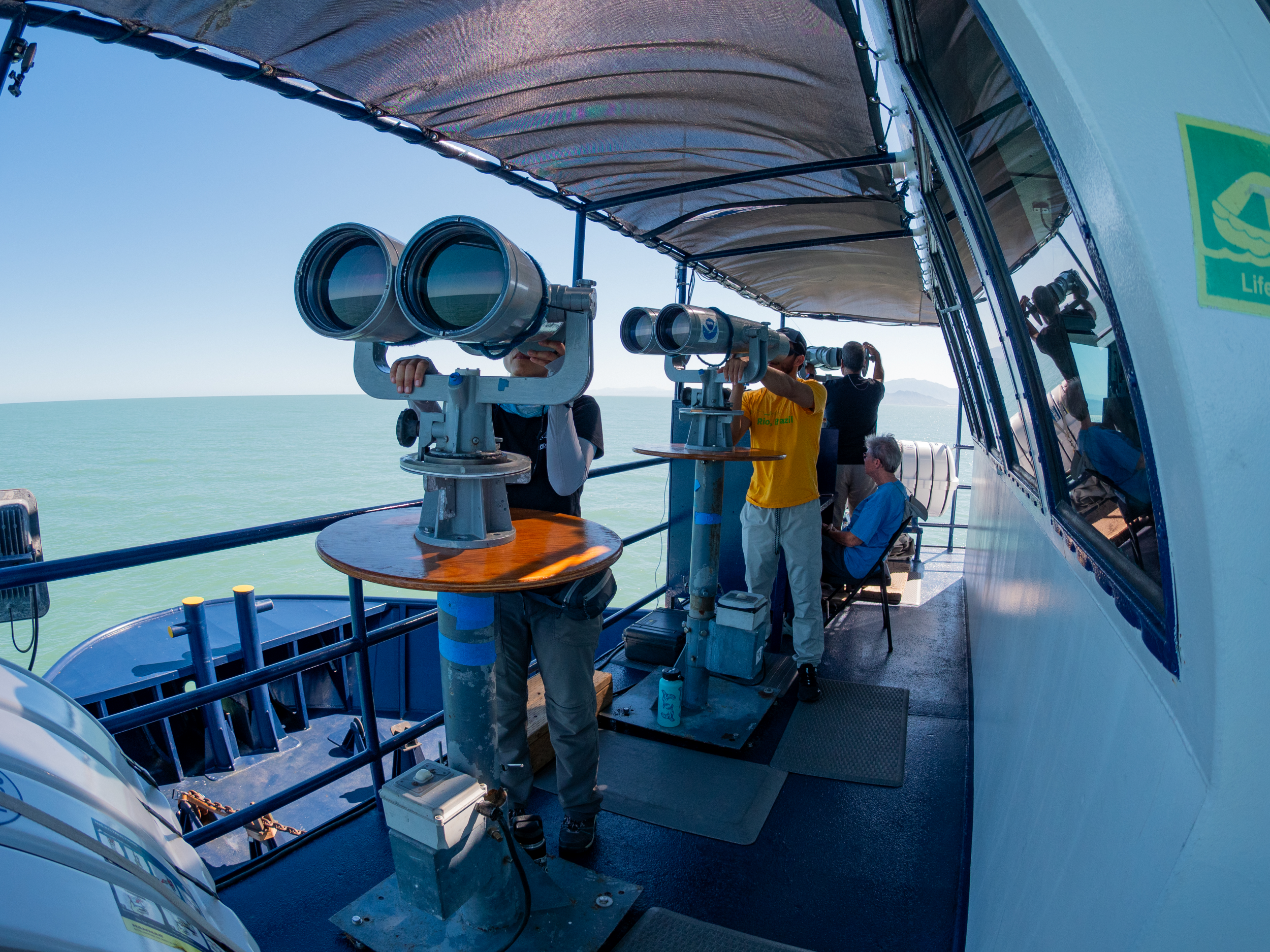
Carried out between May and September of this year by various government agencies, groups including Sea Shepherd Conservation Society, and local residents, the survey results suggest that conservation efforts are going to plan. As well as confirming sightings of seven to 10 vaquitas – an improvement on last year’s survey – experts spotted at least one or two calves, a success after no newborns were spotted in 2024.
It’s far from a sign that this critically endangered species is out of the woods, but the results do provide a glimmer of hope that it’s possible to bring vaquitas back from the brink of extinction, whilst also informing conservationists on how best to direct efforts to do so.
“This monitoring allows us to adjust our work strategy, to reinforce actions in precise areas in order to achieve greater vigilance and protection,” said Mexico’s Undersecretary of Biodiversity and Environmental Restoration, Marina Robles García, in a statement.
“But it also tells us several things: that the vaquita is still there, that it persists, that the downward trend has not continued, that there are even individuals we had not seen for several years—clearly spending time in other areas where we have not been monitoring—and that it continues to reproduce.”
“The fact that a species continues to reproduce and appears healthy is the best indicator of its life, of its condition as a species, but also the best invitation to maintain our efforts, our hope, and our joint work.”