Space and Physics
 PUBLISHED


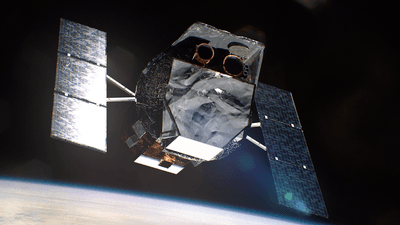


NASA has resumed operating two of its three telescopes onboard the Neil Gehrels Swift Observatory in an attempt to squeeze every last drop of science out of the mission before it comes crashing down to Earth sometime later this year. Earlier this year, all three instruments had been shut down in an attempt to reduce drag and keep the satellite in orbit while a rescue mission could be prepared, but that has now been abandoned.
Launched in 2004, Swift studies some of the most powerful and explosive events in the cosmos, including gamma ray bursts, supernovae, X-ray flares and galaxies powered by supermassive black holes. However, because the low Earth orbit spacecraft lacks its own propulsion system, it has been gradually losing altitude due to the drag created by our planet’s atmosphere.
The effect of this drag has been amplified by an increase in solar activity over the past few years - with the Sun having reached its solar maximum in 2024 – causing Swift to fall faster than expected. In an attempt to save the mission, NASA announced in September 2025 that it had contracted Katalyst Space to rapidly build a spacecraft that could rendezvous with Swift and boost its altitude.
In the meantime, all three of Swift’s telescopes were deactivated so that the observatory could be placed in an orientation that would minimize drag, thus slowing its descent. By the time Katalyst launched its LINK spacecraft on July 3, 2026, it looked as though everything was on track to save Swift.
However, in late July, Katalyst announced that LINK had begun to experience a series of difficulties as its reaction wheels and cold gas thruster system faltered. This caused the spacecraft to spin uncontrollably, leading to issues with altitude control and communications.
Sadly, these glitches could not be overcome, and earlier this month NASA announced that it would not be proceeding with the plan to boost Swift back into a higher orbit.
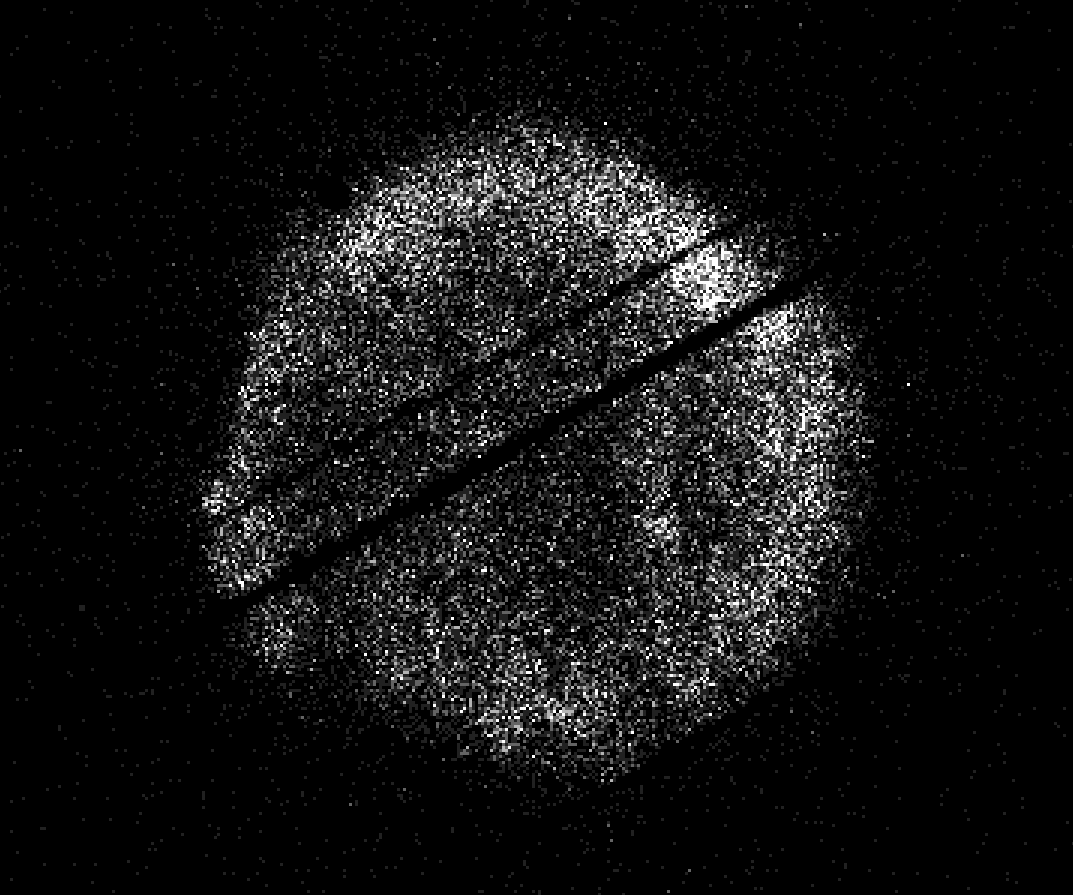
Resigned to losing the observatory, NASA has now started powering up Swift’s onboard instruments so that it can continue to monitor the cosmos until the bitter end, which, according to calculations, is by the end of 2026.
Most of the telescope will likely burn up in reentry but some parts may survive, likely landing in the ocean. The likelihood of them harming anyone is low; so far, only one person has been officially recorded as being hit by space junk.
To make the most of its time left, earlier this week, the mission’s Ultraviolet/Optical and X-ray telescopes were both turned back on, with plans to reactivate the Burst Alert Telescope in the near future.
As Swift returns to operations, it will be forced to exit its drag-reducing orientation, accelerating its fall to Earth. According to NASA’s latest predictions, the spacecraft will drop below an altitude of 300 kilometers (185 miles) within the next one to two months, continuing its current height until at least October.
Below this point, operating the instruments becomes very difficult as the observatory’s descent begins to accelerate. After 22 years of studying the wildest events in the universe, Swift is now on its victory lap as it prepares to plummet to its death.