Nature
 PUBLISHED




All life on Earth began with a Last Universal Common Ancestor – known to some as LUCA. This blob went on to achieve great things, from the remarkable flight and echolocation of bats to the strong flexible trunks of hyper-intelligent elephants (an appendage I think we can all admit we’re a little jealous of).
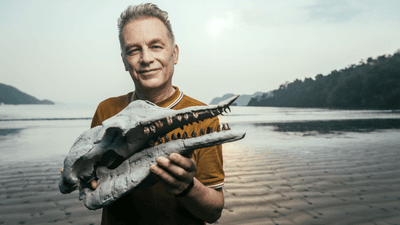
So, just how does a blob change to become all of those different things? It’s a question about to be answered in the story of five animals: the elephant, ostrich, bat, horse, and dolphin. Stories told by presenter Chris Packham as part of the BBC’s new series, Evolution, led by producer Rob Liddell.
“The series is both epic and really personal at the same time,” said Liddell to IFLScience. “I like to think of them as biographies of these creatures lineages, so you go back in time to the formative moments in their genetic history and you meet the same character but with different faces as you go along.”
The series, Liddell says, reveals the extraordinary biological journeys that even some of Earth's most unassuming animals have been on to become what they are today. As demonstrated by episode 3 in which Packham says that if you want to talk about bats, you’d do well to first visit the Ediacaran.
Dating back to around 570 million years ago, this period in geological time is famous for its oddball fossils. Known as the Ediacara biota, they are remarkably well preserved. Then, they drop off the face of the fossil record around 550 million years ago.
The exact driver of this crisis has long been a mystery, but a leading hypothesis involves a breakthrough in animal digestion. I'm talking, of course, about the anus.
The minute you’ve got a through-gut you can eat almost constantly.
Chris Packham
For life to become more complex it needed more energy, but many of the earliest complex lifeforms had a “blind gut” whereby food went into and came out of the same hole. The downside of this system is it means you can't eat more food while you're still processing what's already inside you.
The solution to this slow, time-consuming, and inefficient process? The anus. What started as a series of genetic mutations led to a new way for food to exit the animal body, and it unleashed chaos on the ancient environment.
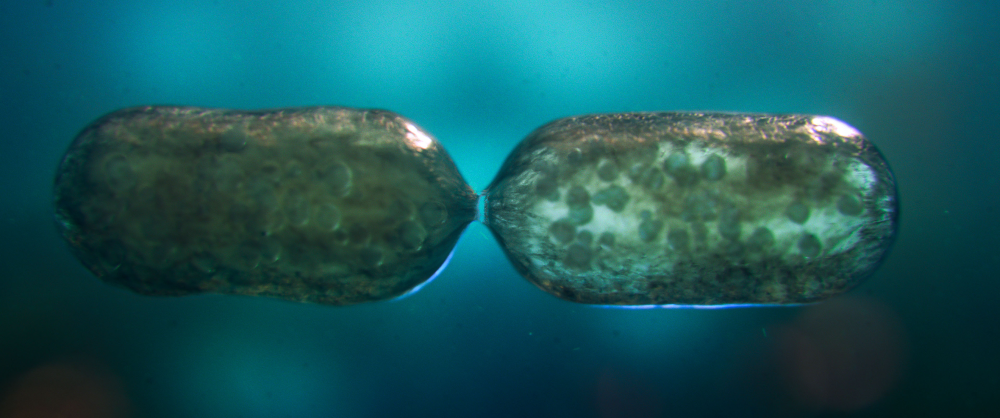
“The minute you’ve got a through-gut – so food going in one end being constantly processed and going out the other – you can eat almost constantly,” said Packham. “That means you can access more energy, which is going to give you a greater capacity to grow.”
And so eat these through-gut creatures did, to the detriment of one of the Ediacaran’s most widespread lifeforms: microbes. The “Ediacaran garden” was covered in a dense, centimeters-thick layer of green microbial mats, carpeting the seabed.
The floor was food, but as it got munched up by complex life, the decline of microbial mats dramatically shifted the environment. All the other animals that relied on this food source died out, meaning the anus may well have caused the world’s first major extinction event.
But life, as they say, found a way. What remained survived and adapted, and as the anus became an established feature of life on Earth, it led to the evolution of another pivotal feature of animal bodies.
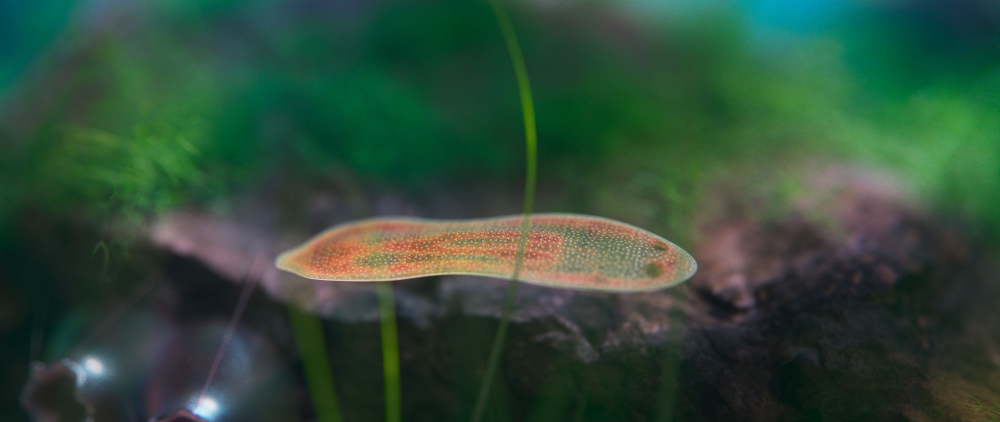
“Once you’ve got a mouth and you’ve got an anus, you want to put your mouth where the food is,” said Packham. “That means you need to be able to find that food and this gives rise to the evolution of sensory organs, whether it's smell, taste, or vision.”
What this series says is we’re not the be-all and end-all of evolution, and it hasn’t stopped.
Chris Packham
“You’re going to put those organs near your mouth. It makes sense to have them there, and then you’ve got to orchestrate changes in behavior and minimize the amount of time that those sensory organs are going to take to communicate that to a brain. Therefore, once you’ve got your eyes, your nose, your mouth, and your brain in one place, you’ve got a head.”
In short, says Packham, “No anus, no head.”
The episode, which isn’t even really about anuses, was a reminder to this writer that some of the most fundamental aspects of being a human (like a head) have the strangest origin stories. Evolution, it turns out, is packed full of them.
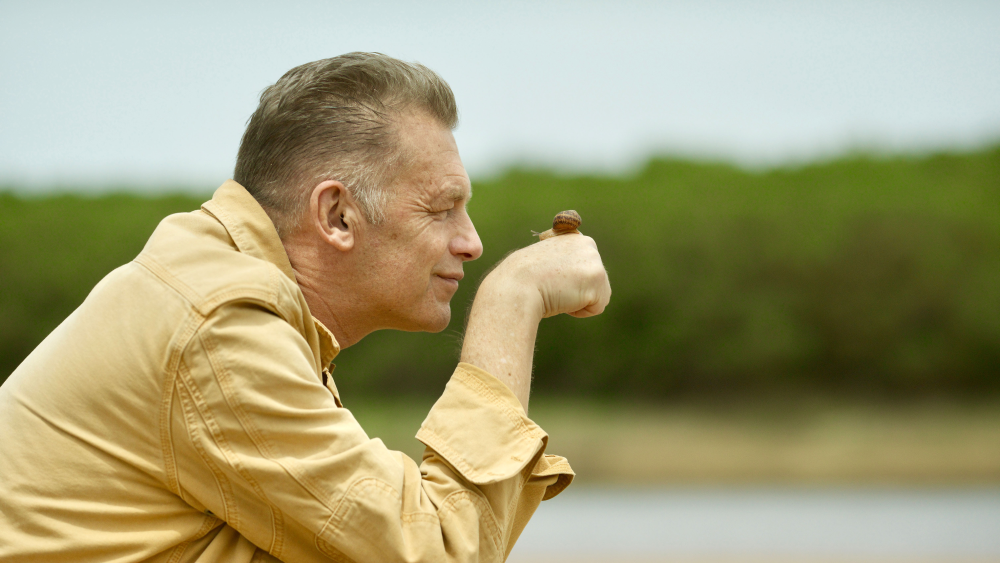
From the retrovirus that changed the brain forever, to the process through which fish gills became our hearing organs, and why the salad bar was off limits for the planet’s first terrestrial animals, the story of life on Earth is absolutely wild. It’s one that inspires renewed appreciation for often overlooked creatures like the snail, and reminds us that we’re really not so different from the creatures we share this Earth with.
“Wildlife and science TV has brought people an awareness of the diversity of life on this planet. And generated an affinity for it,” said Packham. “There’s no doubt that David Attenborough’s catalogue of work has made people aware of an extraordinary range of creatures that otherwise they would never have got to see. Never have got to imagine, even.”
We’re just part of a story that’s going to be told over many more billions of years when it comes to life on this planet.
Chris Packham
“I think what this series says is we’re not the be-all and end-all of evolution, and it hasn’t stopped. We’re just part of a story that’s going to be told over many more billions of years when it comes to life on this planet.”
“I like that. I really like that humbling aspect of it, and I think that should put people in a good position to think, ‘You know what, we’re not that important; it’s life which is important’. And when you look at the extraordinary journeys that we expose and explain for all of these other things, it should create an inherent value in how they perceive this wealth of life around them.”
Evolution airs on Monday July, 13 on BBC Two and BBC iPlayer.

 2
2