Nature
 PUBLISHED


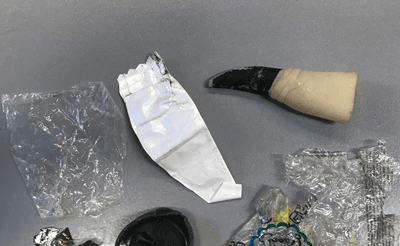


How does a rubber witch's finger travel from a Halloween party to the belly of a Mediterranean sea turtle? It’s anyone's guess, but the novelty finding does provide a grim insight into how seemingly innocuous plastic products can work their way into marine environments and tragically impact the life within them.
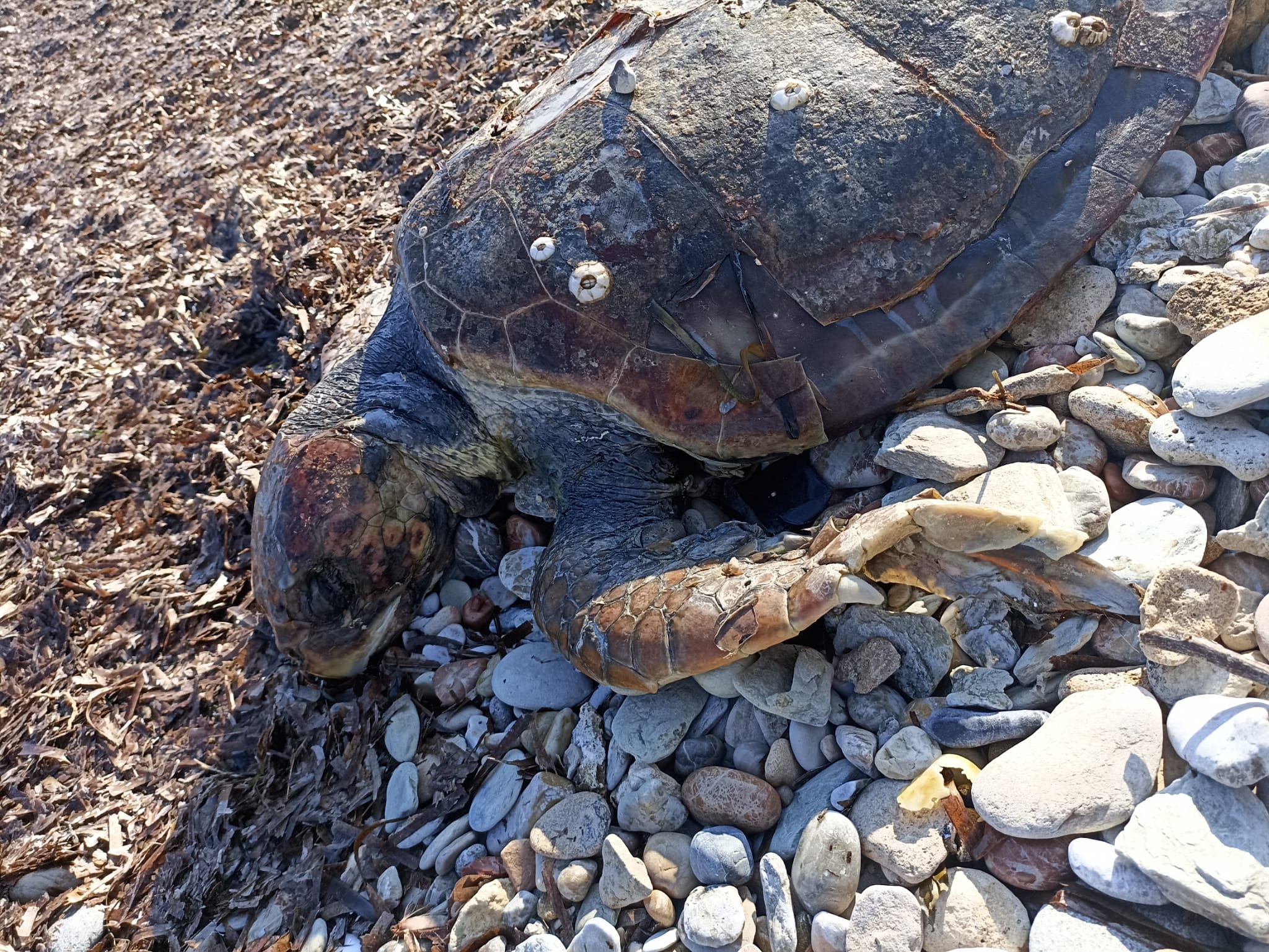
In a new study, scientists at the University of Exeter studied 135 loggerhead turtles that had either washed up or were accidentally caught in fishing nets off northern Cyprus in the eastern Mediterranean Sea.
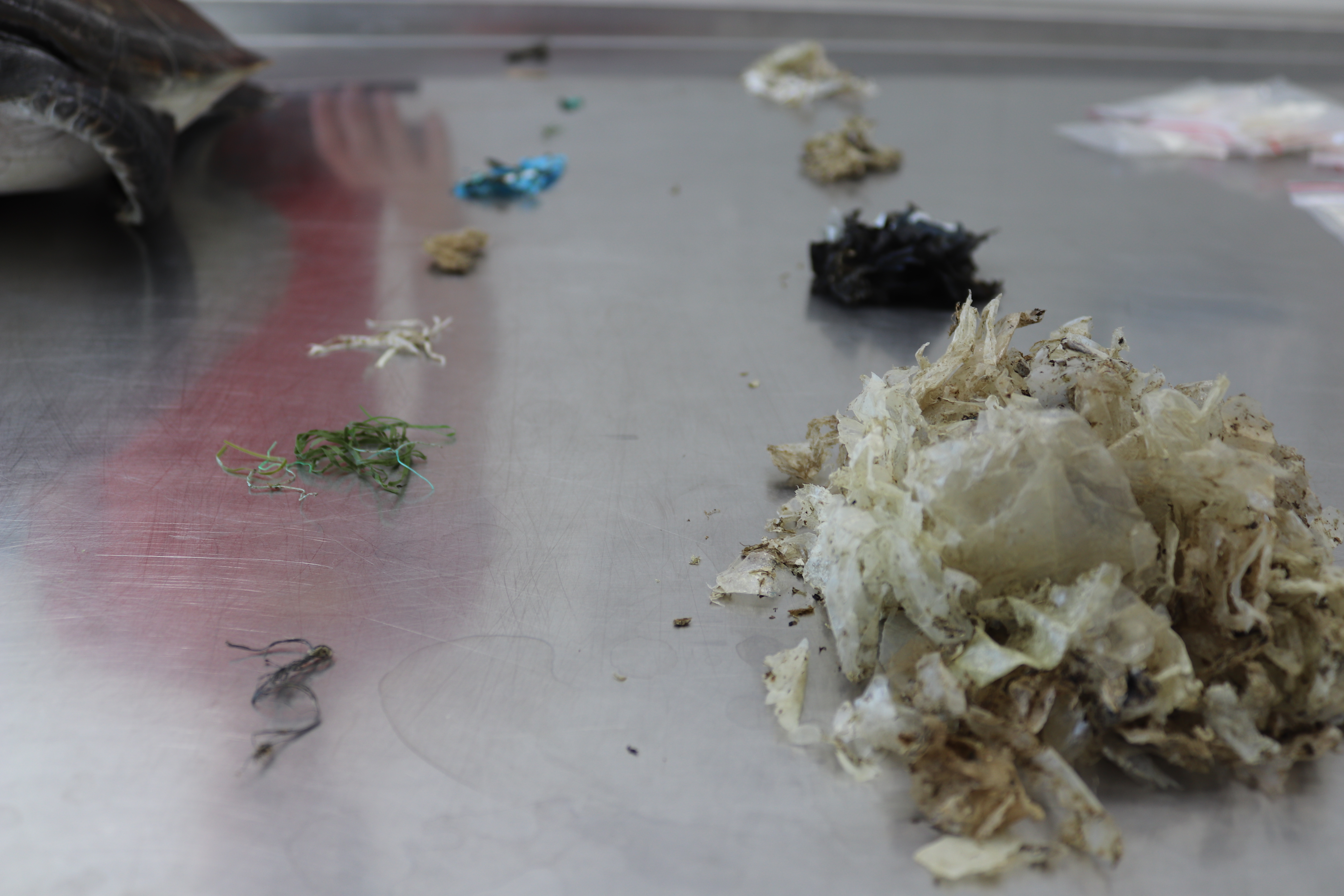
Over 40 percent of the turtles contained "macroplastics", pieces larger than 5 millimeters (0.2 inches), from a variety of sources. A total of 492 macroplastic pieces were found within the turtles’ bodies, including 67 pieces located inside a single individual.
Perhaps most poignant was a rubber witch’s finger from a Halloween costume that was found lodged inside one of the loggerheads' intestinal tract.
"The journey of that Halloween toy – from a child's costume to the inside of a sea turtle – is a fascinating glimpse into the life cycle of plastics. These turtles feed on gelatinous prey such as jellyfish and seabed prey such as crustaceans, and it's easy to see how this item might have looked like a crab claw," Dr Emily Duncan, lead study author from the Centre for Ecology and Conservation at the University of Exeter, said in a statement.
It became evident that certain types of plastic were more likely to be eaten by the turtles. Around 62 percent of the macroplastic were sheet-like, 41 percent were clear, and 25 percent were white. Once again, the team suspects it’s because this type of trash more closely resembles their prey: jellyfish.
Plastic pollution is such a new problem (relatively speaking) that scientists are not completely sure how it impacts animal health, although evidence is starting to show the emergence of plastic-caused diseases among animals that inhabit marine environments.
“We still don’t know the full impacts of macroplastic on turtles’ health, but negative effects could include causing blockages and limiting nutrition,” added Duncan.
If humanity is going to get to grips with the problem, scientists need to understand the different levels of plastic pollution in the world’s seas – and unfortunate turtles may be a useful indicator. The study raises the question of whether marine turtles could be used by researchers as “bio-indicators,” effectively organic sensors to keep tabs on plastic levels.
“Much larger sample sizes will be needed for loggerheads to be an effective ‘bioindicator’ species, and we recommend studies should also include green turtles – allowing a more holistic picture to be gathered,” continued Professor Brendan Godley, who leads the University of Exeter's Marine research group.
The new study is published in the journal Marine Pollution Bulletin.