Nature
 PUBLISHED


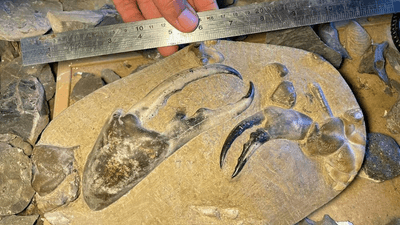


A fossil claw belonging to a new-to-science species of crab that lived 8.8 million years ago has just snipped the ribbon on quite the crustacean certification: it’s the largest fossil crab claw ever found. The hefty specimen’s enormous size has scientists figuring it could well be the precursor to today’s Southern Giant Crab, which can weigh over 12 kilograms (26 pounds).
The ancient extinct crab specimens were recovered from Waitoetoe beach, North Island, in New Zealand. They were committed to the fossil record as part of the upper Miocene Urenui Formation of the Taranaki Basin that dates back to around 8.8 million years ago, at a time when the Mohakatino Volcanic Centre erupted offshore, shaping the palaeoenvironment.
As we know, fossils preserve particularly well when sediment in the form of mud or volcanic ash swoops in to cover it before the decomposition ecosystem can have its way with dead animals, and these crabs are no exception. Having been buried in sediments including volcanic material, they are beautifully preserved, and that’s a big bonus for the fossils’ academic potential. We now know that these animals lived deep in the ocean, marking the first time they've been found in the region that is now New Zealand.
A team of researchers deduced that the fossilized crustaceans represent a new species: Pseudocarcinus karlraubenheimeri. The latter name is in honor of Karl Raubenheimer of New Plymouth, North Island, New Zealand, who collected and donated the specimen.

The hefty hunk of crab joins the Pseudocarcinus genus, which is represented in the modern era by P. gigas: the giant southern crab. Its other nicknames – the giant deepwater crab, queen crab, and bullcrab – give some indication of the size of these monsters.
"The now living Giant Southern crab, Pseudocarcinus gigas, is one of the largest crabs to have ever lived," study author Barry W.M van Bakel told IFLScience. "Its claw can reach a maximum of 47 centimeters [18.5 inches], nearly half a metre! This fossil ancestor is about half the size."
As for what drives a crab to go supersized, the threat of predators plays a part, but it’s also about making sure you don’t end up with eyes bigger than your snip-snips.
“Pseudocarcinus crabs are characterised by gigantism, which provided them with significant advantages in competition and defence,” write the authors. “Their carnivorous nature is reflected in their exceptionally large major cheliped [aka, the claw].”
The authors suggest that P. karlraubenheimeri’s claw engineering may have been driven by an uptick in animals like gastropods and bivalves appearing on the deep-sea menu back in the Late Cretaceous, welcoming in a new era of BIG CRABS with BIG CLAWS.
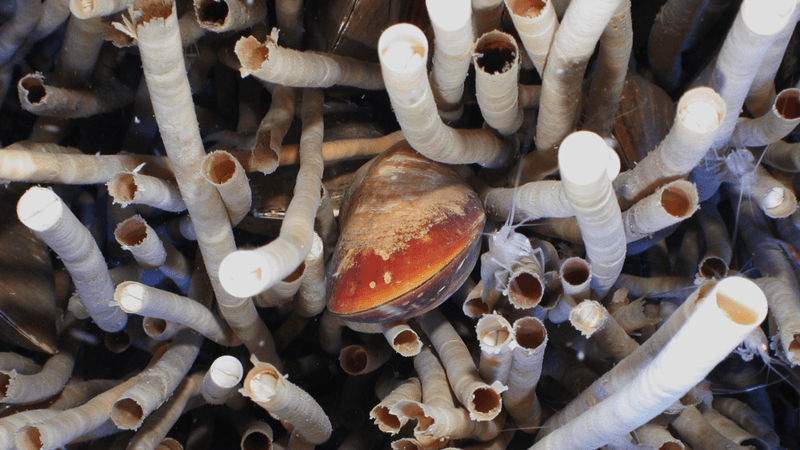
"This is the largest fossil crab to have ever been discovered, which is fascinating," added van Bakel. "But also, the discovery of its former habitat: sea-floor gas seeps, bringing CO2 and/or methane to the sediment-water interface, provided a warm and nutrient-rich environment rich in clams, snails, and smaller crabs. This formed the food source for these giant crabs! It is great to learn about former ecosystems."
The study is published in the New Zealand Journal Of Geology And Geophysics.