Nature
 PUBLISHED
 4
4




Expeditions to remote corners of the world might sound like something from a children's adventure book but are actually a very real part of scientific discovery. A recent trip to Angola’s remote Lisima plateau has discovered over 70 new species, from dragonflies and spiders to grasshoppers and butterflies, in this little-explored area.
The Cassai Life Atlas biodiversity survey conducted by The Wilderness Project in February 2026 set out to learn more about the species that live in this region and they hit the jackpot. “Being on the ground in a place like this, with a team of specialists working across so many groups of life, is both a privilege and a thrill,” said Rob Taylor, expedition leader and conservation ecologist, in a statement sent to IFLScience.
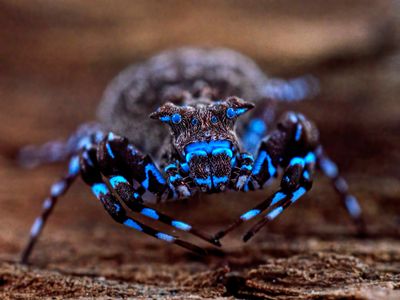
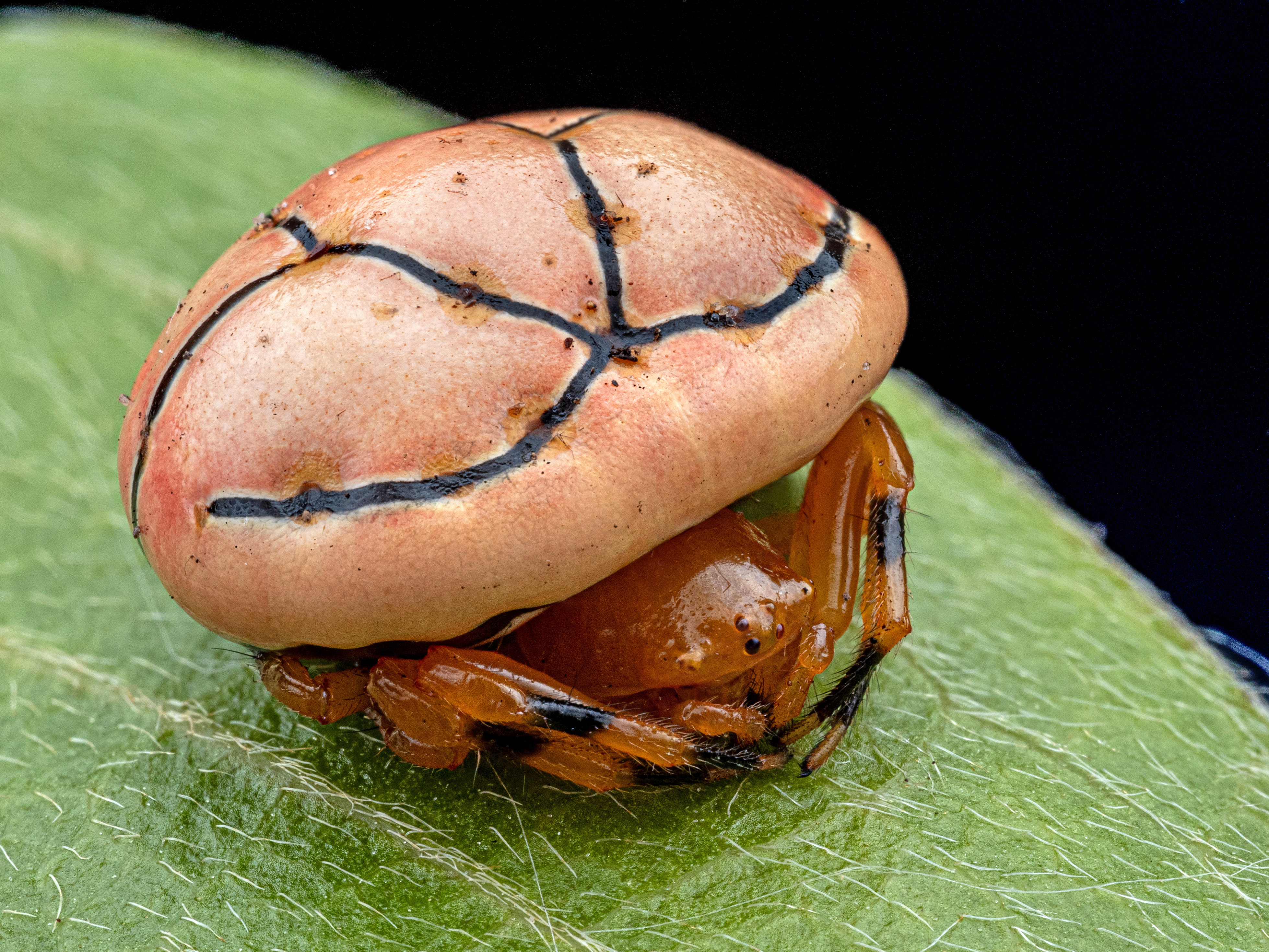
Working their way through the creatures documented is no mean feat, and while some have been immediately flagged as new species, others – including beetles, spiders and scorpions – await specialist examination to confirm their status. One spider, the crowned crab spider above (Smodicinus sp. nov.), which turns out to fluoresce blue under UV light, is thought to be an undescribed species. This ladybird orb-web spider (Paraplectana sp. nov.) below, which has an unusual defense mechanism mimicing ladybird beetles, is also thought to be new to science.
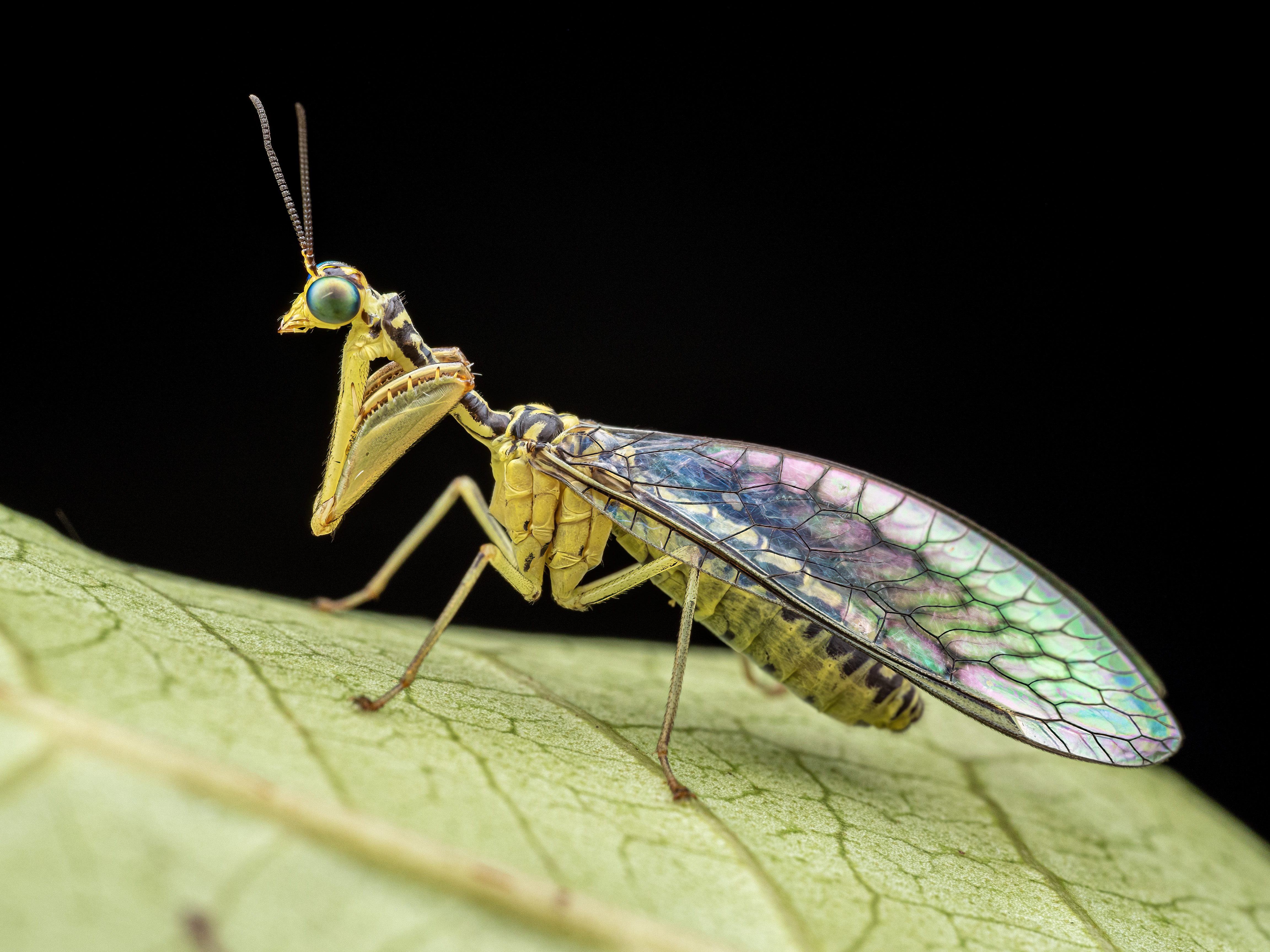
The team recorded more than 100 dragon and damselfly species, of which 34 were not known to live in the region and eight were totally new to science. The researchers also found 47 species belonging to either grasshoppers, katydids, or crickets. Three new katydid species included an incredible armored cricket (Enyaliopsis sp. nov.).
"What surprised me was the number of new species of insects that I was able to collect, some of which are likely endemic to the region,” said Dr Piotr Naskrecki, Director of the E.O. Wilson Biodiversity Laboratory at Gorongosa National Park in Mozambique.
The team says this number is likely to go up as specialists are brought in to examine them.
Over 1,000 butterflies and moths were recorded, with as many as 6 percent of all the moth species found, around 60 in total, thought to be new to science.
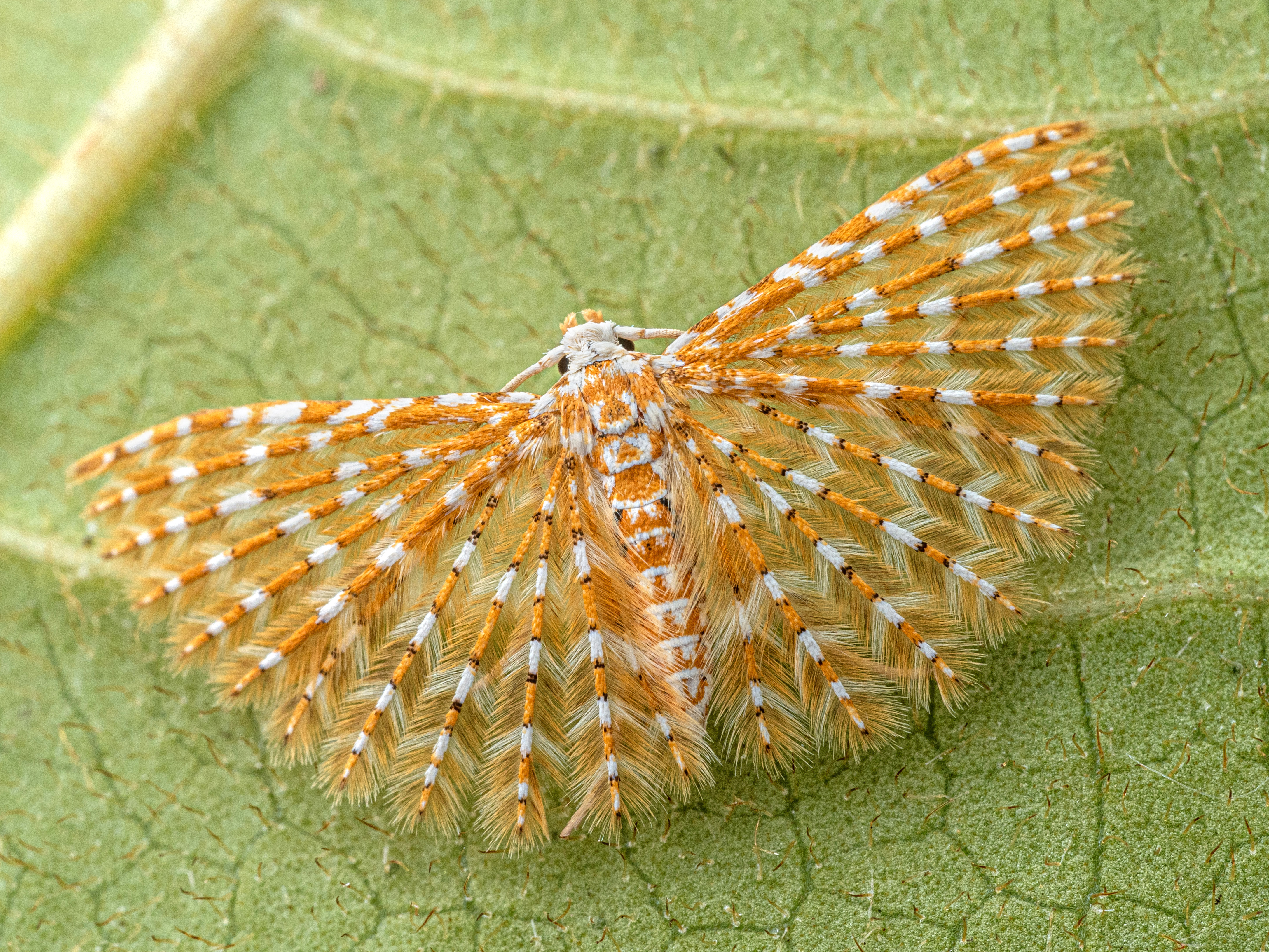
One species documented is the beautiful many-plumed moth (Alucita sp.), seen here, which needs further examination to determine the species. Many-plumed moths are easily recognizable with their unique wings, which do not form a continuous membrane like other species and instead have this unique feather structure.
The West Coast of Africa is a known biodiversity hotspot for many plumed moths. Back in 2020, seven new species were found in Cameroon, taking Cameroon's species number up to 22.
Also documented were 24 amphibians and 23 reptiles, including the Gaboon adder and Oates’ twig snake, along with bat species like the Sundevall’s roundleaf bat and the Ruppell’s horseshoe bat seen in the caves nearby.
Over 300 plant species were also collected as part of the survey, representing woodlands, grasslands, swamps, river margins, and other niche habitats present in the area.
The Wilderness Project's goal is to study what sustains Africa's freshwater basins and use this data to protect these biodiverse ecosystems, with 1.2 million square kilometers (460,000 square miles) under conservation by 2030.
The water from the Lisima plateau is vitally important for the surrounding areas and communities, even thousands of kilometers downstream, feeding the African river systems of the Okavango, Zambezi, Congo, and Cuanza.
“These headwaters are not only vital for biodiversity; they also provide water, ecological resilience, and support livelihoods far downstream. A clear understanding of the biodiversity here is essential for the effective protection of the entire system,” Taylor said.
Surveys like this are increasingly important for the biodiversity of Angola. Years of political unrest and civil war, not to mention the remote location, have made accessing the area difficult. But now, as landmines are cleared and roads begin to open up this once inaccessible region, by taking stock of the species that call this biodiversity hotspot home, plans and considerations can be made to protect the species of the Lisiam plateau.
“As an Angolan, this work represents much more than scientific participation to me; it is an opportunity to contribute in a meaningful way to the biological knowledge and appreciation of Angola’s natural heritage,” said Laurinda de Fraga, a biologist specializing in arachnids.
“It is also a way of leaving a lasting contribution to future generations of Angolans, while reinforcing the pride and responsibility of protecting this unique area.”