Nature
 PUBLISHED


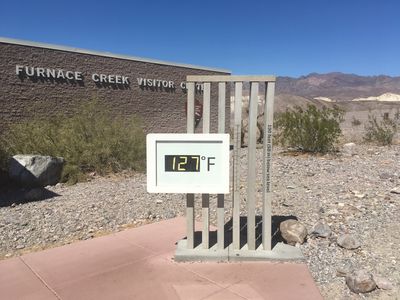


“Scorching temperatures” and “Death Valley” are two terms that aren’t particularly surprising to see together, but a record-breaking, long-running heatwave that’s currently baking the western US has taken the notoriously hot region to near-world record extremes over the last week.
Temperatures in the aptly named Furnace Creek – which holds the (sometimes disputed) title for the world’s highest recorded temperature of 56.7°C (134°F) – started creeping into the late 40s early last week, before hitting 50°C (122°F) on July 3.
The heat continued to rise throughout the week until on Sunday, temperatures reached a searing 54°C (129°F). Such highs are expected to continue through to July 11 and as a result, the National Weather Service has put out an excessive heat warning until late on Thursday evening.
Similarly, Death Valley National Park currently has an “Extreme Summer Heat” alert in place advising visitors of the necessary precautions to deal with the sweltering temperatures.
“Expect high temperatures of 100°F to 130°F (43°C to 54°C). Minimize time outside in heat. Do not hike after 10 am. Drink plenty of water. Travel prepared to survive; cell phones do not work in most of the park,” reads the alert.
Alerts like these are put in place as the risk of heat-related illness goes up in such extreme heat. On Saturday, a group of six motorcyclists traveling through Badwater Basin all fell ill; one member of the party died, whilst another was taken to hospital with “severe heat illness”.
“Besides not being able to cool down while riding due to high ambient air temperatures, experiencing Death Valley by motorcycle when it is this hot is further challenged by the necessary heavy safety gear worn to reduce injuries during an accident,” read a statement from the park seen by CNN.
“While this is a very exciting time to experience potential world record setting temperatures in Death Valley, we encourage visitors to choose their activities carefully, avoiding prolonged periods of time outside of an air-conditioned vehicle or building when temperatures are this high,” said park superintendent Mike Reynolds in the statement.
Death Valley National Park also saw a heatwave back in mid-June, with a heat alert put in place during Juneteenth celebrations, when entry to the park – and every other National Park – was free.
The recent heat is quite the turn of events compared to earlier this year, when an atmospheric river dumped 38 millimeters (1.5 inches) of rain on Death Valley in just three days, putting life back into an unexpectedly persistent ephemeral lake – though if it hadn’t already disappeared, we’re pretty sure the last week would’ve sped up the process.