Health and Medicine
 PUBLISHED




What you’ll discover in this article
- tRNA-based treatments are a promising approach for genetic diseases caused by nonsense mutations.
- Cystic fibrosis can sometimes be caused by nonsense mutations that stop a key protein being formed correctly.
- “For me, one of the most exciting moments was seeing that such a small RNA molecule could restore production of a functional protein when paired with the right chemistry and delivery system,” senior author Bowen Li told IFLScience.
You’ve heard of mRNA in medicine. From COVID vaccines to cutting-edge cancer treatment, mRNA therapies have huge promise and have attracted almost equally huge controversy.
But now, there’s a new kid on the block: tRNA, a next-generation RNA therapy that the scientists behind a new study say could lead to a whole new class of drugs for countless genetic disorders.
Well, we say “new”. Scientists have been considering the potential of tRNA for decades, but it’s only now that the practicalities are being worked out.
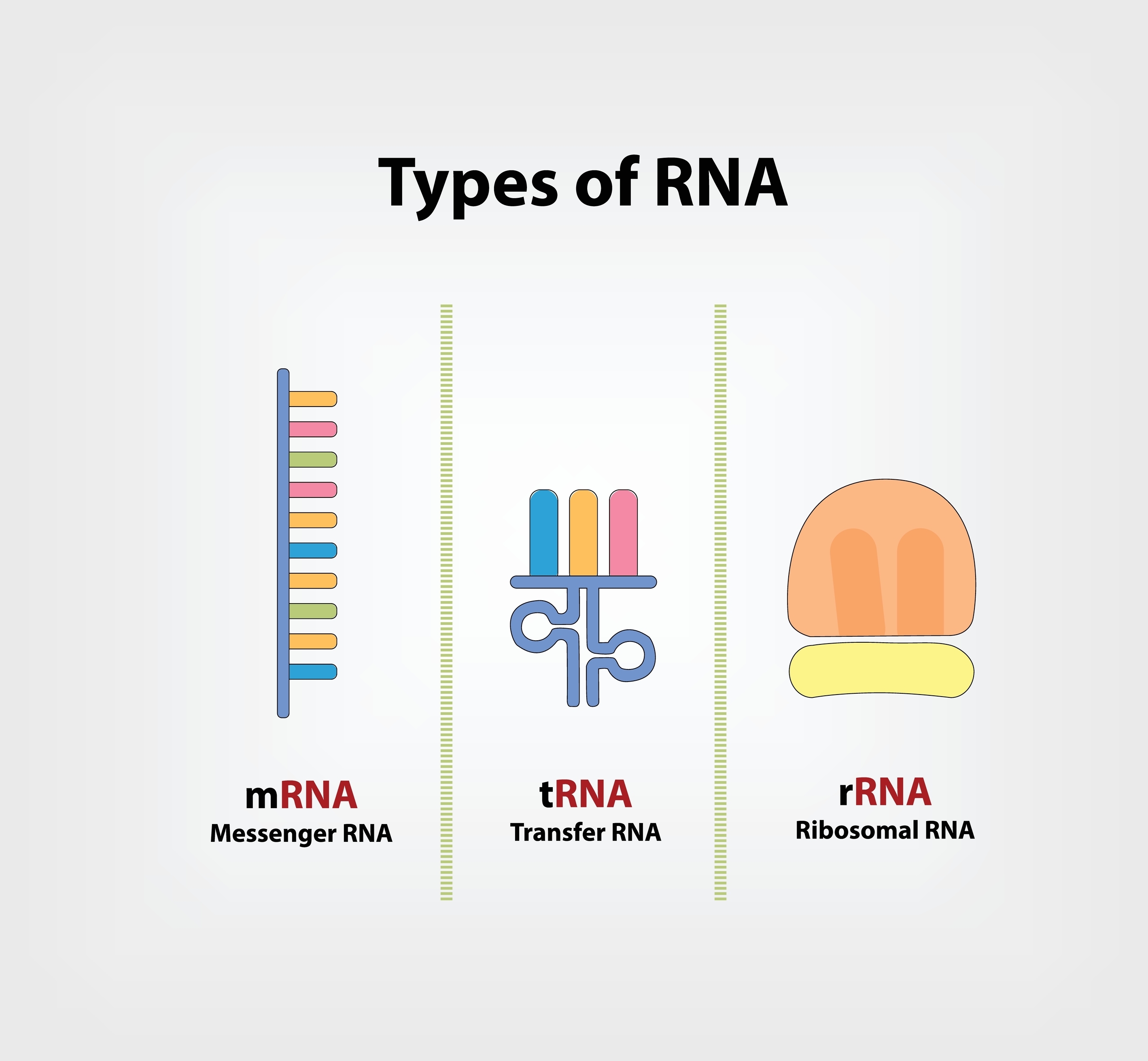
“mRNA and tRNA play very different roles in how cells make proteins”, Bowen Li, associate professor at the Leslie Dan Faculty of Pharmacy, University of Toronto, told IFLScience.
“mRNA carries the genetic instructions for making a protein – you can think of it as the recipe. tRNA is part of the machinery that reads that recipe and brings the correct amino acids together to build the protein.”
tRNA has been central to biology for billions of years, but compared with mRNA it remains remarkably underexplored as a medicine.
Bowen Li
One way that tRNAs have been earmarked for use in medicine is in their ability to allow the cell to bypass specific types of genetic mutations called nonsense mutations.
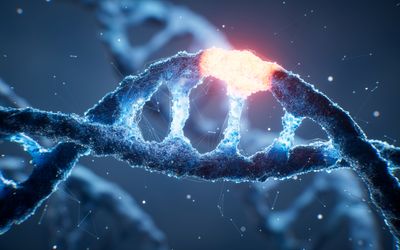
These are where changes in the four-letter code that DNA is written in – As, Cs, Ts, and Gs – cause a “misspelling” that the cellular machinery recognizes as a stop codon. Stop codons are like literal red traffic lights, signaling that protein synthesis should end here.
A nonsense mutation means the resulting protein is shorter than it should be and therefore probably won’t function correctly.
A “misplaced stop sign” in a single protein
About 11 percent of all inherited genetic disorders are thought to result from nonsense mutations, so any therapy has the potential to help a lot of people.
This is what Li and the team led by PhD student Jingan Chen are working on, as Li explained to IFLScience: “In our study, we use an engineered suppressor tRNA to address a specific type of genetic error called a nonsense mutation.”
“The engineered tRNA essentially allows the cell to read through this misplaced stop sign and continue making a full-length protein.”
“This is quite different from conventional mRNA therapy, where we provide a new mRNA encoding the protein we want the cell to produce. It is also different from gene editing because we do not alter the patient’s DNA. Instead, we temporarily intervene in the process of translating the existing genetic message into protein.”
The disease they’re focusing on right now is cystic fibrosis (CF), in which mutations lead to a protein called CFTR being nonfunctional.
Even though it’s only this single protein that’s affected, it causes a raft of issues throughout the body. Many people are aware of CF as a lung condition, but it causes digestive problems too, because the normal function of the CFTR protein is to keep the mucus that lines these systems at the right consistency.
Without it, the mucus becomes too thick and harder to shift, leading to breathing problems, frequent infections, malnutrition, and other symptoms.
One of the most exciting moments was seeing that such a small RNA molecule could restore production of a functional protein.
Bowen Li
There have been major improvements in the care of people with CF in recent years and new gene therapies, all of which has resulted in an increase in life expectancy. However, the paper explains that around 10 percent of patients have a nonsense mutation in their CFTR gene and cannot benefit from therapies like the FDA-approved Trikafta.
In their study, Li and the team demonstrated that tRNA can be engineered to bypass the nonsense mutation and restore full-length CFTR protein synthesis in various lab models of CF.
These included lung cells, mice, and patient-derived organoids – mini organs grown from the cells of people with CF.
In one of the organoid models, they found that co-treatment with both the tRNA and the approved drug Trikafta worked well, meaning that could be an additional option for certain patients if needed.
Special delivery
One problem the team encountered – and overcame – was getting the tRNA safely into the cells.
“Delivery is one of the biggest challenges for almost every RNA medicine. RNA molecules are fragile, cannot efficiently enter cells on their own, and need to reach the right cells and ultimately the right location inside those cells,” Li explained.
“An important lesson from this study was that a lipid nanoparticle optimized for mRNA is not automatically optimal for tRNA. tRNAs are much smaller than typical therapeutic mRNAs and have very different structures and chemical properties.”
“We therefore had to rethink the formulation rather than simply putting tRNA into an existing mRNA nanoparticle.”
This was two-pronged: they had to modify the tRNA to make it more stable, and re-engineer the nanoparticle to make it more tRNA-friendly.
“For me, one of the most exciting moments was seeing that such a small RNA molecule could restore production of a functional protein when paired with the right chemistry and delivery system,” Li told IFLScience.
“The next challenge”
A number of other human diseases are caused by nonsense mutations.
Some of the more well-known examples include Duchenne muscular dystrophy and beta-thalassemia, but many more are among the approximately 7,000 rare and ultra-rare disorders that may affect only a small number of people each – sometimes in the single figures across the world.
The study made us realize that this could potentially become a much broader therapeutic strategy.
Bowen Li
Because some of these disorders affect just a handful of people, researching and developing treatments for them is exceedingly challenging as there’s not a lot of data to work with.
This is where tRNA therapy could have a great advantage.
“Instead of developing an entirely new drug for every individual mutation, one suppressor tRNA may potentially address multiple diseases that share the same type of premature stop codon,” Li explained.
“We started with a very specific problem – nonsense mutations in cystic fibrosis – but the study made us realize that this could potentially become a much broader therapeutic strategy.”
“Diseases such as Duchenne muscular dystrophy and a number of metabolic, neurological and other rare genetic disorders are particularly interesting directions. The next challenge is therefore both molecular and anatomical: developing tRNAs that can efficiently suppress different stop mutations, while developing delivery systems capable of reaching organs beyond the lung.”
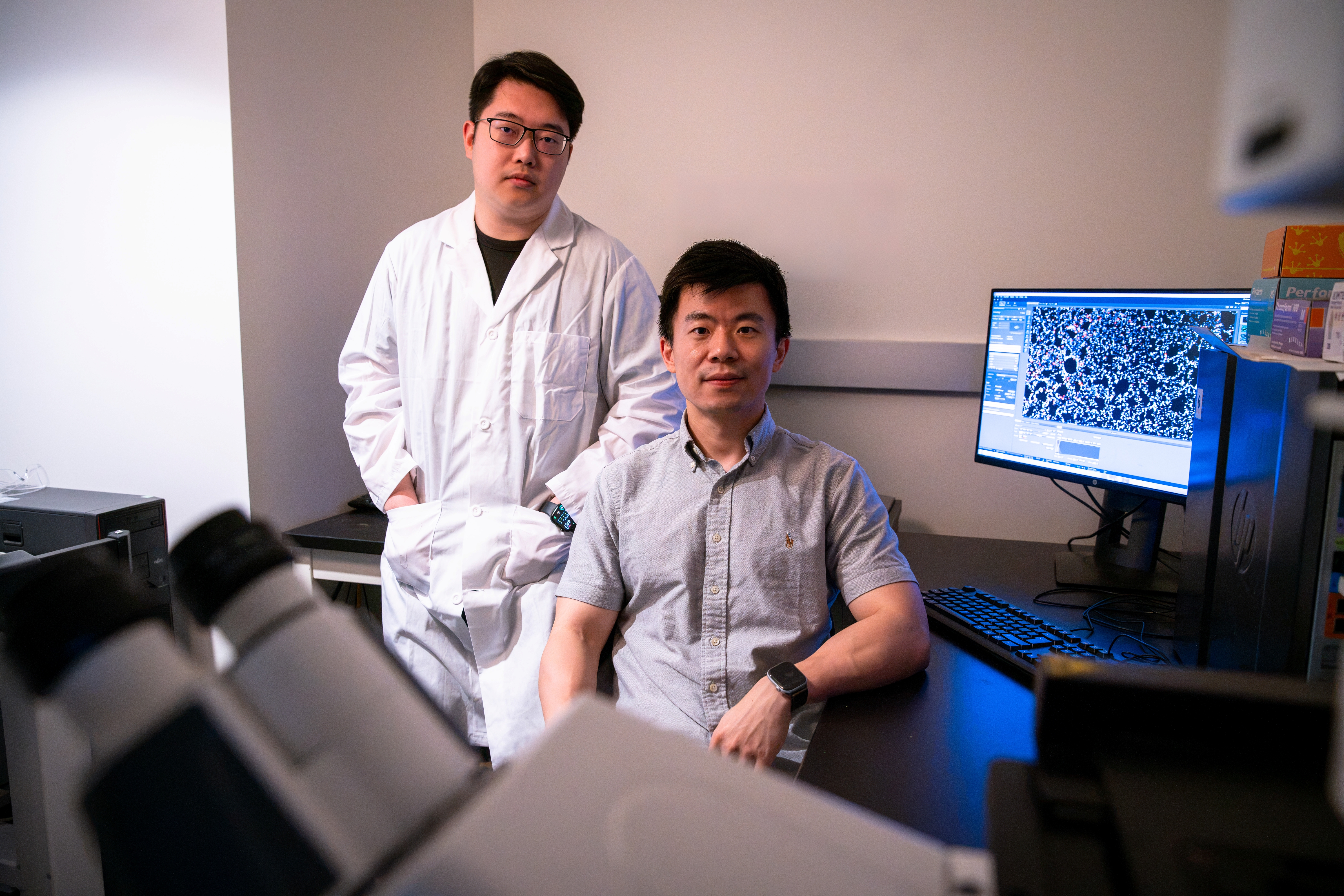
In a Perspective accompanying the study, Jacob W. Myerson and Drew Weissman noted, “The results of Chen et al. have implications for thousands of cystic fibrosis patients.”
Much more work is needed before tRNA therapy could feasibly be used in humans with CF, but Myerson and Weissman describe the results as “a promising step forward.”
“Rather than permanently rewriting DNA, we may be able to teach the cell’s existing protein-making machinery to work around certain genetic errors. That is a concept we are very excited to explore further,” Li told IFLScience.
“tRNA has been central to biology for billions of years, but compared with mRNA it remains remarkably underexplored as a medicine.”
The study is published in Science.