Health and Medicine
 PUBLISHED






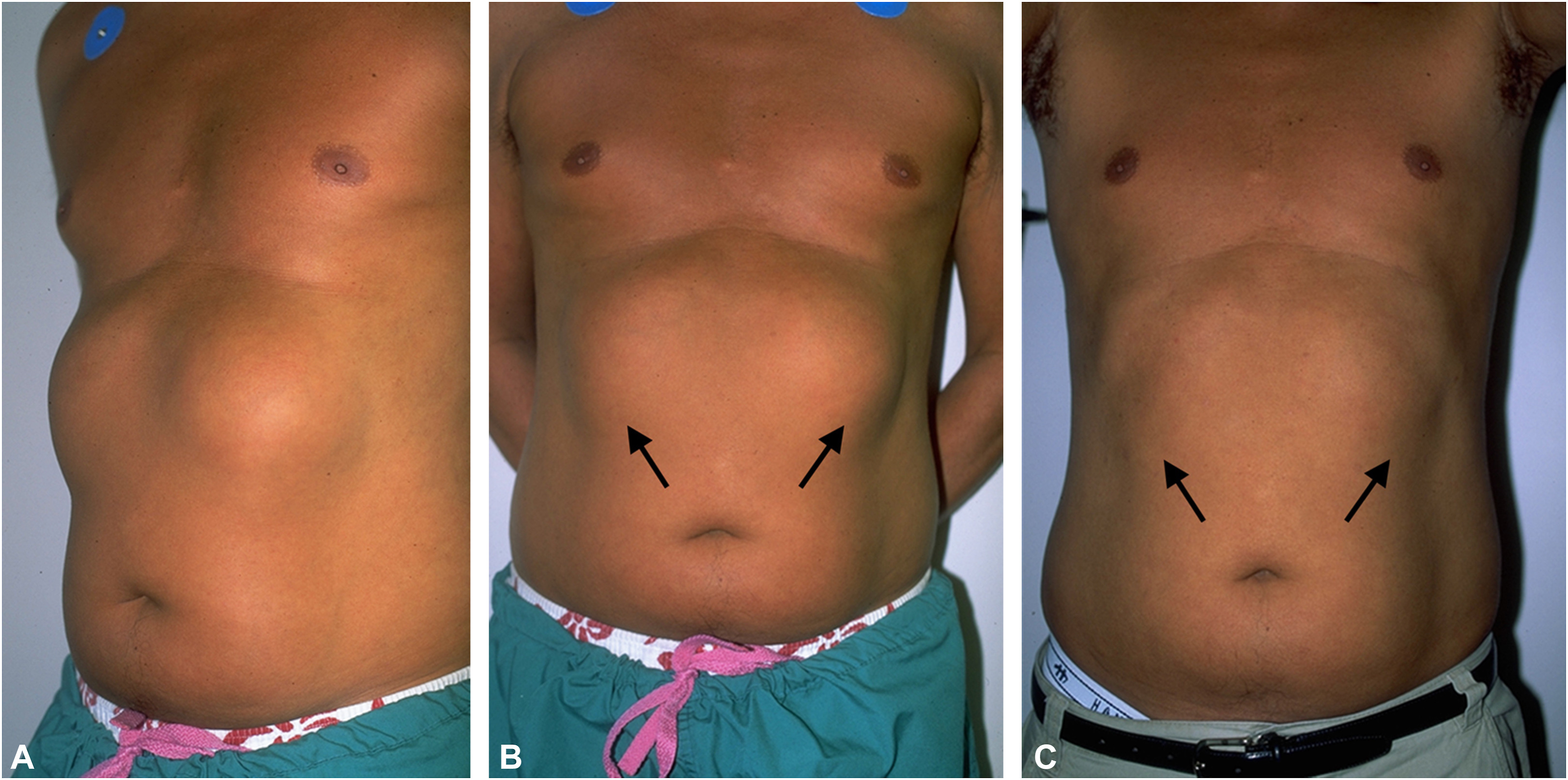
Doctors have noticed that die-hard surfers can sometimes develop fatty, fibrous growths on their upper bellies. In a medical case study, a team of experts in the US has documented the diagnosis and treatment of the unusual bumps, which they call “liposurfomas.”
Liposurfomas and surfer belly
A team from the UC Irvine and Albany Medical College reported seven cases, all male and avid surfers in their 40s and 50s, who had developed a fatty bulge on their abdomen.
The paper, first published in 2024, explained that the condition was the result of “repetitive contact with the surfboard while prone paddling.”
In other words, they developed the growth from hours upon hours of lying chest-down on their boards, waiting to catch a wave. Over time, repeated microtrauma is thought to trigger the body’s self-repair mechanism, leading to inflammation and the proliferation of fat cells in the affected area.
“These masses gradually increase in size with increased surfing activity and slowly diminish in size with prolonged surfing inactivity,” the paper added.
How to fix liposurfomas
Five of the surfers underwent surgery to remove the growth, but two of them declined the operation after being told they’d have to give up surfing – that’s dedication, you could say. Besides, the researchers believe that the growths are benign, so the need for removal is largely cosmetic.
That said, they did add that the risk of these tumors turning nasty and malignant is currently unknown since so few cases have been reported.
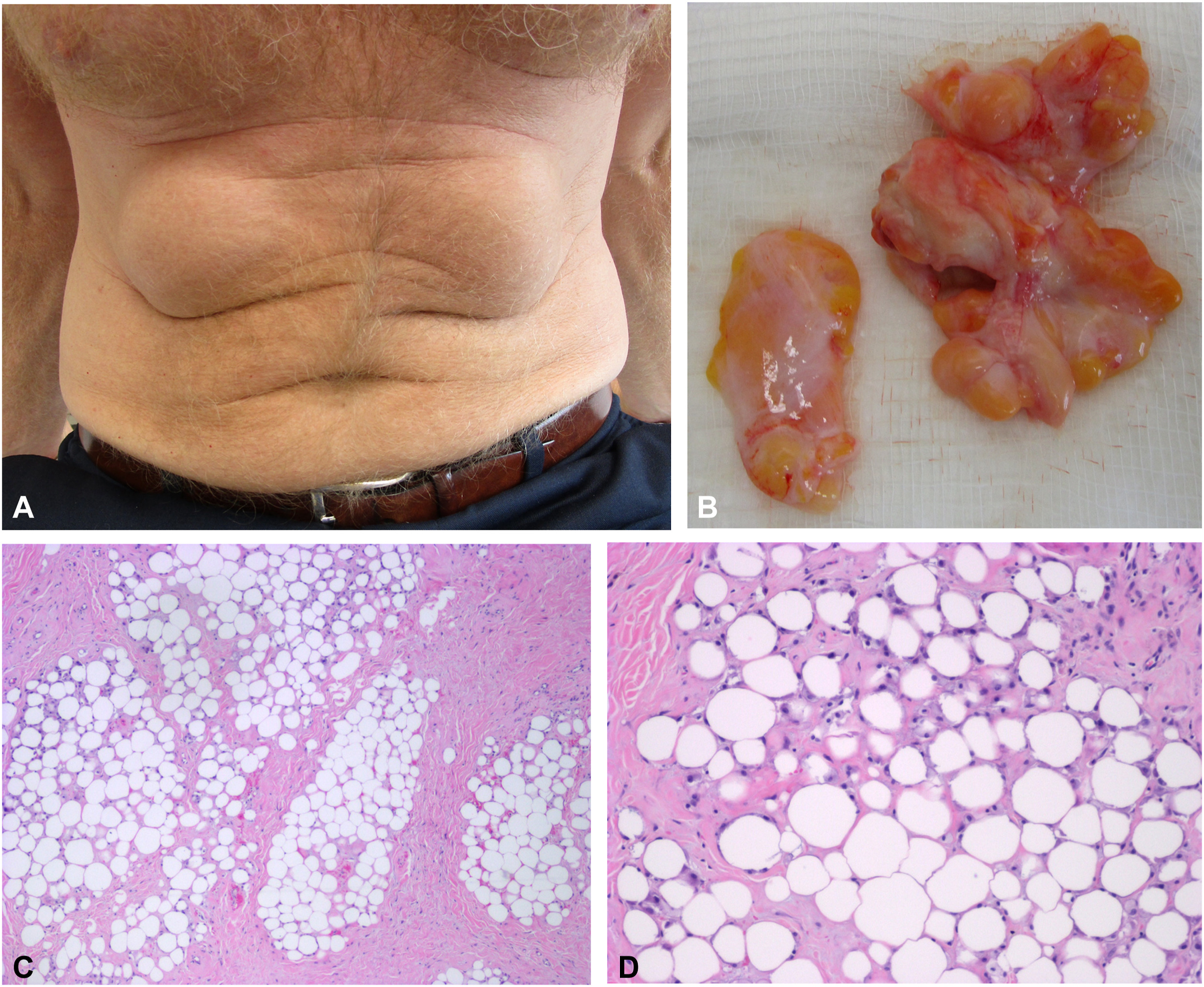
Three of the patients had the growth treated with surgery and a good-old-fashioned scalpel, which removed a pinky-orange mass, typical of fat deposits, and surrounded by a thin casing of collagen. The remaining two underwent liposuction to suck out the fatty tissues.
After catching up with the patients months after the treatment, all appeared to be a success. One of the liposuction cases had lesions partially regrow after 12 months because he kept surfing, but a second round of treatment gave a satisfactory result.
The doctors were clear that liposurfomas are very different from so-called surfer's knots, which are the hard, callus-like masses that can grow on the knees, feet, and toes of longboard surfers who paddle while kneeling.
In contrast, liposurfomas are fatty, soft, and found on the chest, and they primarily affect shortboard surfers who often paddle in the prone position.
The benefits of surfing
Surfing comes with all kinds of risks – from physical injuries and surfer’s ear to the ever-present threat of antibiotic-resistant bacteria – but also holds many potential benefits.
Studies have found a link between surfing and better mental wellbeing, while others have highlighted its positive benefits for physical health.
That’s especially true for lifelong surfers as they approach older age. One piece of research from 2009 found that surfing over many years may help the body adapt in ways that keep the nerves and muscles working smoothly, which can ultimately lead to improved quality of life as people age.
The new study was published in JAAD Case Reports in June 2024.