Health and Medicine
 PUBLISHED



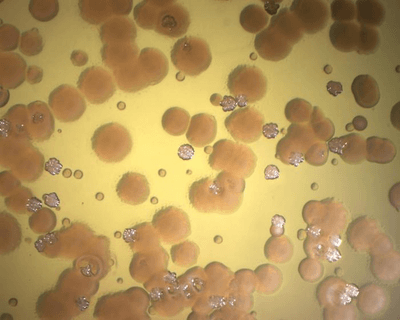


Scientists have discovered why antibiotic resistance sometimes shoots up dramatically in people with cystic fibrosis, suddenly reversing progress against lung infections that seemed to be coming under control.
Just when bacterial infections are being beaten down by antibiotic treatments, the responsible microbes receive a plasmid transfer of antibiotic-resistant genes. This could, however, be the tip of an iceberg that may affect people with other conditions too.
Cystic fibrosis interferes with the body’s capacity to clear mucus from the lungs, providing opportunities for pathogenic bacteria to flourish.
A gene therapy is in clinical trials, but powerful antibiotics remain the primary defense and probably will continue to be for some years to come. Antibiotic resistance therefore poses a danger in many situations, but doctors have been baffled by how fast it can occur in some cystic fibrosis patients.
A different way to gain resistance
When Dr Sardar Karash of the University of Washington investigated, he began to suspect there were exceptions to theories about how such resistance develops. He has now proved this is the case, and identified the culprit.
“Resistance developing inside patients was thought to be caused by the accumulation of mutations in the bacterial genome,” Karash said in a statement. “Because this process is gradual, physicians have time to react.”
Not all patients get that kind of monitoring, of course, but cystic fibrosis patients in good hospitals have their infections tested frequently so that treatments can adapt when signs of resistance appear.
Karash, however, saw patients whose resistance to the antibiotic tobramycin increased 10,000-fold shortly after treatment started. But when he sequenced samples of the pathogens, he couldn’t find mutations that would explain this rapid development.
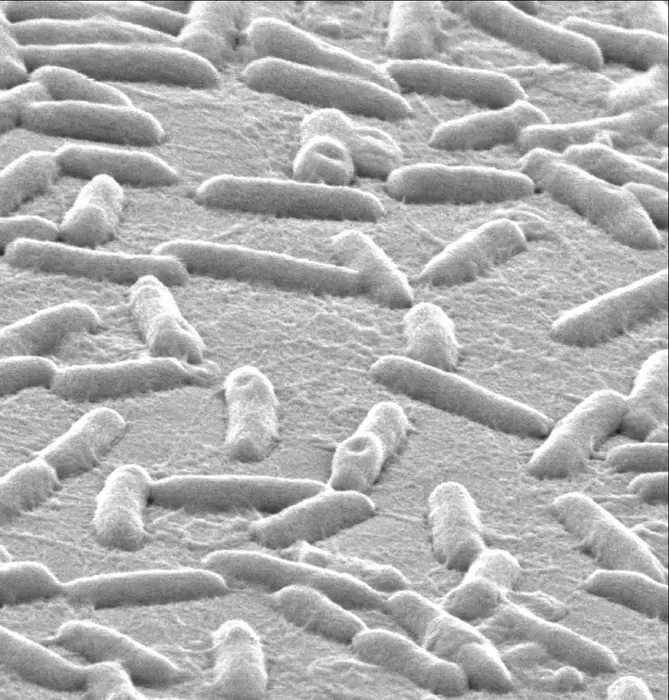
“The approach we used was state of the art,” said Karash, “but it sequences short DNA strands and then strings them together. This is great for finding mutations, but it can miss new pieces of DNA that are acquired.”
Although mutations usually fuel evolution, horizontal gene transfer can play a role as well. This is a process in which genetic material is passed between different organisms, and is particularly common in bacteria where a species can acquire novel genes from an entirely different species.
But in addition to single genes, these transfers can also involve circular pieces of DNA known as plasmids.
When Karash and colleagues used a technique that sequences longer stretches of DNA, it revealed the presence of plasmids in the resistant bacteria, which were not there before the resistance appeared. A gene on these plasmids, not previously known to contribute to antibiotic resistance, was found to induce resistance in bacteria previously sensitive to antibiotics.
The key question then became the source of the plasmids.
“Many bacteria can’t take up plasmids on their own, so we suspected they had help,” said Professor Pradeep Singh.
How did the bacteria get these plasmids?
Re-testing samples from patients’ lungs sometimes revealed the presence of certain environmental bacteria. Usually, clinicians seldom pay much attention to these.
“We see environmental bacteria in patient samples from time to time,” said Singh, “But we thought they were pretty harmless as they aren’t very virulent and only appear transiently.”
However, the team found that certain bacteria mostly showed up immediately before the pathogens’ antibiotic resistance surged. Karash proved the natural suspicion correct.
He not only found identical plasmids in the environmental bacteria as in the resistant strains, but could show that the plasmids can be transferred into the pathogens and instantly cause an antibiotic resistance spike.
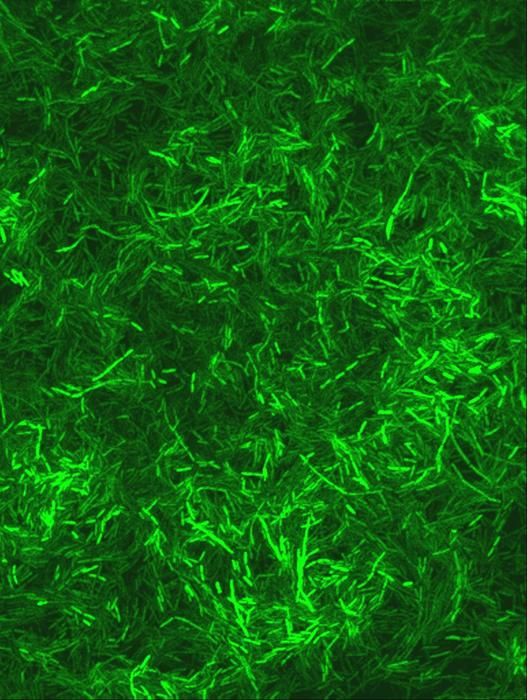
In one case, the transfer was between two bacteria from the same genus. While Pseudomonas aeruginosa causes disease, a related species P. putida is harmless. Crucially, however, it carries a resistance plasmid and was found to give this to its more dangerous cousin.
But it was the transfer of plasmids to an Achromobacter species from more distantly related bacteria that showed how hazardous this could be.
This could be a broader problem
The most immediate conclusion could be that more efforts should be made to control what cystic fibrosis patients are breathing in, but the lessons could be a lot broader.
“If environmental bacteria can ferry resistance genes inside human organs, we have to worry about what other genes might be transferred,” Karash said. Singh also noted that, “Environmental bacteria are highly diverse. They can carry genes that can do almost anything.”
The authors fear we may see examples in which plasmid transfer enables pathogens to evade the immune system or access parts of the body they normally can’t.
The cinematic cliché of the almost-beaten hero being thrown a weapon or lifeline just when all hope is lost has been turned on its head, with the lethal bacteria getting the unexpected assistance instead.
Hopefully, however, science can ensure there's a happy ending after all, using the knowledge of this new route to tackle the dangers.
The study is open access in Nature Microbiology