Humans
 PUBLISHED



This week, a study centered around tickling apes has found we may have been chuckling this way for 15 million years, the largest visible light photo ever taken of the Milky Way's beating heart contains more than 60 million stars, and ancient Neanderthal DNA could debunk a leading theory as to why they went extinct. Finally, we meet the future robotic explorers of the Moon, Mars, and beyond.
Create an IFLScience account to get all the biggest science news delivered straight to your inbox every Wednesday and Saturday.
Younger Generations Seem To Be Aging Faster – And It May Be Raising Their Cancer Risk
Researchers around the world are trying to understand why rates of some cancers are rising in younger generations, and newly published findings from a global research initiative suggest accelerated aging might be playing a role. Read the full story here
Orangutans, Gorillas, Chimps, And Bonobos All Laugh Just Like Humans. That Means We’ve Been Chuckling This Way For 15 Million Years
Ever wondered what it’s like to tickle an ape? Turns out, they bloody love it, and lose their minds laughing just like we do. Yet tickling isn’t all fun and games, and can be serious science too. For instance, researchers have just figured out something pretty cool about the evolution of language in humans, and they did it by tickling some of our closest relatives. Read the full story here
More Than 60 Million Stars Glimmer In The Largest Visible Light Photo Ever Taken Of The Milky Way's Beating Heart
On March 23, 2025, ESA's Euclid telescope spent 26 hours looking at something different from usual. The European Space Agency mission is designed to study billions of galaxies to understand what dark matter and dark energy are. This time, though, the focus was just a little bit of one galaxy: the very core of the Milky Way. Read the full story here
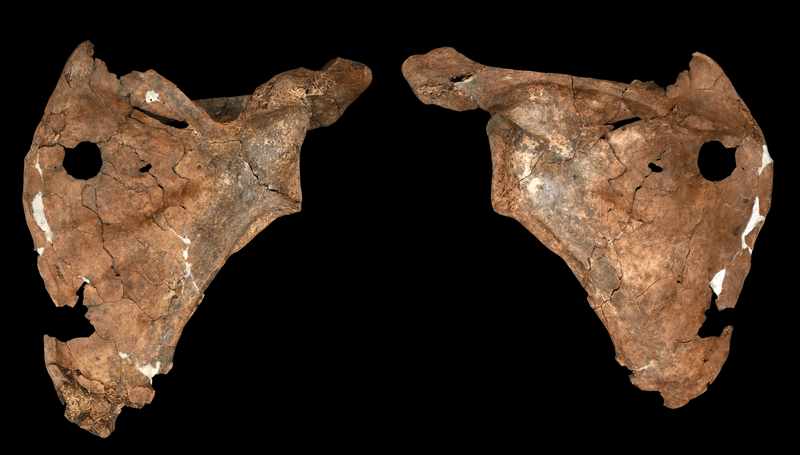
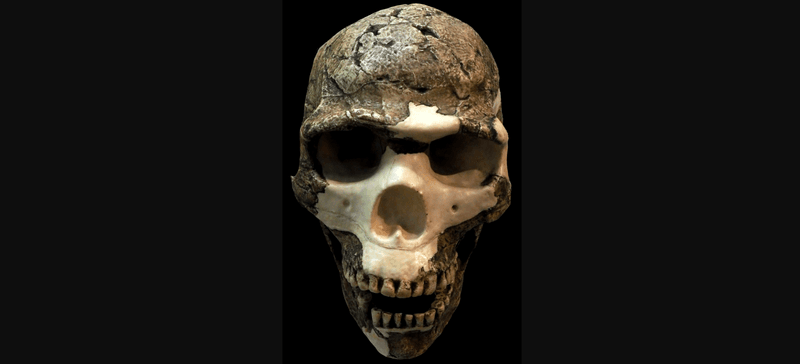
Ancient DNA Of The Last Northwestern Neanderthals Shoots Down A Leading Theory Of Why They Went Extinct
Scientists have sequenced the genomes of some of the last surviving Neanderthals of northwestern Europe and it has turned up several surprises. Neanderthals lived across much of Europe and from southwestern to central Asia until they fell into extinction approximately 40,000 years ago. Across this vast geographic expanse, different populations emerged, each with its own story buried in its genetics. Read the full story here
SETI May Have Figured Out Why We Haven't Detected Any Alien Signals Yet, Explaining At Least Part Of The Infamous Fermi Paradox
Researchers from the search for extraterrestrial intelligence (SETI) may have figured out why we have not detected any alien signals as of yet, and it could partly explain the infamous "Fermi paradox," which basically asks: where is everybody? Since Fermi first posed the question in 1950, there have been many attempts to explain it, ranging from the benign to the absolutely horrifying. Read the full story here
TWIS is published weekly on our Linkedin page, join us there for even more content.
Feature of the week:
Meet ERNEST And Dragonfly – The Future Of Robotic Exploration Of The Moon, Mars, And Beyond
Beyond the protective bubble of our atmosphere, space remains at the very least a challenging and often an extreme environment. Where humans are yet to tread, we can send robots. And those robots are getting smarter, bolder, and better. Read the full story here
More content:
Have you seen our e-magazine, CURIOUS? Issue 47, June 2026, is available now. This month, we asked, “Should You Clone Your Pet?” – check it out for exclusive interviews, book excerpts, long reads, and more.
PLUS, the We Have Questions podcast – an audio version of our coveted CURIOUS e-magazine column – continues. In episode 22, we ask, “Where Is The Human Heart Located?”
The Big Questions podcast is back for season 6! In episode 1, we ask “Should We Send Signals To Aliens?” Host Dr Alfredo Carpineti speaks to Dr Vishal Gajjar, an astronomer with the SETI Institute, about should we, not just can we, actively message aliens.
Our Break It Down podcast now has a new monthly format, coming at you in both audio and visual. So tune in each month to hear about some of the wildest science stories and adventures we’ve been on. Kick off this month with “Artemis II Records, Neanderthal Not-Hybrids, And Introducing ‘Moon Joy’”