Humans
 PUBLISHED
 9
9


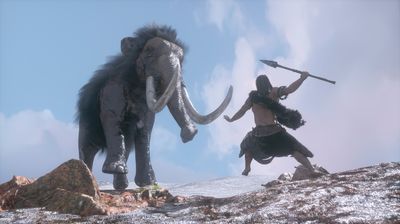


Scientists have sequenced the genomes of some of the last surviving Neanderthals of northwestern Europe, and it has turned up several surprises.
Neanderthals lived across much of Europe and from southwestern to central Asia until they fell into extinction approximately 40,000 years ago. Across this vast geographic expanse, different populations emerged, each with its own story buried in its genetics.
In a new study, researchers focused on those who forged out a living in northwestern Europe. To sketch their story, an international team led by researchers from the Max Planck Institute for Evolutionary Anthropology in Germany sequenced DNA from 27 Neanderthal remains found across seven locations in modern-day Belgium and France.
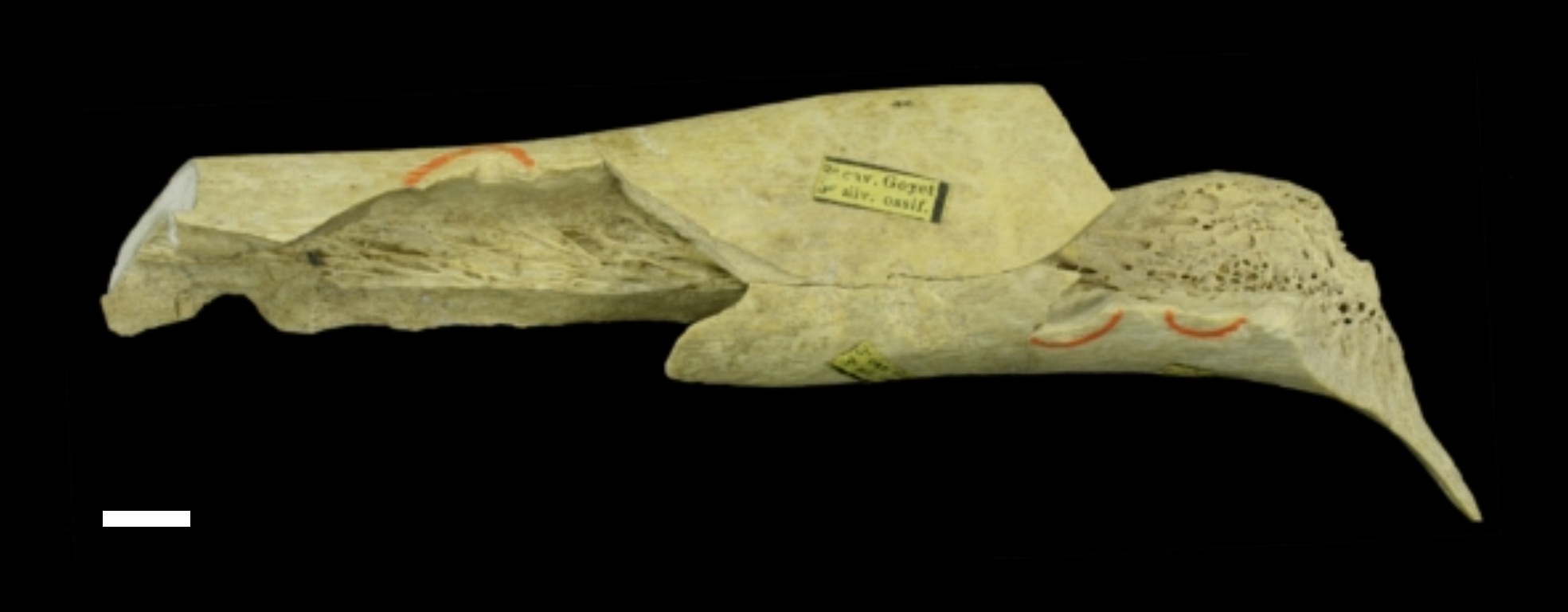
Many of these individuals lived shortly before their extinction around 45,000 years ago, making them some of the last of their kind. But the findings suggested that inbreeding – often cited as a key culprit of Neanderthal decline – was not much of a problem in this population. By all accounts, the population had a healthy, well-connected gene pool.
“Unlike older Neandertals in the East, these northwestern Neandertals show less inbreeding and appear to be more genetically diverse,” Alba Bossoms Mesa, lead study author from the Max Planck Institute for Evolutionary Anthropology, told IFLScience.
“We found no evidence of progressive genetic deterioration shortly before Neandertal extinction. Their genomes do not show increasing genetic burden or a clear decline in diversity over time, providing little support for the idea that genetic decline was a primary cause of their disappearance,” she added.
Based on the timing, this group of northwestern Neanderthals likely lived close to early modern humans (Homo sapiens, AKA us) for a long time, potentially up to 500 generations.
It's well established that Neanderthals and early modern humans interbred elsewhere in Eurasia, and that modern humans carry Neanderthal DNA as a result.
We have several examples of early modern humans who had a Neandertal ancestor only a few generations back. In some cases, a Neandertal was effectively their great-great-great-grandparent.
Alba Bossoms Mesa
However, despite this long overlap in northwestern Europe, the Neanderthal genomes in this study showed little to no trace of modern human DNA. At the same time, it's evident that early modern humans were picking up genes from Neanderthals.
This asymmetry, the researchers say, is something of a puzzle.
“During the period when modern humans and Neandertals coexisted in Europe, the evidence for gene flow between the two groups appears to be asymmetrical: We have several examples of early modern humans who had a Neandertal ancestor only a few generations back. In some cases, a Neandertal was effectively their great-great-great-grandparent,” added Bossoms Mesa.
“By contrast, we do not yet have a single confirmed example of a Neandertal individual with a recent modern human ancestor in their family tree,” she explained.
“Why this asymmetry existed remains an open question,” Bossoms Mesa pondered.
One of the big takeaways from the research is that Neanderthals can't be painted with broad strokes. As with any species, human or otherwise, it's tempting to bundle them all into one neat package with a bow on top, but easy generalizations fail both to capture their complexity and accurately depict reality.
"Our results show that the picture emerging from one region cannot simply be applied to all Neandertals," Benjamin M. Peter, senior author and group leader at the Max Planck Institute for Evolutionary Anthropology, said in a statement.
"Rather than viewing late Neandertals as a single declining population, we are beginning to recognise a more complex picture of regional diversity, connectivity, and population history," added co-author Janet Kelso, a group leader at the Max Planck Institute for Evolutionary Anthropology.
The study is published in the journal Nature.