Nature
 PUBLISHED


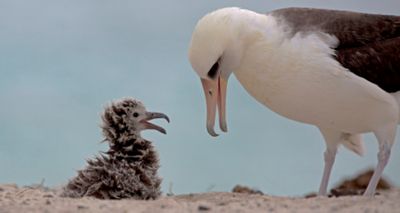


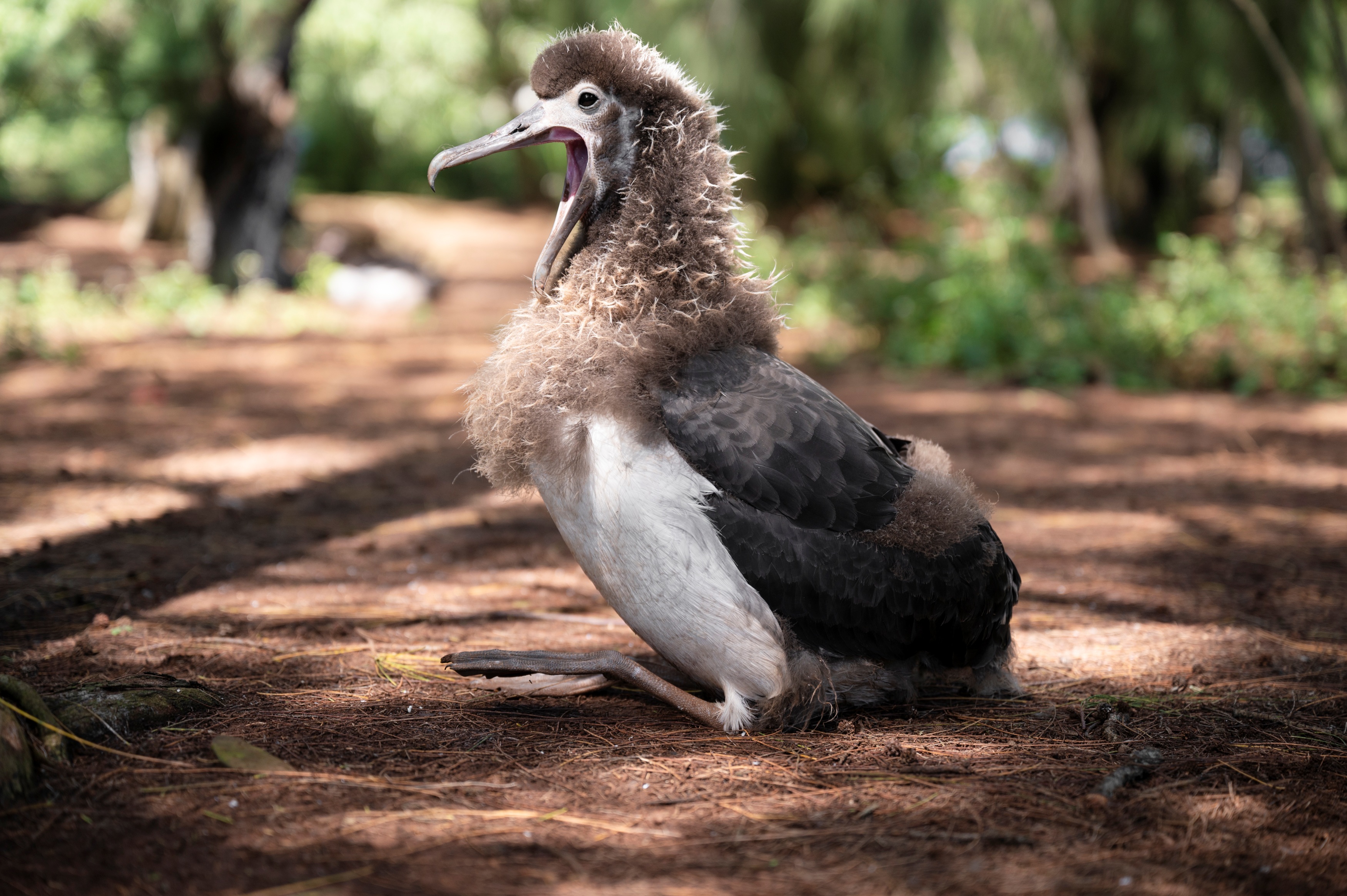
Start of the week got you down? We’ve got just the balm: a fluffy little albatross chick with one of the most famous grandparents out there. Who, we hear you ask? The legend that is Wisdom, the oldest known wild bird in the world.
Shared in a new video posted on social media by the US Fish and Wildlife Service (FWS), the young Laysan albatross hatchling, who popped out earlier in March, is the offspring of a male tagged N333, who was hatched by Wisdom (AKA Z333) back in 2011.
This isn’t N333’s first foray into fatherhood, having been recorded partaking in the annual albatross breeding season since 2021. As with his own hatching, his latest chick came into the world at Midway Atoll National Wildlife Reserve (NWR), joining what the FWS describes as “hundreds of thousands” of Laysan and black-footed albatross chicks currently finding their feet at the reserve.
“As chicks get stronger they will have more independent time and stray further from the nest before eventually fledging in the summer,” said the FWS. “Once fledged, the young mōlī will spend three to five years at sea before returning to their nesting colony to find a mate.”
But of all the millions of albatrosses to have bred and/or hatched on the islands over the years, Wisdom is no doubt the most recognizable. Officially the world’s oldest known wild bird, with an estimated age of at least 74 years old (as of 2025), she’s become an icon not just for her age alone, but also in helping scientists understand more about seabird lifespan and breeding.
And best believe Wisdom has bred – prolifically. Over the course of her long life, it’s estimated that she’s produced between 50 to 60 eggs, with N333 marking just one of the chicks that successfully fledged from those.
The majority of these eggs were the result of Wisdom’s partnership with Akeakamai, who was thought to have been her mate for an impressive 60 years before going missing in 2021, later believed to have died. Still, Wisdom returned to the atoll each year.
Then, in 2024, she was spotted taking part in courtship dances once again – and later that year, at the grand old age of roughly 74, Wisdom laid an egg once again.
Given Wisdom’s age and her number of chicks over the years, we can safely say that N333’s latest addition probably isn’t her first grandchick – but hey, any delightfully scrungly baby bird is exciting news for us, particularly when it’s an albatross.
Laysan and black-footed albatrosses, the two species seen breeding each year at Midway Atoll NWR, are considered near-threatened by the IUCN. While the former has a stable population and the latter an increasing one, both remain in danger from threats such as incidental capture by commercial fisheries, climate change, and pollution.
Seeing new chicks in the face of such threats is a win, and if conservation efforts continue, you never know – this latest one might just live as long as its grandma.