Nature
 PUBLISHED


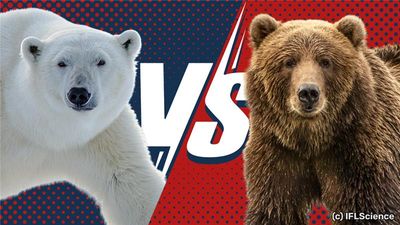


When it comes to the question of which species of bear is the largest on the planet, the answer may seem obvious to some. The polar bear is clearly the winner of this competition if we are going by a species-to-species comparison, but the situation becomes less clear if we expand the category to include sub-species, such as the Kodiak bear.
There is also the issue with terminology. How do we define the “largest” in this context? Do we go with the average weight or height across the species, or do we consider the largest individual specimens ever recorded? These points are all contestable, but here are the profiles for each of these two heavyweight contenders.
Polar bears (Ursus maritimus)
In one corner, we have the polar bear. It is not only recognized as the largest overall species of bear but is also the largest terrestrial carnivore in the world. They have no natural predators and have adapted to survive in the frozen arctic climate where they live off seals, small walruses, and even whales.
Adult male polar bears are massive, they can grow between 2.1-2.7 meters (7-9 feet) in length and reach a height of 1.5 meters (5 feet) at their shoulders. Males can also reach weights that range between 362-590 kilograms (800-1,300 pounds). This is weighty indeed, but the heaviest specimen on record was estimated to be between 900-1,000 kilograms (1,984 and 2,210 pounds), depending on the source. This monstrous bear was unfortunately shot in the Chukchi Sea, west of Kotzebue, Alaska, in 1960.
Females are much smaller than males, sometimes half their size, and weigh between 150-295 kilograms (330-650 pounds).
Kodiak bears (Ursus arctos middendorffi)
In the other corner, we have Kodiak bears, a sub-species of the brown bear. These large bears only exist on the Kodiak Archipelago in Alaska. There are around 3,500 Kodiak bears on the archipelago, and they have similar diets to grizzly bears (Ursus arctos horribilis) – a mix of salmon, berries, rodents, carrion, roots, and grasses.
It is believed that these bears diverged from their brown bear relatives around 12,000 years ago and they have now developed some distinct morphological traits. This includes being larger and stockier than their counterparts.
As with polar bears, they are sexually dimorphic, meaning males tend to be larger than females. They can reach sizes between 0.9 and 1.5 meters (3 to 5 feet) at the shoulder and reach up to 3 meters (10 feet) in length.
Kodiak bears, like other coastal brown bears, can weigh twice as much as their grizzly cousins. Adult males can weigh between 272-635 kilograms (600-1,400 pounds), while females can reach 136-318 kilograms (300-700 pounds).
The largest ever recorded Kodiak bear, aptly named Goliath, was apparently just as heavy, if not heavier than, the largest polar bear on record. This specimen, which lived at the Space Farms Zoo in Sussex, New Jersey, in the early 1980s, was said to have been over 900 kilograms (1,984 pounds) in his prime. Though again, the exact weight varies between sources.
Who wins? Both?
As you can see, the title for which bear is the largest in the world is difficult to decide based on these comparisons. This is also made more complex when you factor in seasonal changes, whereby a bear’s weight will be significantly lower in the spring than in the fall, when they are preparing to hibernate again. Anyone who has ever taken notice of Fat Bear Week will know how dramatic the differences here can be.
We may also see less weighty polar bears going forward as their species continues to struggle with habitat loss as a result of climate change. The progressive loss of ice has seriously impacted their ability to hunt.
As such, it seems the title of which bear is the largest remains an open question. It is probably best to say they draw as both polar bears and Kodiak bears are enormous creatures, and both are worthy of the title. I mean, would you want to fight with either of them over it?
[H/T: Library of Congress]