Nature
 PUBLISHED
 2
2



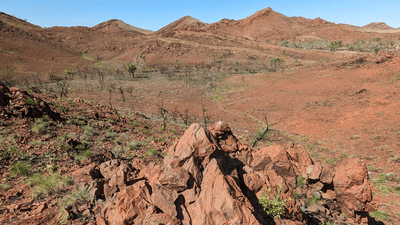


An impact crater suspected to be the oldest surviving on Earth has been dated directly, confirming it’s the only known crater surviving from the Archean Eon. The finding opens the door to studying the way impacts changed the geology and chemistry of the early Earth.
No one doubts that plenty of craters were made during Earth's early years - the Moon is testimony to the bombardment we took. But most have eroded beyond recognition.
When the North Pole Dome impact crater was discovered in Western Australia, geologists were excited because the finders estimated its age at 3.5 billion years. Previously, the oldest impact crater was considered to be the 2.2 billion-year-old Yarrabubba crater, also in Western Australia, so an extra 1.3 billion years represented an enormous gap.
But a subsequent study concluded that while the North Pole Dome crater was a maximum age of 2.7 billion years old, it might be as young as 400 million years. A mere spring chicken, by geological standards.
With such an enormous age range, it opened up questions as to whether the crater was all that significant at all.
Despite the vast differences in their estimates, Professor Chris Kirkland of Curtin University told IFLScience that both studies had the same fatal flaw. Neither dated the crater directly. Instead, they estimated the age of the strata in which the impact could be seen based on earlier age measurements of rocks that the authors thought belonged to the same strata.
However, those measurements had been taken hundreds of kilometers away, with the authors of the papers concluding, "This rock looks like another rock [that had been dated]" and assuming they were from the same formation. As Kirkland noted, finding one black rock in Australia and identifying it as resembling another black rock isn’t a particularly reliable way to date such a potentially important find.
Instead, Kirkland is part of a team that studied zircons from the crater itself. Zircons are beloved of geologists because when they form, they capture uranium but exclude lead. Over time the lead decays into uranium, meaning that the proportion that has decayed can be used to age the zircons, and thus theoretically the crater itself.
In this case, the figure came back as a still impressive 3.02 billion years old.
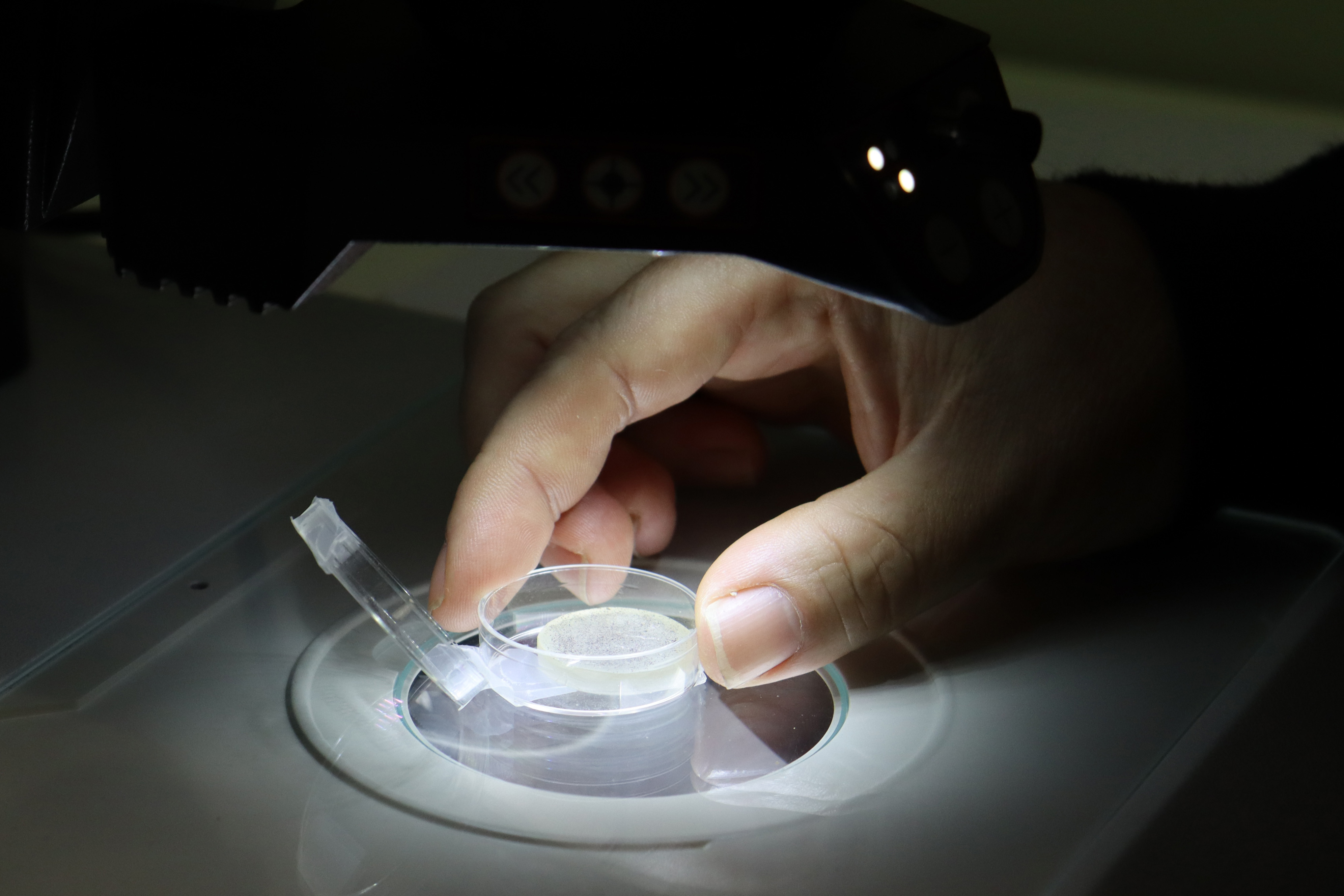
The measurement, however, is complicated in this case. That's because the zircons are in rocks Kirkland and his co-authors think are considerably older. But despite this, they found that something caused the rocks’ zircons to melt and recrystallize, effectively resetting the uranium-lead clock in the process. The team are confident that the melting was caused by the impact and so accurately reflects the age at which the crater was created.
“Ancient impact craters are incredibly difficult to date because over billions of years, rocks are altered by heat, pressure and fluids, which can obscure or reset the original impact signals," Kirkland said in a statement. "What we’ve been able to do here is separate the moment of impact from its long geological history.”
“This discovery pushes Earth’s impact record deeper into geological time than any previously well-dated crater, offering a rare glimpse of the violent processes that shaped the early Earth.”
Consequently, while the North Pole Dome crater is not as ancient as the initial estimate suggested, it's still the oldest known impact crater on Earth by more than 800 million years. It also means that Western Australia hosts the two oldest craters on the planet, a consequence of this being one of the oldest areas of continental crust in the world, having been relatively unchanged by tectonic processes.
Nevertheless, Kirkland told IFLScience the area has changed enough that the true size of the crater, and therefore the impactor that made it, is not yet known. Therefore, he can’t make a comparison with Chicxulub, the world’s best-known impact crater that saw off the dinosaurs.
Kirkland hopes further study will answer that question, as well as offering new insights into the early periods of Earth's history.
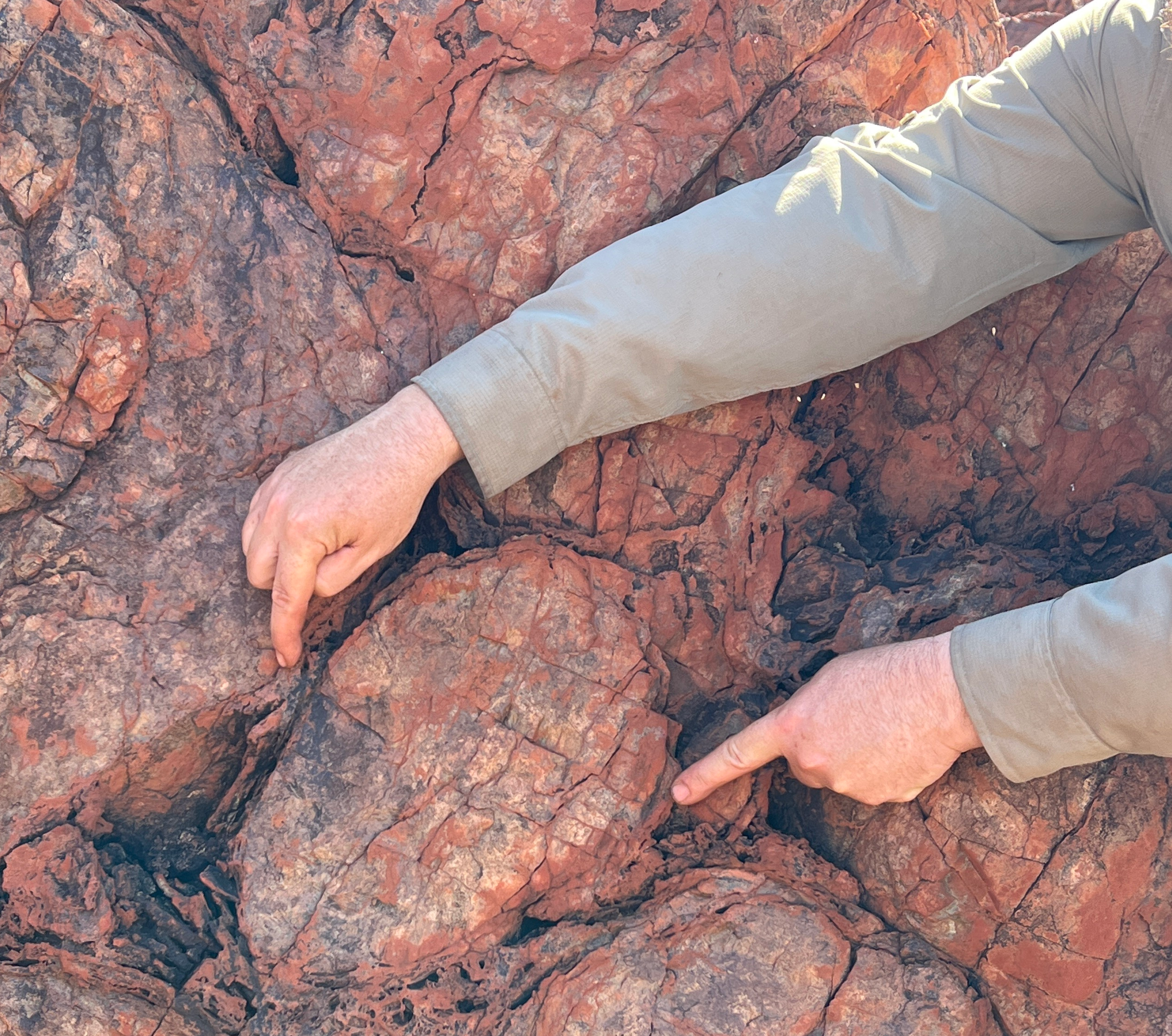
For example, it could help reveal how hot water percolated through the rocks after the impact. This could also help rule out other geological goings on in the region. Kirkland noted that “the sequence of rocks that the crater is in is the same sequence that contains stromatolites,” which are some of the oldest evidence of life on Earth.
While the North Pole Dome impact occurred after the oldest stromatolites were alive, it fractured the rocks and brought hot water and minerals to the surface. Without awareness of the impactor, scientists might have thought the fracturing contributed to the stromatolites’ appearance.
Kirkland also notes that the North Pole Dome is an odd name for a southern hemisphere site, calling it “classic irony” similar to the Australian reflex of calling their tallest friend “shorty”.
The name came about as fluids laced with minerals flowed through rocks in the area, leading to rich gold and barium deposits. Prospectors hunting for these minerals were confronted with the searing summer heat of Western Australia, one of the hottest places on Earth. Jokingly, they therefore called it the “North Pole” for its extreme lack of snow or cold.
While the impact is known to have brought some minerals to the surface, Kirkland didn’t want to say that the impact was the reason the gold was there to attract prospectors. “Other events could also have created the conditions,” he told IFLScience.
The study is published in the journal Geology.