Nature
 PUBLISHED



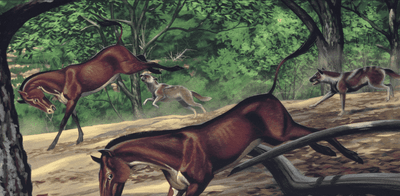


Millions upon millions of years before canids became slobbering companions, dumpster-diving coyotes, or ferocious wolves, a kind of proto-pooch was sniffing around North America.
Its lineage eventually slipped into extinction, something of an evolutionary dead end, but a fresh look at an old fossil is teaching us how these prehistoric dogs lived, long before our own early ancestors came down from the trees.
An incredible fossil
The discovery comes in the form of a 30-million-year-old fossil entombed in a slab of rock excavated from a cliff face in eastern Oregon, near the Pacific coast of North America.
It was originally unearthed in the 1980s and spent most of the following decades sitting quietly in an Oregon museum collection. Palaeontologists had initially assumed it was an oreodont, an extinct kind of animal that looked a bit like a mash-up between a sheep, a camel, and a pig.
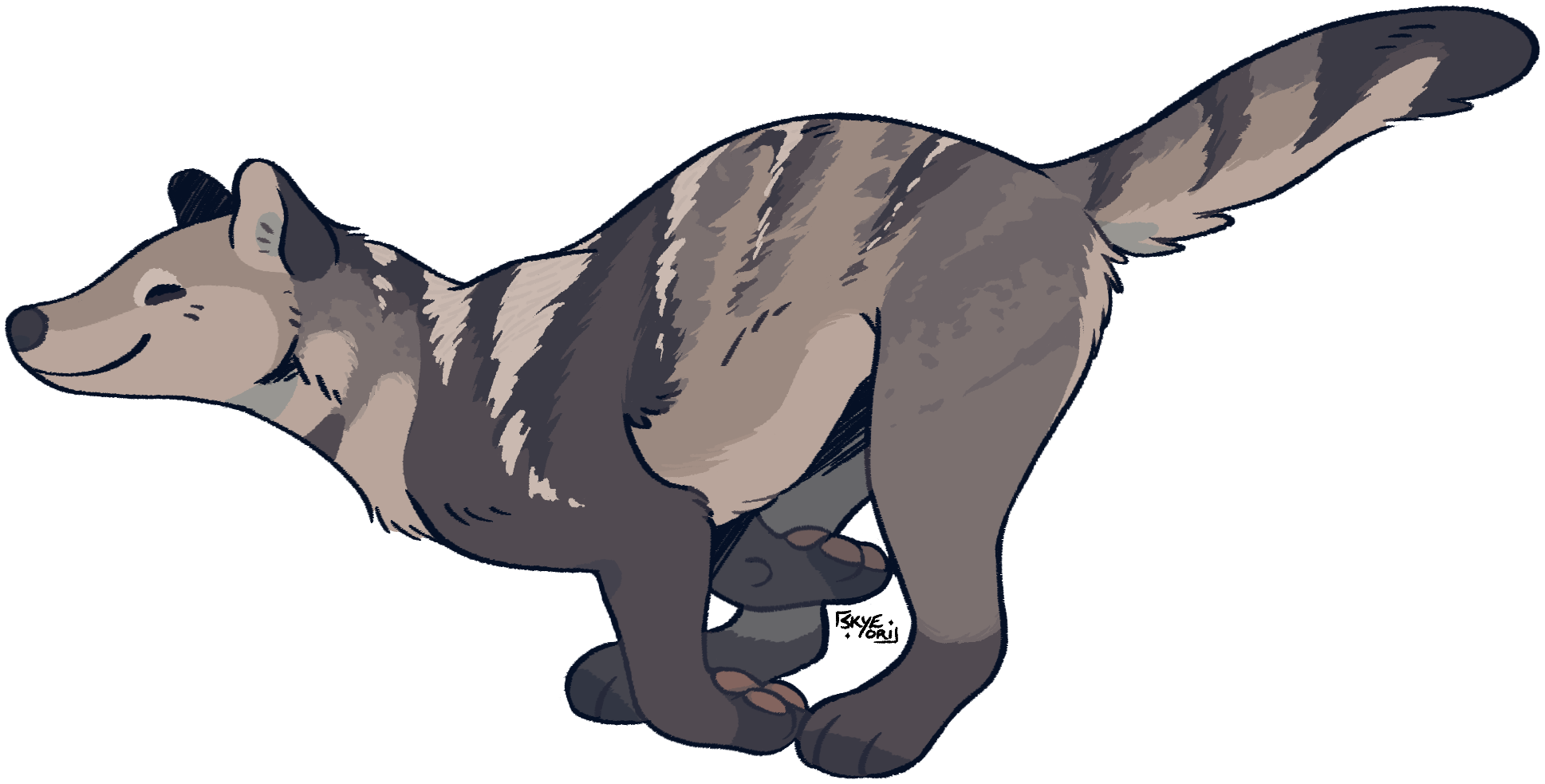
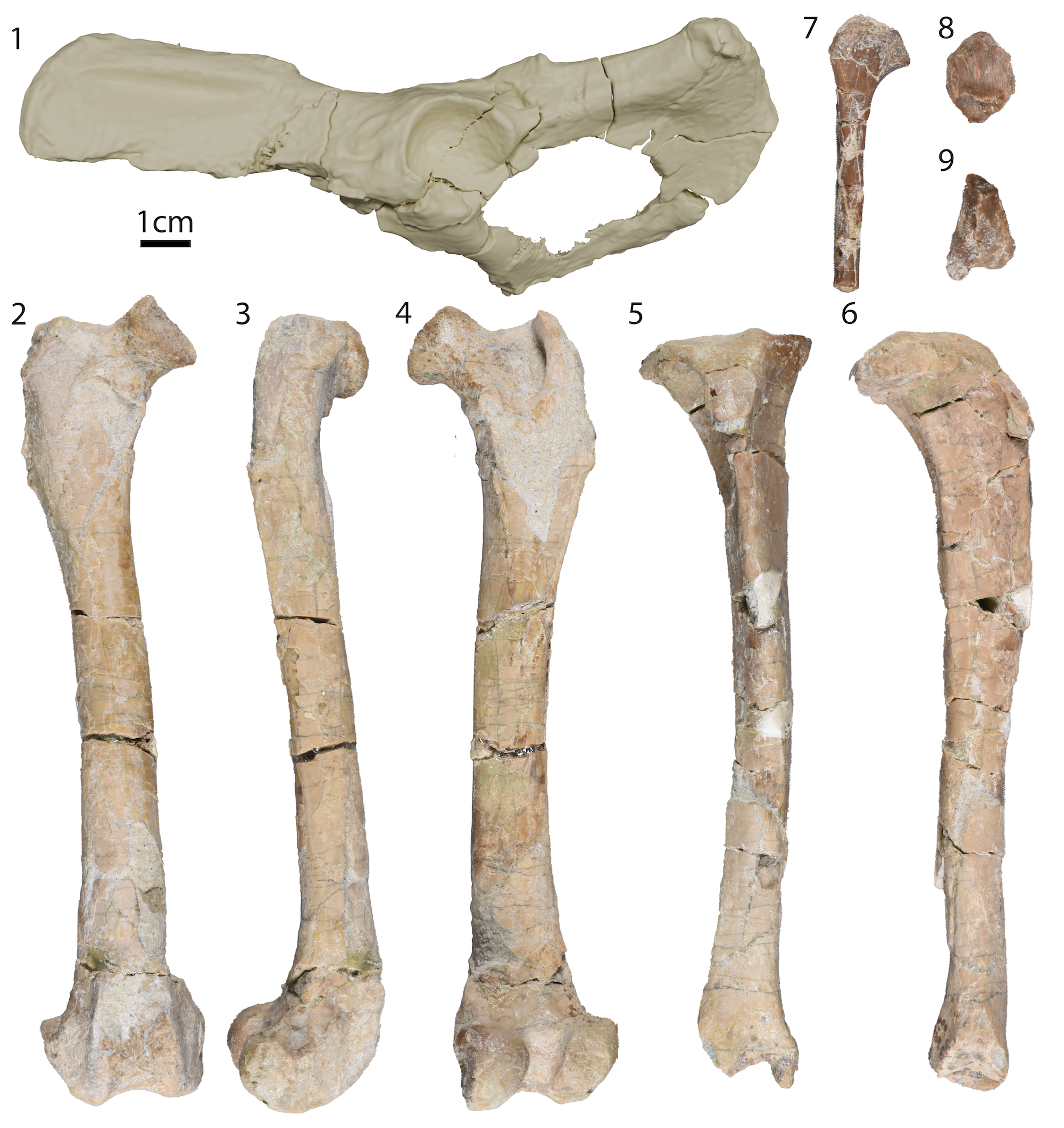
However, the fossil was recently revealed to be much rarer: an early canid called Mesocyon coryphaeus. The extinct species had previously been identified only from fossil skulls, but this specimen includes leg bones, hip bones, ribs, vertebrae, and even a penis bone.
“It even had the baculum, so the penis bone. That means we definitely know this was a male,” Anne Kort, lead study author and palaeontologist at the University of Michigan, said in a statement.
In the new study, Kort and her team compared the fossilized bones with the bones of other canids. Surprisingly, the smoking gun was a hereditary bone growth found at the end of its wrists, called an osteochondroma, which is present in the majority of early dog fossils.
“It’s just this really cool direct hereditary link that we wouldn’t normally find,” Kort said. “This is another line of evidence, and that gives you an idea of how great this fossil is.”
Nothing like your pet
Bear in mind, 30 million years is a long time, even by evolutionary standards, so M. coryphaeus was many steps removed from the pet currently begging you for a walk.
The first true canid we know of, Hesperocyon, appeared about 40 million years ago, so this specimen sits roughly 10 million years into the dog family's history.
To put that in a bit more perspective: our species, Homo sapiens, only emerged around 300,000 years ago, while the entire human genus (Homo) dates back a mere 2.8 million years.
Around 30 million years ago, the closest thing to "us" would have been unremarkable, monkey-sized primates. Apes, as a group, had barely gotten started at this point.
But these comparisons should be drawn with caution: M. coryphaeus isn't a direct ancestor of any living canid and belongs to a long-lost branch that was ultimately doomed to extinction.
“This fossil is not our current dogs’ great-great-great uncle, because this whole line went fully extinct. And with that extinction, we did lose a whole kind of dog ecology that we just don’t see anymore,” explained Kort.
“I think sometimes there’s an assumption that life finds a way if something goes extinct. It will be replaced, or something will magically bounce back. But evolution never finds a perfect fit, it finds good fits."
"So when we lose things, they’re gone forever. They’re never going to be perfectly replaced, and I think that’s an important lesson to take away when we’re thinking about extinctions today,” she concluded.
The new study is published in the Journal of Paleontology.