Nature
 PUBLISHED
 3
3


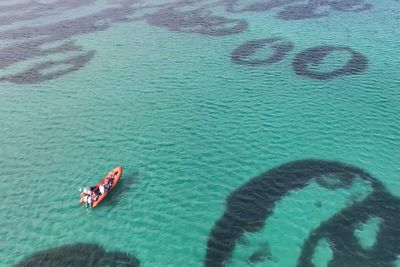


There are a lot of things even science can’t explain. In Scotland's Outer Hebrides, “fairy circles” of seagrass have formed in the Sound of Barra. While they are formed naturally, this is a rare occurrence and scientists still aren't sure why or how this happens.
Seagrass beds, typically Zostera marina, used to be a common sight across Scotland and were even used for roofing material for houses. Seagrass that washed up in Shetland was even used for cattle bedding and mattress filling.
However, in the 1930s, a wasting disease caused by a marine slime mold devastated the seagrass beds. In some areas like the Firth of Tay, the loss of this habitat was so extensive that the area has still not recovered today. Shetland used to have such plentiful seagrass that the plants had to be cut to allow boats to pass; now Shetland’s seagrass is only present in small sea inlets and lagoons. This was also true across much of Europe, and an estimated 90 percent is thought to have been lost in that region and the western North Atlantic.
“As far as we know, this is the first video of seagrass fairy circles in Scotland's seas. Our marine monitoring team call them seagrass doughnuts – but whatever you call them, they’re spectacular. We were delighted when we spotted them and were able to get some aerial video showing them off,” said Sarah Cunningham, NatureScot’s Marine Protected Area and Marine Enhancement Manager in a statement.
Other factors have also affected seagrass growth like pollution, poor water quality, and coastal damage. Dredging for razor clams and scallops is also thought to have had a negative effect.
However, there is hope for the seagrass – when conditions improve and pressures are lessened, the seagrass can recover. In the Solway Firth, the end of mechanical cockling in the early 1990s is thought to have led to seagrass bed recovery in that area, as well as an improvement in the water quality.
Seagrass plays a vital role in the habitat, protecting areas from coastal erosion, improving the water quality and helping with carbon sequestration. The seagrass beds provide food and shelter for a variety of marine life, and provide feeding grounds for pale-bellied brent geese.
“Seagrass is a wonder habitat, often likened to the rainforest because of its effect on nature and the climate. The lush meadows it creates are home to an amazing array of wildlife. Their leaves and roots also trap carbon, helping tackle the climate crisis. Seagrass can also improve water quality, reduce contamination in seafood, and act as the first line of defence along coasts by reducing wave energy, protecting people from the increasing risk of flooding and storms,” said Cunningham.
The full report can be read here.