Nature
 PUBLISHED


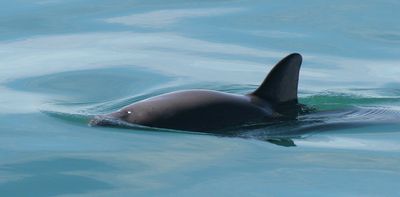


Mark your diaries, folks: On May 5, 2024, the vaquita survey kicks off as the Sea Shepherd Conservation Society goes in search of the world’s rarest mammal. Having been issued an extinction alert by the International Whaling Commission (IWC) – the first in 70 years – it’s a critical time for one of the planet's cutest cetaceans, estimated to have as few as 10 individuals left in the wild.
The survey has been running annually as an independent scientific investigation into the surviving population of the vaquita porpoise, Phocoena sinus. It’s conducted in the UNESCO-recognized Vaquita Refuge, a federally protected area where gillnet fishing is banned – one of the biggest threats to these animals.
According to Sea Shepherd, illegal fishing gear in the Vaquita Refuge has been pivotal in their downfall, and since 2015, they have been working with Mexican authorities to remove all traces of gillnets. As air-breathing mammals, vaquitas can drown when they get ensnared in human rubbish, and gillnets are particularly dangerous when it comes to getting tangled.
Vaquita porpoises live along a small strip of Mexico’s Upper Gulf of California, which will be the focus of the 2024 survey. Two ships will carry a team of experienced observers as the survey goes in search of wild vaquitas, led by Dr Barbara Taylor, who has dedicated her work to vaquitas for the last 30 years.
“The 2024 survey that we are announcing today will be the most updated scientific analysis of the Vaquita population since last year,” said Sea Shepherd CEO Pritam Singh in a statement. “The results of this survey will help guide the next steps in our growing collaboration with the Mexican Government to protect the Vaquita.”
The vaquita survey 2024 will begin on May 5 and end on May 26, as announced by the Sea Shepherd Conservation Society and Mexican government officials Secretary Albores of SEMARNAT, Commissioner Peña’ of CONANP, and Captain Miraflores of the Mexican Navy.
Sea Shepherd’s efforts will estimate the population of vaquitas in the refuge. Meanwhile, elsewhere, a new conservation collaboration hopes to support endangered animals in a different way. The de-extinction company Colossal Biosciences – known for wanting to bring back the mammoth – has teamed up with Re:Wild to create the Avengers Endgame of conservation technology and research.
“By combining forces, we hope that our focal species will have a higher chance of recovering,” said Dr Barney Long, senior director of conservation strategies at Re:wild, to IFLScience. “New technologies can help speed up conservation breeding programs, resurrect lost genetic diversity, and preserve whole genomes as an insurance in case the worst happens. Every species has very specific needs so each recovery strategy will be tailored to that species and co-developed with government, conservation and community partners as appropriate.”