Nature
 PUBLISHED
 3
3


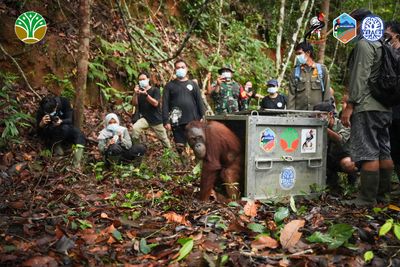


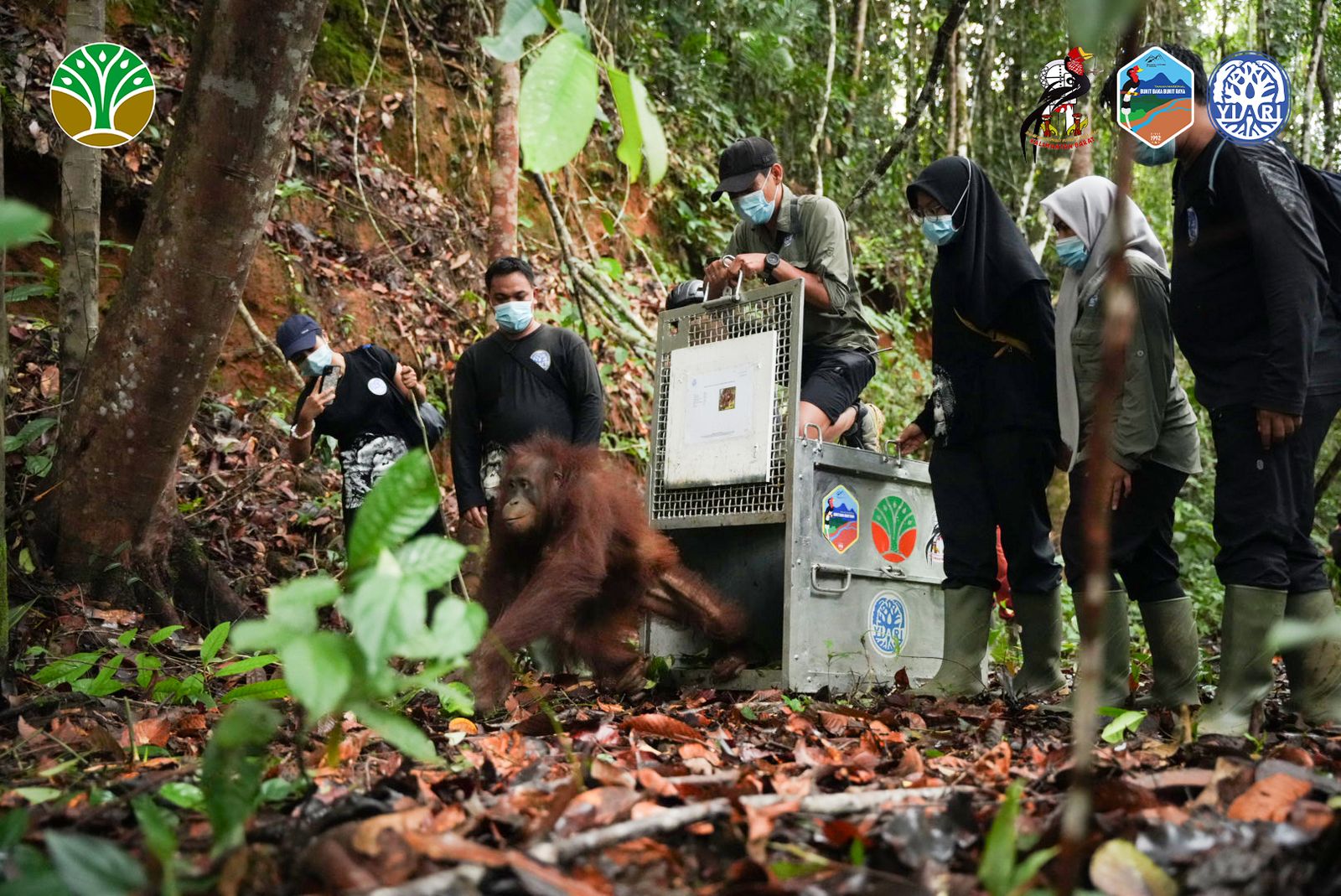
Three critically endangered orangutans have been successfully released into a national park in Borneo, Indonesia, after they were rescued from tragic circumstances.
In preparation for their release, Badul, Korwas, and Asoka have been learning how to survive in the wild at Yayasan Inisiasi Alam Rehabilitasi Indonesia (YIARI)’s Orangutan Rehabilitation Centre, with workers helping develop their foraging, ranging, and nest-building skills and rebuilding their wild nature, like encouraging them to stay away from people.
Badul, a male orangutan, was kept at a visitors' park, far removed from his wild forest life, and had to relearn these vital skills. This process took eight years but now he is deemed to have graduated from "forest school" and is ready to begin his life in the wild once more.
Asoka was only five months old at the time of his rescue. He was living with a family inside their house, who were feeding him condensed milk. When he arrived at the rehabilitation center, he needed intensive care to combat the effects of this poor diet but has managed to make a total recovery. Now, 10 years after he first arrived at the center, he has learnt the necessary skills to survive in the wild.
Korwas, a female, was rescued by police from the illegal wildlife trade. She arrived with a fungal skin infection but after treatment and demonstrating increasingly wild behaviors was deemed ready to return to the wild.
“Every orangutan we release has undergone strict and routine health examinations throughout the rehabilitation period. Badul, Korwas, and Asoka have demonstrated good physical condition, stable health, and behaviours that support successful survival in the wild,” explained YIARI’s Animal Management Manager, drh. Andini Nurillah, in a statement sent to IFLScience.
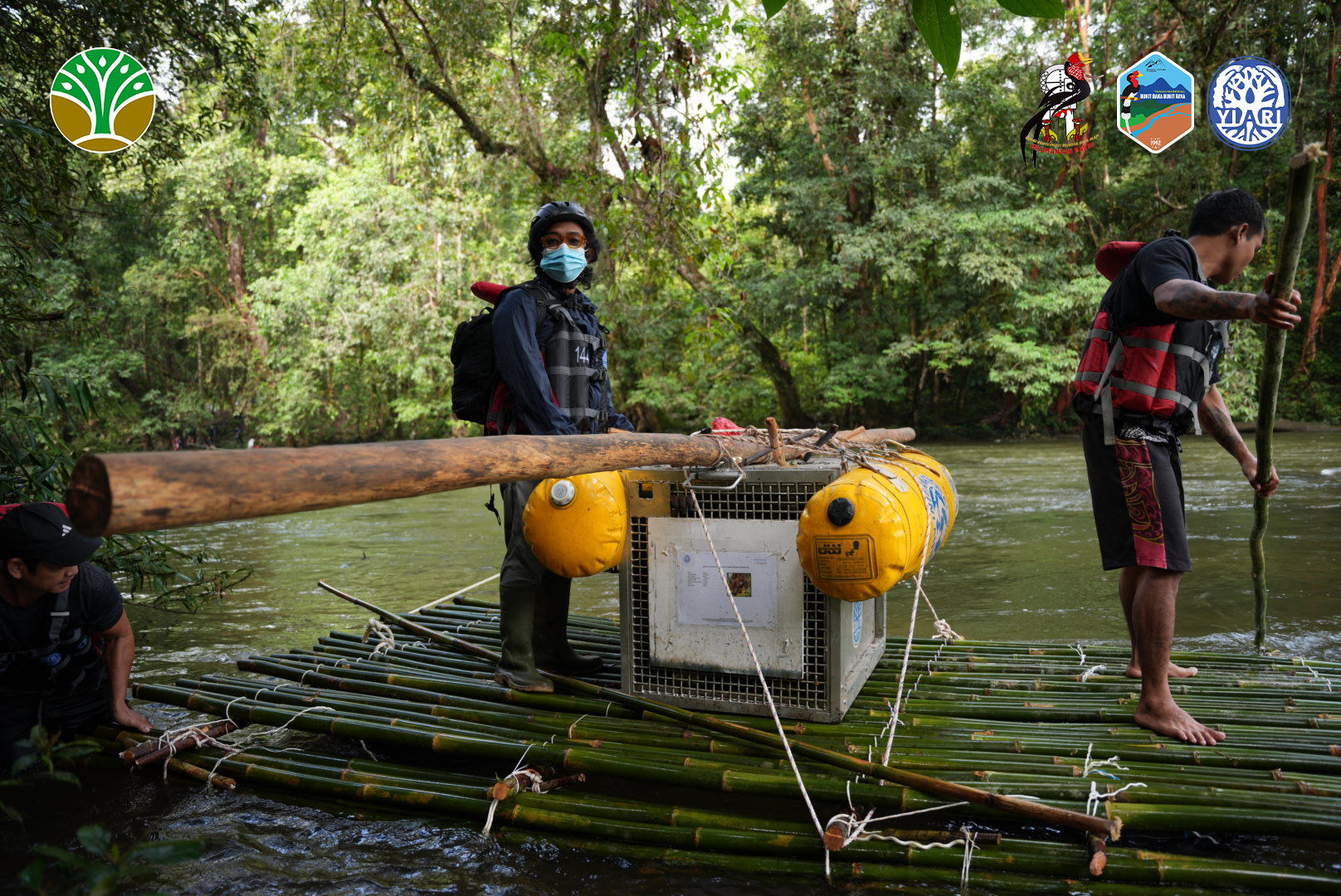
The trio, which are Bornean orangutans (Pongo pygmaeus), one of the three species of orangutan, underwent medical tests and microchipping before beginning the arduous three-day trek from the rehabilitation center to the chosen release site, the Bukit Baka Bukit Raya National Park. The local communities of the surrounding area were involved in the release, acting as cage porters for the animals.
Wild orangutans are listed as critically endangered by the IUCN, with threats such as illegal hunting, habitat loss and fragmentation, and even fires listed as the main threats to this species. Bukit Baka Bukit Raya National Park was chosen as the release site because it is routinely monitored through conservation patrols. The area has good forest cover, plentiful food, and little human pressure.
By adding the rescued orangutans into this environment, they will also help the health of the forest by creating gaps within the trees and spreading seeds. In turn, the population of orangutans in this area will hopefully be increased. Orangutans have a similar gestation period to humans and usually have just one offspring at a time; however, the young stay with the mother for 2-4 years, making them one of the slowest breeding mammals.

The team will continue to monitor the trio to ensure they are putting everything they learnt at forest school to good use in their new wild home.
“Every orangutan successfully returned to the forest is the result of a long process: rescue, rehabilitation, and routine care by dedicated teams. The release of these three orangutans is not only good news for YIARI but also for the future of Indonesia’s biodiversity,” said YIARI Chairman Silverius Oscar Unggul. “We deeply appreciate the support of BKSDA West Kalimantan, TNBBBR, and the surrounding communities who help ensure that forests remain safe homes for orangutans.”