Nature
 PUBLISHED


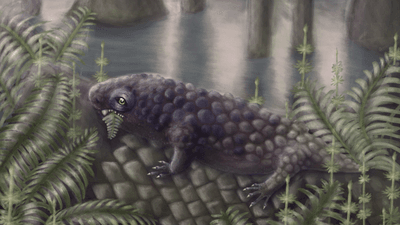


Meet Tyrannoroter heberti, the earliest known terrestrial vertebrate that evolved to eat plants. Described from a fossil that dates back 307 million years, it's become the first of its group to have its skull recreated in three dimensions, revealing changes to its tooth morphology that set the stage for eating veggies.
Life on land began in the oceans, but not with animals. Plants became terrestrial around 100 million years before vertebrates, and when they turned up they only ate other animals. Eventually, someone had to have the bright idea to start munching on greenery, but how did they make the switch?
Insectivory was likely a preadaptation for herbivory.
Arjan Mann
“Insectivory was likely a preadaptation for herbivory,” said co-lead author Arjan Mann, assistant curator of fossil fishes and early tetrapods at the Field Museum in Chicago, to IFLScience. “Tetrapods eating early herbivorous insects secondarily acquired the gut flora needed to process plant material because insects were the first to eat plants (evidenced from feeding damage on plant fossils).”
There’s a lot of talk about the microbiome today and how it can shape our health by assisting good digestion. Before vertebrates became plant-eaters, their microbiomes would’ve been adapted for digesting meat, but borrowing gut microbes from plant-eating insects may have been a key step that enabled them to start eating plants.
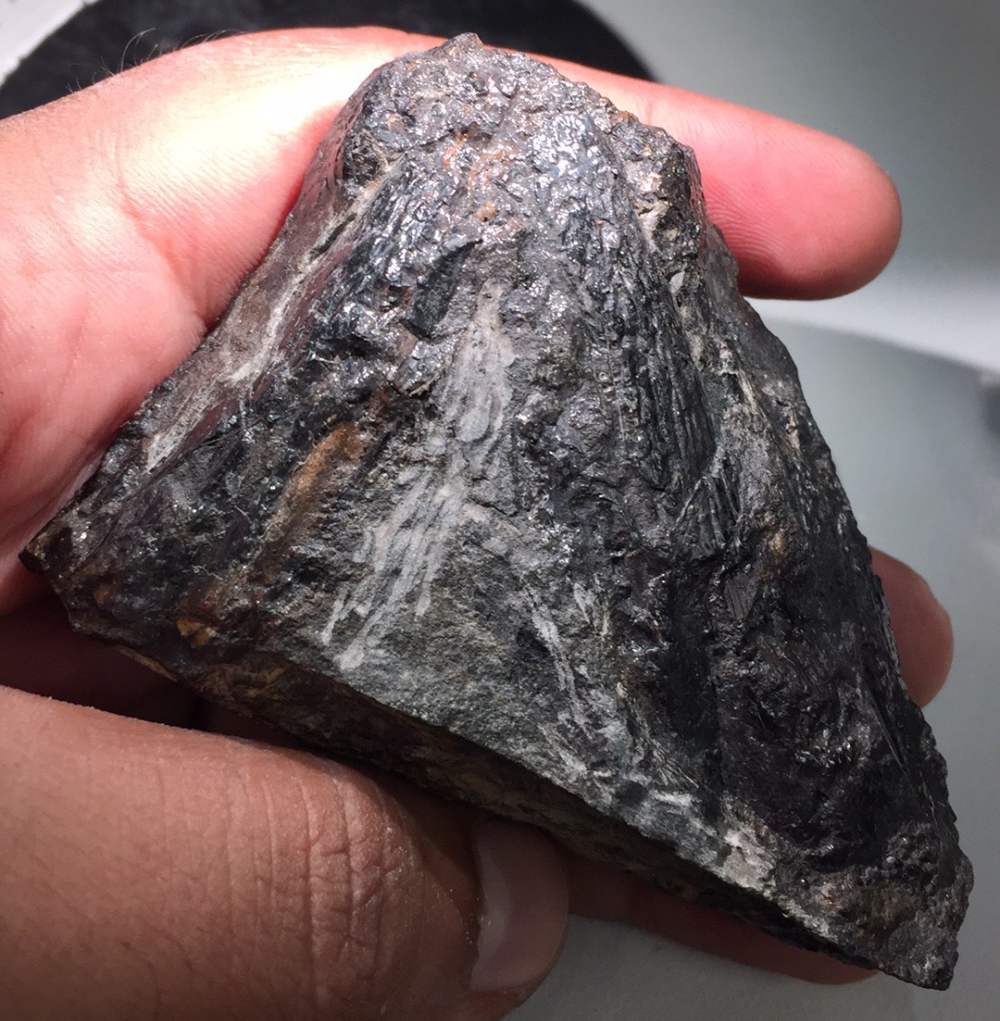
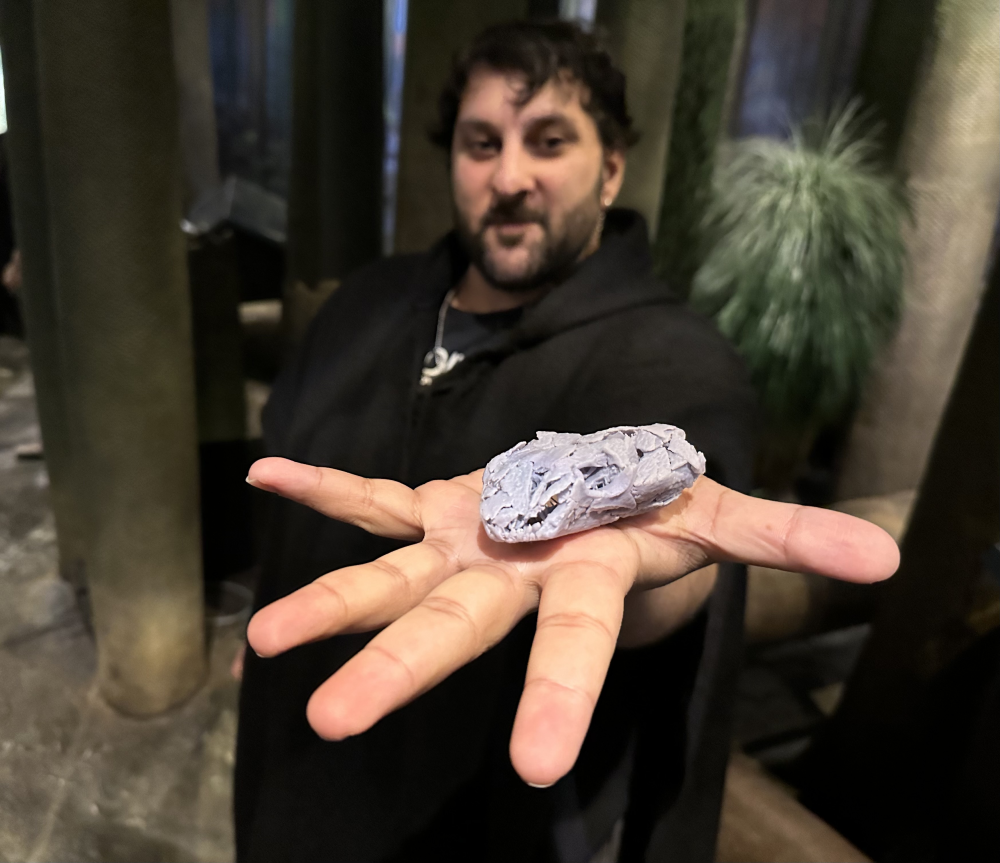
The Tyrannoroter specimen is 307 million years old and fossilized with its jaw shut, but Mann and colleagues were able to create a 3D reconstruction that enabled them to look inside its skull. This was achieved using CT scans to produce stackable X-ray images that could be generated into a 3D picture.
It revealed Tyrannoroter’s teeth shared similarities with insectivorous and arthropod-eating animals. Teeth made for chewing up tough beetles may have laid the groundwork for teeth capable of processing tough plant matter.
This paper reveals the earliest evidence of terrestrial herbivory in tetrapods, animals with four limbs – a group that includes humans.
Arjan Mann
Tyrannoroter’s mouth was also jam-packed with an additional set of teeth adapted for crushing and grinding food. Packing those teeth and a belly-full of helpful bacteria effectively laid the table for some of the planet’s earliest herbivores.
The discovery pushes back our understanding of the origins of herbivory – a dietary preference that was previously thought to be unique to amniotes. Now that we know Tyrannoroter – a tetrapod “microsaur” – was into its veggies, it opens up new and curious questions about tetrapod herbivory and how it shaped the ancient environment.
“This paper reveals the earliest evidence of terrestrial herbivory in tetrapods, animals with four limbs – a group that includes humans,” said Mann. “The age of the fossils presented in this paper, not just Tyrannoroter (~307 Ma), but also older fossils from Joggins, Nova Scotia (318 Ma) indicate herbivory was rapidly acquired in tetrapods, very shortly after the permanent colonization of land.”
“This is highly important because it means that the essential components of the terrestrial ecosystems we recognize today – as herbivore dominated – have been around and maintained since the Carboniferous period, reinventing themselves during each climate and extinction event.”
The study is published in the journal Nature Ecology & Evolution.
Correction 10/2/26: The title originally suggested that Tyrannoroter heberti was the oldest known vertebrate herbivore; following a conversation with the researchers, this has been amended to reflect the fact there are other examples of plant-eaters around the same time in the fossil record.