Nature
 PUBLISHED




If you're asked to think about the world's oldest forest, what comes to mind? The Amazon? India's ancient forests with their living bridges? Australia's Daintree forest (which is actually the world's oldest rainforest)? Maybe you confidently put forward the slightly unexpected but strong contender, a quarry in New York State? Turns out it's actually in the southwest of England. At 390 million years old, a bunch of fossilized trees on the other side of the Atlantic has supplanted the US’s record by several million years.
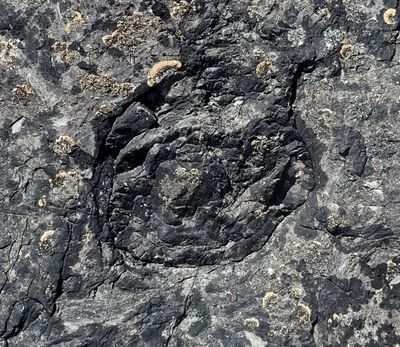
Prior to the 2024 discovery, the oldest forest on Earth was believed to be 386 million years old and found in Cairo, New York state. But the fossilized trees nestled within the Hangman Sandstone Formation on the coast of Somerset and Devon, in southwest England, are even older than that.
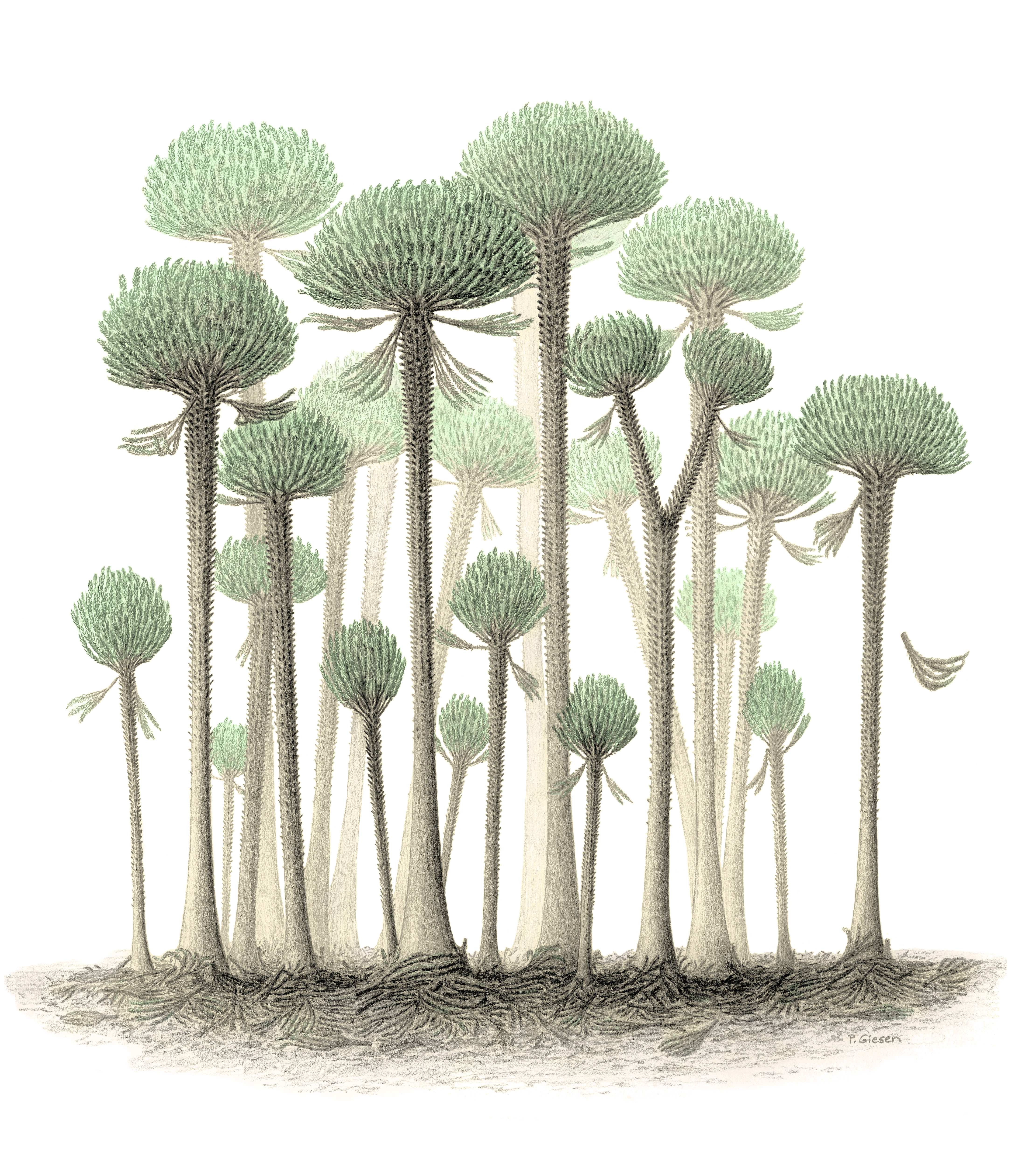
The formation, which dates to the Middle Devonian Period (393 million to 383 million years ago), was previously thought to contain only rare plant fossils, but researchers from the Universities of Cambridge and Cardiff showed it to be far more abundant, including standing plant fossils and cladoxylopsids – an extinct group of plants related to ferns and sphenopsids (horsetails).
Their published paper presented the earliest fossil evidence for such trees in Britain, as well as the oldest evidence of a fossil forest anywhere in the world. Cladoxylopsids stood at around 2 to 4 meters (6.5 and 13 feet) high, meaning the forest may have been on the slightly shorter side, but what the trees lack in size, they make up for in age.
“When I first saw pictures of the tree trunks, I immediately knew what they were, based on 30 years of studying this type of tree worldwide,” said co-author Dr Christopher Berry from Cardiff’s School of Earth and Environmental Sciences, who was also involved in the US fossil forest discovery, at the time.
As well as ample fossil evidence of the cladoxylopsid tree Calamophyton, the researchers found traces of other Middle Devonian flora and even signs of some ancient critters in the form of trackways.
What’s more, the sediment that the primitive plants were found in can shed some light on the impacts of the very earliest forests.
“The Hangman Sandstone Formation is illustrative of the revolutionary power of cladoxylopsid trees as biogeomorphic agents, forming densely spaced forests and shedding exceptionally abundant plant debris, whilst also impacting local landforms and sediment accumulations and profoundly changing landform resilience against flood disturbance events,” the study authors write.
As such, they suggest that some 390 million years ago “mark[ed] the onset of tree-driven changes to physical environments that would forever change Earth’s non-marine landscapes and biosphere.” In other words, forests really started to take off.

“The evidence contained in these fossils preserves a key stage in Earth’s development, when rivers started to operate in a fundamentally different way than they had before, becoming the great erosive force they are today,” said first author Professor Neil Davies from Cambridge’s Department of Earth Sciences.
This may be the oldest known fossil forest, but the oldest known living tree is significantly younger. At just 5,400 years old, it’s practically a sapling compared to the cladoxylopsids of the Hangman Sandstone Formation. But both pale in comparison with sharks, which, at 450 million years young, are so old they’ve been around the galaxy twice.
An earlier version of this article was published in 2024.


 1
1