Nature
 PUBLISHED


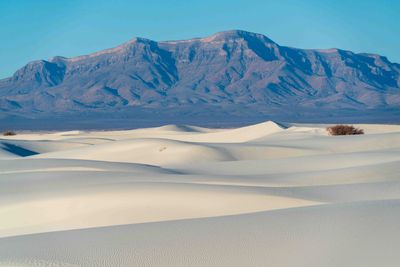


If you’re hoping to explore a whole bunch of different landscapes in just one state, look no further than New Mexico. It might not have a coastline, but it’s got deserts, mountains, and even a bunch of caves that could hold the secret to alien life. Perhaps one of the most famous of all, however, is the bright white dune field of White Sands National Park – but are the dunes actually made of sand?
If your idea of sand is the stuff you find at the beach, then the answer is “no”. That kind of sand – and in fact, the vast majority of sand found on the planet – is made of quartz, a silicon dioxide or silica-based mineral found in rocks like granite. Over time, geological forces wear these rocks down, and eventually you end up with teeny tiny pieces of quartz sand.
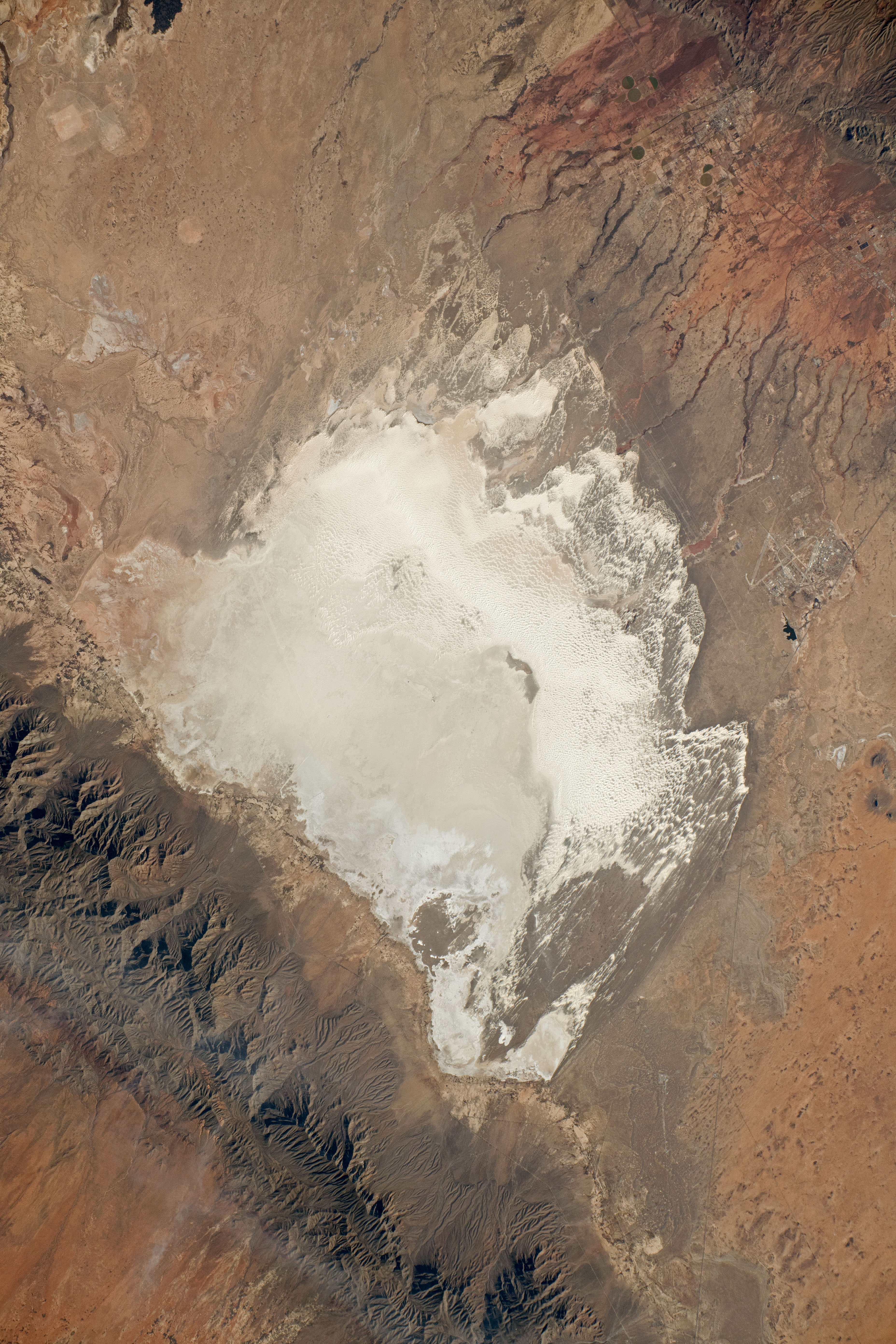
The dunes at White Sands National Park, on the other hand, are 98 percent pure gypsum; in fact, they make up the largest gypsum dune field in the world, spanning around 712 square kilometers (275 square miles). A sulfate-based mineral, gypsum is much softer than quartz and provides the vast stretch of dunes with their stunningly white color.
So, whoever named the park should’ve been fired, right? Not so fast. First, White Sands was designated as a National Monument by President Herbert Hoover in 1933, after a campaign spearheaded by local businessman Tom Charles. Both are very much dead, and you can’t exactly fire someone from beyond the grave. President Trump was the one who turned the dunes into a National Park in 2019, but it’s hard to see this as something capable of unseating him.
And second – remember when we said that quartz accounts for the majority of sand? From that, you could assume that other stuff can be sand too, and you’d be correct. According to science, sand can actually be composed of any mineral; it’s the size of it that matters.
In order to be considered sand, pieces of a mineral need to be between 0.065 to 2 millimeters in diameter, that upper bound being just a touch thicker than a US nickel. In that case, the glistening gypsum landscape of White Sands National Park is definitely appropriately named – despite what some Google reviewers might say.
It’s also impressive that the dune field is even there in the first place; gypsum sand is rare, and dunes of it are rarer still. That’s because gypsum dissolves in water. The good news is that it can also evaporate back out again in the form of selenite crystals, and the optimal weather conditions at White Sands National Park allow for just that.
This process occurs at Lake Lucero, a dry lakebed within the park that only fills up every 10 to 14 years, when rainfall and snowmelt from nearby mountains washes down gypsum-containing water. The lake water evaporates over time, leaving behind selenite crystals that are gradually broken down into fine grains of gypsum sand, piled up into the famous dunes by wind.