Nature
 PUBLISHED
 1
1



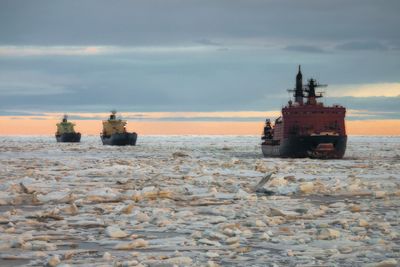


To navigate the rapidly changing world, China is hoping to send a regular stream of cargo ships to Europe via the icy Northeast Passage, up and across the Arctic coastline of Russia. It's not hard to see why it's toying with this treacherous route, but the journey is far from risk-free.
A Chinese shipping carrier made a trial transit in 2025, departing from Ningbo-Zhoushan Port in east China, the busiest port in the world, in September and arriving at the UK port of Felixstowe in October, according to state news agency Xinhua.
The "Ice Silk Road"
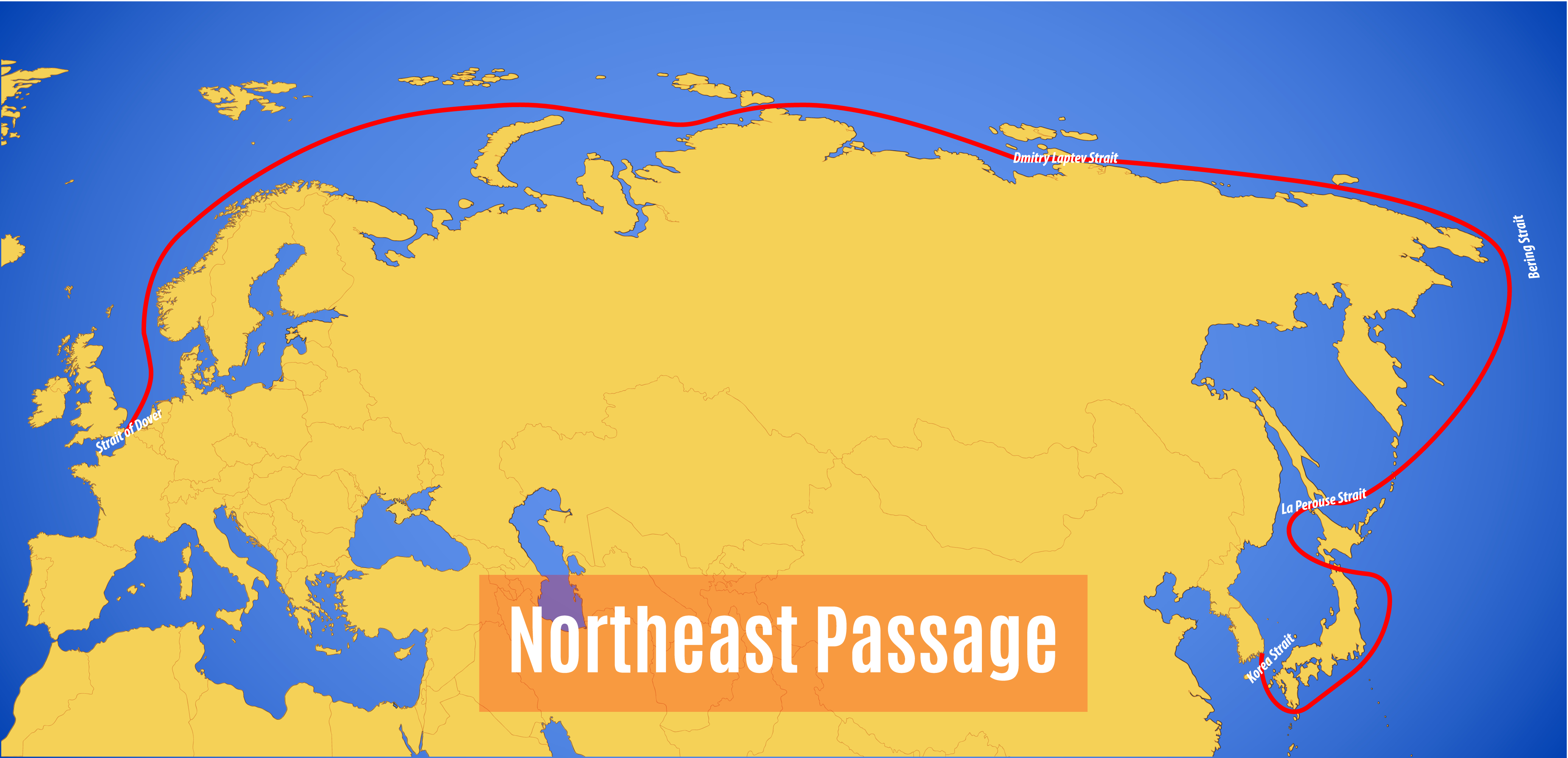
Dubbed the “Ice Silk Road," the route sees cargo ships leave China’s coast and head north, pass through the Bering Strait between Russia and Alaska, then cruise along the risky Arctic coast of Russia. The ships can then drift down through the Norwegian Sea into the North Sea, where they will connect with major parts of Europe.
The journey reportedly took around 25 days, significantly less time than the southern routes that either go through the Suez Canal, which takes around 40 days, or around the Cape of Good Hope in South Africa, which takes over 50 days.
Rosatom, Russia’s state-owned nuclear company, is the agency responsible for issuing permits to pass through the Moscow-controlled Northeast Passage, as well as providing the nuclear-powered icebreakers needed to accompany most vessels through the route.
The number of issued permits has increased in the past couple of years, and the company is now offering a “full-fledged liner service” as the “next step” in developing regular, seasonal shipping routes across the Arctic region, according to CNN.
Chinese shipping company Sea Legend Line is set to become one of the leading customers of the Russian permits and will be the first regular container service using the Arctic route.
Why the route used to be avoided
There are good reasons why the Northeast Passage is typically avoided if other routes are available. Most obviously, it's cold and an incredibly harsh environment for people to work in. The ever-changing sea ice is also extremely dangerous to navigate, even with the guidance of vast icebreaker ships.
If the worst does occur, search-and-rescue operations are intensely tricky given the lack of emergency infrastructure in the far-flung, inhospitable region. You really, really don't want to get shipwrecked here.
But there are also a bunch of reasons for a flurry of renewed interest in the Northeast Passage, despite its perilous pitfalls.
A route for a changing planet
For one, recent incidents around the Strait of Hormuz have highlighted the complications of relying on other nations to keep vital waterways open.
A huge amount of the world's oil and liquefied natural gas once passed through the Iranian-controlled strait. After the US and Israel launched an air war against Iran in February 2026, the country shut it down, causing prices to surge.
China has managed to avoid a domestic fuel crisis, but it's been an annoyance the country wishes to avoid in the future.
The Suez Canal has the potential to cause similar upsets in the increasingly uncertain world ahead. Located in Egypt, this artificial waterway is a major shipping route between Europe and Asia, but it can become blocked, as the world saw in 2021, or totally shut down due to geopolitical tensions, which happened for a staggering eight years between 1967 and 1975.
Secondly, the Arctic region has become a flashpoint in geopolitical power competition, with the US, Russia, and China vying for access to its strategic shipping corridors, as well as its untapped resources and security interests.
The Bellona Environmental Transparency Center claims the Northern Sea Route is being transformed into an “illicit corridor” for the Russian dark fleet, used by dozens of oil tankers and cargo vessels to dodge Western sanctions and price caps.
The Norwegian NGO has previously warned that increasing shipping and industrial activity along Russia's Arctic Coast threatens to introduce more pollutants and environmental disruption into the fragile region.
Finally, climate change is rapidly warming the Arctic and thinning its sea ice, extending the window in which the corridor is passable by ship for more of the year.
It’s something a grim irony that the burning of fossil fuels helped drive that warming in the first place, and now the melting is opening the route for more oil tankers to pass through.